After the midterm elections, a resurgent Democratic party is likely to use its new oversight powers to peel back the Trump administration’s layers of self-dealing. “Winter is coming,” a prominent Washington corporate lobbyist told me this week.
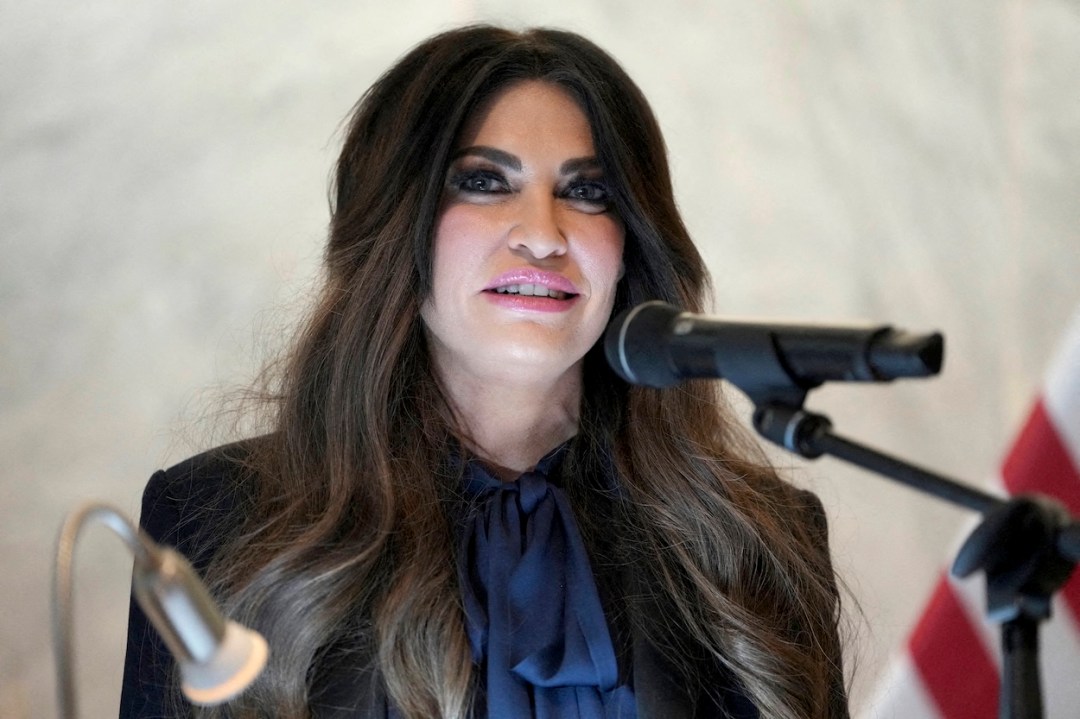
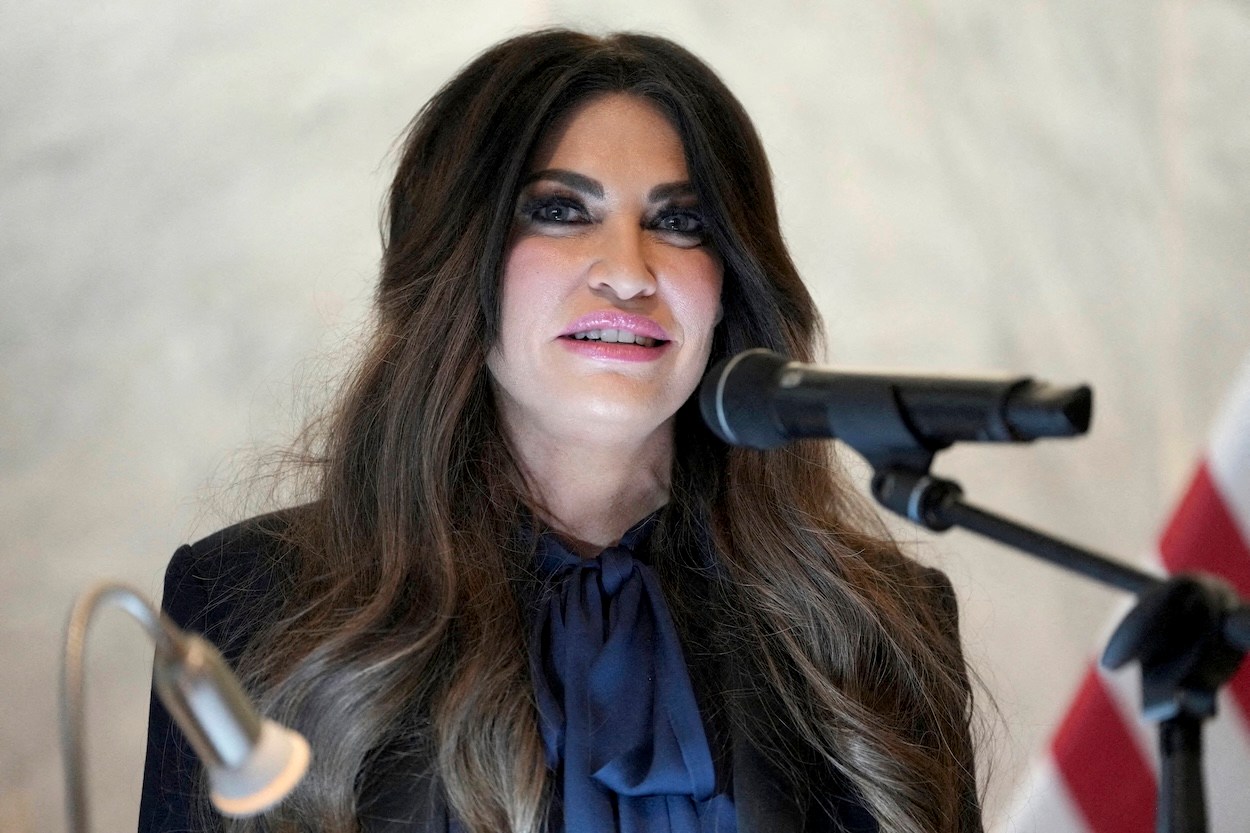
The lobbyist thinks the firing of Kimberly Guilfoyle as ambassador to Greece represents one of the rare times the administration’s corruption problems have broken through to average Americans. Guilfoyle had texted a donor asking him to pay off her $100,000 Amex bill, according to the Wall Street Journal. “Honey please,” was the rather pathetic plea that accompanied the request. “Voters have become numb to untrustworthy politicians, but Guilfoyle’s games have let them see just how Washington’s swamp culture works,” the lobbyist concludes.
Guilfoyle’s demands for ‘speaking fees’ are legendary in Washington
Guilfoyle is just the latest in a bizarre cast of Trump appointees who ostensibly came to Washington to drain the town’s swamp but have instead decided that it is actually a wonderful pool of influence peddling.
Eric Deters, a GOP donor from Kentucky, told the WSJ that Guilfoyle, who until 2024 was Donald Trump Jr.’s fiancée, repeatedly pressured him to send the cash before her confirmation hearing as ambassador last year. Deters had previously funneled hundreds of thousands of dollars to her for speaking fees. He said the $100,000 request was a “quid pro quo” deal for political favors. These favors included meetings with several senior Trump administration officials, an introduction to MAGA music star Kid Rock, and help with “personal tax and legal issues.” Deters declined to fork over the $100,000 because Guilfoyle had reneged on her previous promises.
Deters now plans to sue Guilfoyle after her lawyers said that the text messages he gave the Journal were AI generated. He claims Guilfoyle’s lawyers have defamed him by calling him “a known blackmailer.” As she packs her bags to leave the US Embassy in Athens, Guilfoyle claims the money she was trying to collect from Deters represented unpaid fees for speaking engagements.
Guilfoyle’s demands for “speaking fees” are legendary in Washington. In January 2021 she was paid $60,000 for a 166-second speech (that’s $361 a second) in which she introduced her then-fiancé, Donald Trump Jr., at the “Stop the Steal” rally before the infamous storming of the US Capitol. She insisted the speaking fee be paid in advance and claimed the $60,000 was a substantial discount from her normal rates. In texts to Trump campaign deputy Caroline Wren, she wrote: “You will pay us that’s the deal so don’t even think about it” and “You will send the funds as promised.”
A former ambassador appointed by Trump in his first term says that Guilfoyle’s 11-month tenure as US envoy to Greece was an embarrassment from the get-go. She often promoted private business interests in the Balkans with a Greek energy lobbyist named Christos Marafatsos sitting in on the meetings. “In diplomatic circles, the two of them were compared to the cartoon characters Boris and Natasha,” the former ambassador told me, referring to the bumbling, overbearing villain team depicted in the animated 1960s series Rocky and Bullwinkle.

While discussing the impending collapse of Romania’s government during a dinner with Greek officials in Athens this March, Guilfoyle reportedly said that “We can do that to any country we want. We can do that here.” Greek Energy Minister Stavros Papastavrou pushed back that the US could not replace a government elected by the Greek people. Guilfoyle’s lawyers say the conversation has been mischaracterized.
Guilfoyle’s grift is just the latest example of mercenary behavior by Trump officials. Take Commerce Secretary Howard Lutnick, whose former investment firm, Cantor Fitzgerald, is now led by his two adult sons and has benefited from several of the energy deals Commerce has struck. Democratic members of Congress promise that Lutnick will play a prominent role in oversight hearings they are planning.
Democrats are not exactly blameless. Many of those who once dismissed allegations of self-enrichment by Joe and Hunter Biden are rushing to make the midterm elections about corruption. There is some evidence that argument is breaking through. A new Associated Press poll from late September finds that six in ten US adults believe President Trump is either illegally profiting from his office or doing something unethical but not illegal. Only about two in ten think Trump is doing nothing wrong, while about the same number say they don’t know enough to have an opinion. Just over half of Americans say Trump has prioritized his personal financial interests “a lot” since returning to the White House. Only about one in ten voters think he’s focused “a lot” on people like them.
Trump reportedly believes that stories about conflicts of interest aren’t a political danger. At the beginning of his second term he dismissed complaints that he was lifting a self-imposed ban on his family striking private-sector deals overseas. A June financial disclosure statement revealed that Trump has earned more than $1 billion from his crypto ventures since he returned to office.
“Because I found out that nobody cared,” Trump told the New York Times. “I let my kids, you know, do business. I prohibited them from doing business in my first term, and I got absolutely no credit for it. I didn’t have to do that. And it’s really unfair to them… and also, I saw the things that went on with Biden. It was so ridiculous when I looked at the corruption and all of the things. And, you know, I have a very honest family.”
If they take control of one or both houses of Congress next month, Democrats promise to test that assertion by issuing subpoenas for a wide array of Trump family members and officials to testify before Congress next year. How will Team Trump respond? A former official in Trump’s White House predicts there will be an epic battle testing the ability of Congress to ride herd on the Executive Branch. “Howard Lutnick, the Trump sons and others will simply refuse to show up to testify,” he told me. “They are betting that Congress is ultimately toothless.”
He noted that in 2012, the GOP-controlled House held Obama attorney general Eric Holder in contempt of Congress. Holder had refused to produce documents for an investigation into a Justice Department program that allowed weapons to be sold to Mexican cartels. Almost all House Republicans voted for the criminal contempt referral along with 17 Democrats. But the Justice Department refused to prosecute Holder. A civil case seeking the documents went nowhere.
As for Trump, he knows he holds the ultimate card in any standoff with Congress. In April 2026, the Wall Street Journal reported that President Trump has repeatedly promised top administration officials pardons before he leaves office. “I’ll pardon everyone who has come within 200 ft of the Oval,” he told staffers with concerns about potential investigations. He also floated the idea of announcing mass pardons before leaving office, noting how President Biden pardoned Anthony Fauci and six of his own family’s members, including his son Hunter.
The White House responded to the Journal article by dismissing the “200 ft” comment – “The Wall Street Journal should learn to take a joke.” But it also emphasized that Trump’s pardon power is absolute and cannot be contested.
Winter may indeed be coming for Republicans in the election next month. They could lose control of both houses of Congress and then feel compelled to deflect all manner of scandals during oversight hearings next year. But when it comes to Trump family members and close White House aides, the climate will not be nearly as harsh. They are counting on the warmth of the pardon power to insulate them from accountability for their actions.





Comments