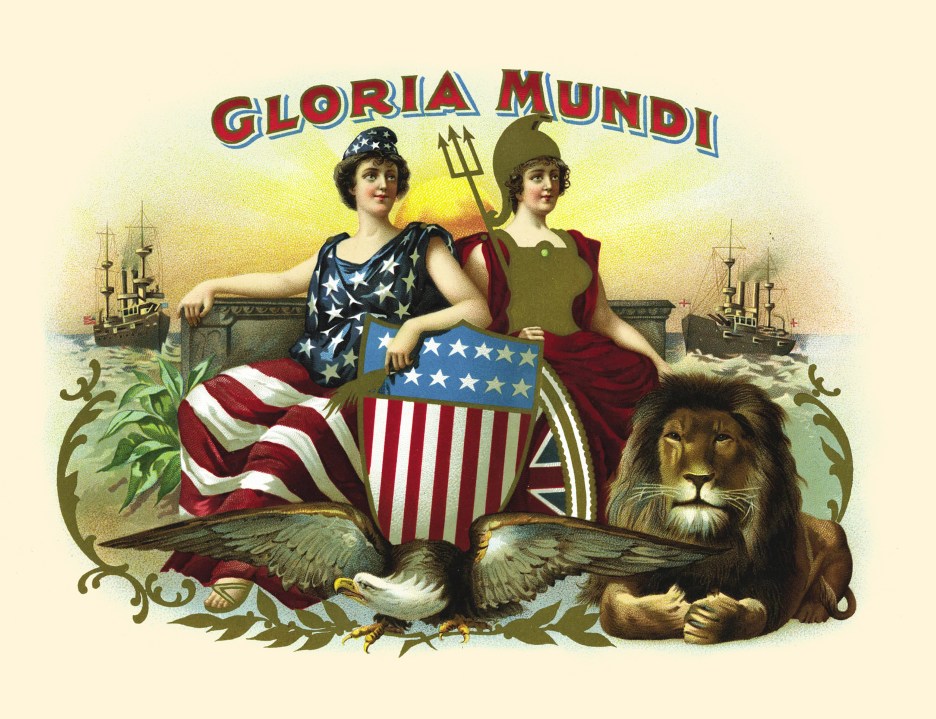


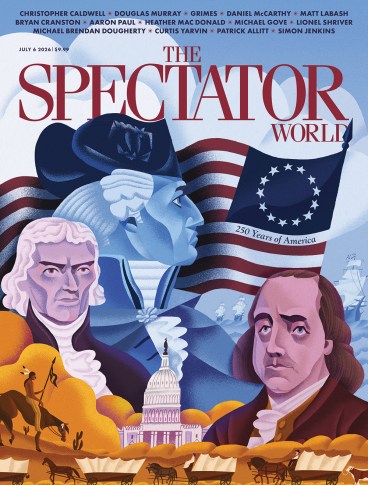
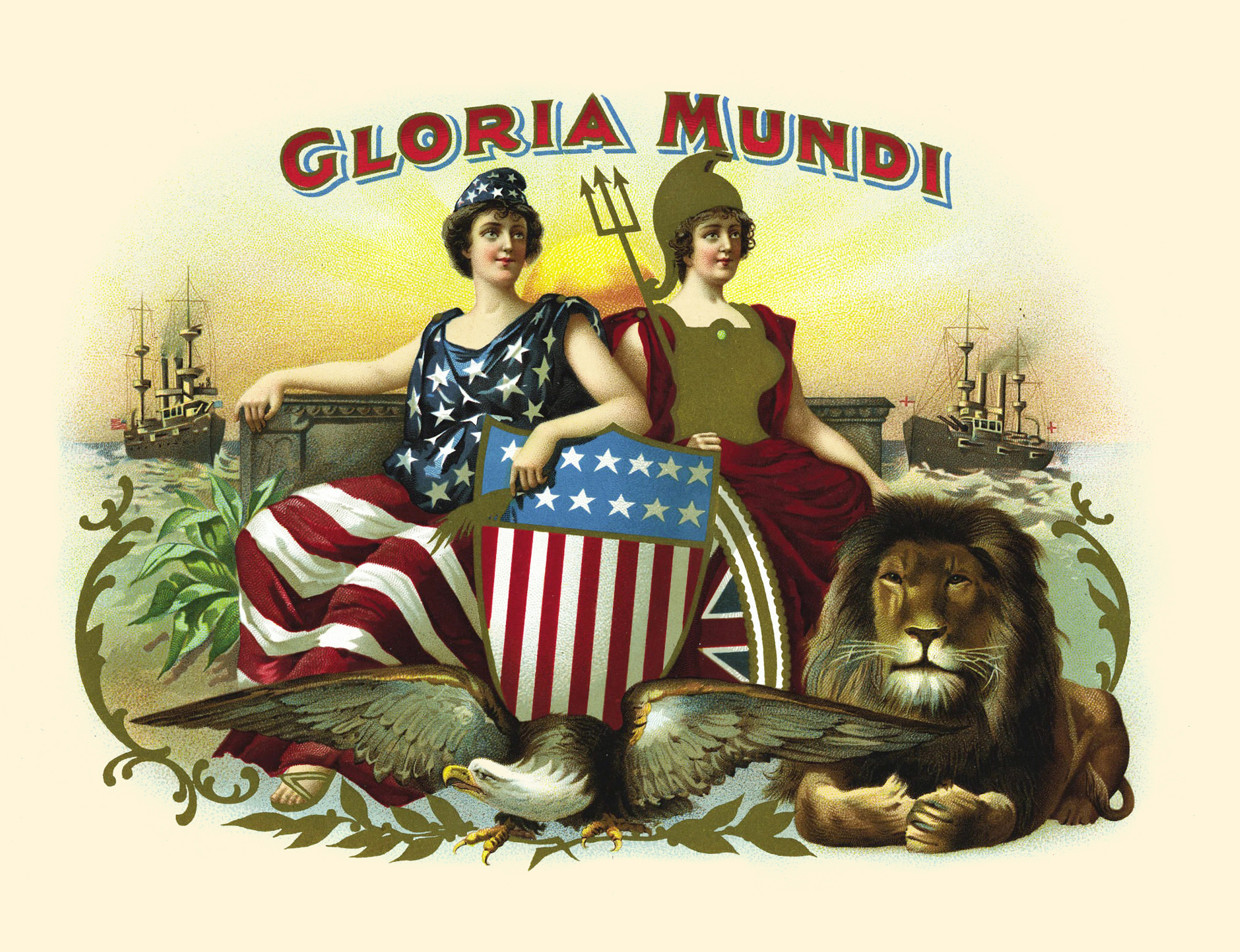
Being in Britain around the Fourth of July is always an odd experience for an American. It was especially awkward to be at the Alliance for Responsible Citizenship in London a week before the 250th anniversary of US independence.
ARC is a British organization whose massive annual conference – about 4,000 people this year – is styled as a kind of counter-Davos, an international gathering of center-right types including a heavy representation of Americans. Given the timing, various speeches by gracious British hosts praising their American guests’ homeland – and by Americans themselves praising the principles of their revolution against the British two and a half centuries ago – were to be expected. But that didn’t diminish the cognitive dissonance. Quite the contrary: it was conspicuously discordant to hear Americans speak of British tyranny and how our revolution introduced the world to real freedom for the first time, while English aristocrats politely alluded to the Magna Carta and Anglican theologians tried to shame Americans into embracing internationalism.
The point of a creed is to distinguish the orthodox from the heterodox – the saved from the damned
There’s a contradiction within what publicists nowadays call America’s “creedal nationalism” school of thought – which subscribes to the notion that America is, at heart, a revolutionary idea, not a people in a particular place. On the one hand, taken seriously, creedal nationalism is an indictment of the principles, or lack thereof, of every nation that isn’t founded on the philosophy of our Declaration of Independence. Yet creedal nationalists are also the Americans who are most likely to be internationalists rather than “America Firsters” – they are devoted to NATO and hostile to Donald Trump’s nationalism. Hence Europeans who want more American resources devoted to Europe’s defense have to smile as appreciatively as they can while they’re lectured about how the Declaration of Independence is right and their systems of government are simply wrong.
The circle isn’t easily squared. America’s ideals can’t be so special if other nations that aren’t based on them can have a similar experience of liberty and self-government. Yet the British didn’t need a document claiming that “all men are created equal” to attain a degree of freedom and representative government that was long the envy of the world. With a king, an aristocracy, and an established church, Britain did about as well as America – some may even say better – in providing for democracy and civil liberty over the past 250 years. But to allow that to be so would be to abandon “American exceptionalism.” And for creedal nationalists that would mean conceding that America actually is a specific people and land and that it could be right to prioritize preserving them both.
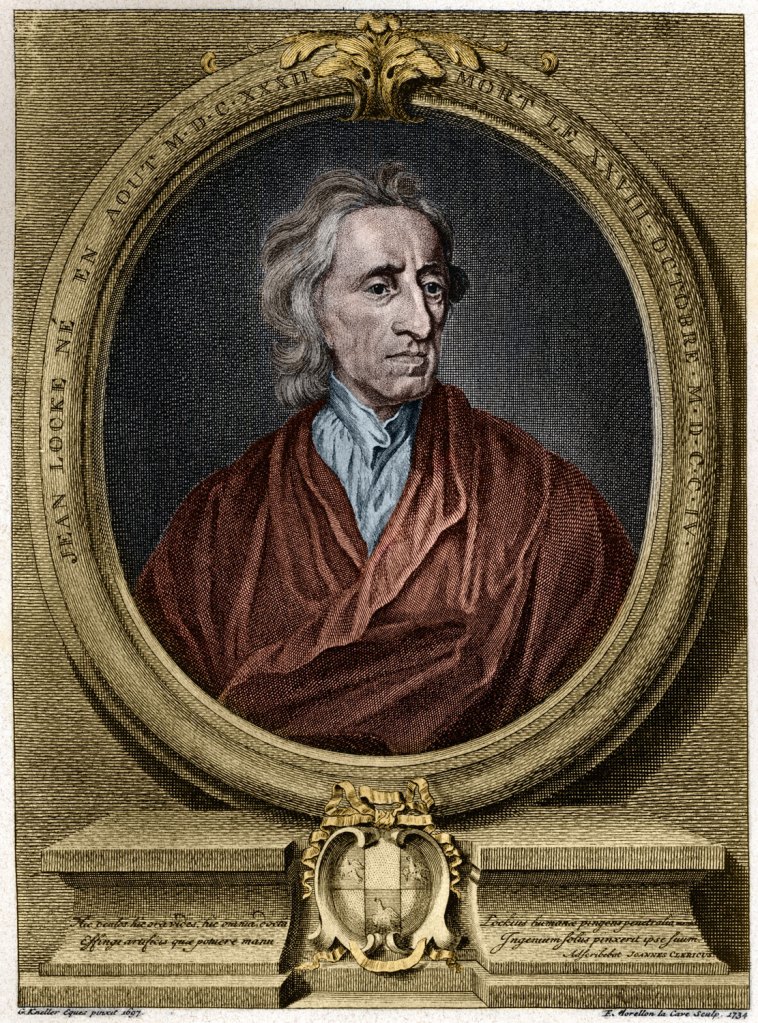
The fact that the philosophy of John Locke, the source for the Declaration of Independence’s operational concepts, does accept that natural equality can legitimize artificial inequalities, including those of a monarchy, is of little help today. Creedal nationalists insist the American creed is republican, although a careful reading of the Declaration will reveal it makes generous allowances even for George III, with whom a break only became necessary as a result of a “long train of abuses and usurpations.” A pragmatist can accept governments of different constitutional principles based on their behavior in a given context; an idealist, who insists regimes are matters of intrinsic right or wrong, can’t be so flexible. The point of a creed is to distinguish the orthodox from the heterodox – the saved from the damned. Compromise a creed and you’re outside the faith.
Early on, the forerunners of the people who came to think of themselves as liberals thought creedal commitments were dangerous in politics and needed to be diluted. They had in mind Christian commitments, and their descendants today still have a fear of explicitly Christian political thought – they seem to believe Patrick J. Deneen is an instant away from bringing back the Spanish Inquisition. I was struck by how Adrian Wooldridge, speaking in April at the American Enterprise Institute on his book The Revolutionary Center, seemed to channel the spirits of Voltaire and J.S. Mill in assailing Christian faith-based politics. Yet secular liberalism is now itself creedal, with all the dogma, intolerance and fear of the unbeliever that Voltaire detected in Christianity. An atheist or agnostic creed still demands conformity – and maybe all the more conformity for having no higher personal authority that can overrule dogma defined as impersonal reason.
We Americans should be proud of the ideals that guided our war of independence and the creation of our republic. We don’t have to mistake those ideals for a religion, however. They were political principles invoked by a people with a strong understanding of itself – a people who had been fighting for more than a year for the localized self-government that they had known for generations before July 4, 1776. The Declaration of Independence is a fulfillment of a long tradition, even as it promises greater achievements to come. We can be grateful for our British inheritance of liberty under law and self-government, which advanced for centuries – not without setbacks – under Britain’s monarchy, and continued to gain ground in Britain under a constitution unlike our own. We can appreciate that, while also recognizing how our contentious republican character has made us singularly capable of prevailing in the conflicts on which the survival of freedom depends. Those conflicts aren’t always military – and not every military conflict rises to that level. Having proclaimed our independence 250 years ago, we remain independent today, free to judge our interests in the world and within our own borders, and not bound to any self-credentialed theologian’s interpretation of a secular creed.






Comments