American

Who’s the most underrated American?

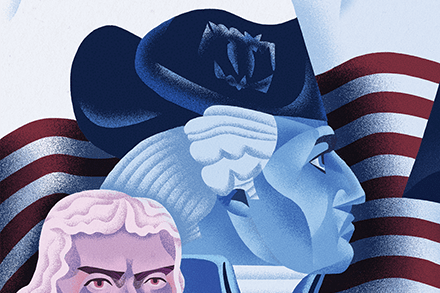
Bill Kauffman Luther Martin: a voluble and drunken Maryland attorney who walked out of the Constitutional Convention of 1787 after warning his fellow delegates that their handiwork provided the framework for a centralized and militaristic empire that would efface regional distinctions and erode the liberties for which American patriots had fought and bled a decade earlier. An unheeded prophet who breathed the Spirit of ’76. Lionel Shriver Edith Wharton. Hardly unrecognized, but under-taught and too little familiar to the international literary readership (e.g., in Britain). A spectacular stylist, she wrote novels that still sound modern and perfectly accessible 100 years later – and she was a real feminist before the days the word meant humorless pill.

American
england

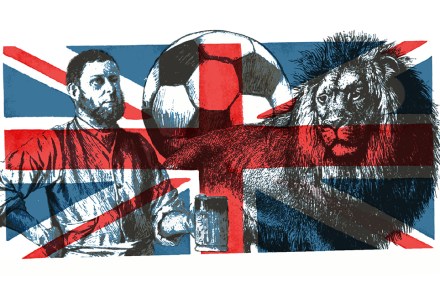
America is still an English country

Americans have been enjoined, as we approach our country’s 250th anniversary, to be a bit more grateful. Good advice. It is not just the freedom of speech and the purple mountains’ majesties we should be taking stock of. It is also our knack, in recent decades, for miseducating ourselves, failing to read the signs of the times, making wrong choices – and then profiting from the fallout. In the global financial crisis that ran for a decade after 2008, blunders in American financial engineering, from complex derivatives to mortgage-backed securities, bankrupted debtor countries and cost several others their sovereignty, most notoriously Greece.

The Sun Also Rises is still a great American novel

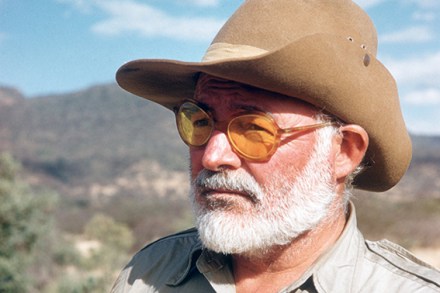
To pinpoint the precise moment Ernest Hemingway came up with the idea for his first novel, The Sun Also Rises, which is celebrating its centenary this year, is not difficult. All we have to do is follow the trail back to Pamplona. In 1925, after a cold winter in Paris, a 25-year-old Hemingway was keen to return to the San Fermín bullfighting festival in the Basque town of Pamplona, near the northern coast of Spain. He had yet to make his mark as a writer, although he was surrounded by some of the heavyweights of expatriate literature: Ezra Pound, F. Scott Fitzgerald, Gertrude Stein and Ford Madox Ford, all of whom believed Hem had a future as a novelist.

Barbecue is America’s food

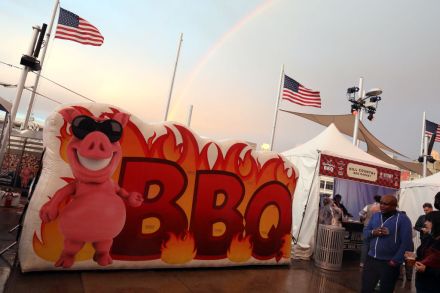
Summer is fading fast, and though, according to my calendar, “the Autumnal Equinox” (is that the newest model of Hyundai?) isn’t until September 22, all the things we love about the season — swimming, county fairs, outdoor drinking, the August congressional recess — are essentially over after this weekend. And while people mark Labor Day in different ways, one of the best is with a barbecue, one of the few culinary traditions America can truly call its own. Smithsonian Magazine tells us barbecue has its origins in the first indigenous tribes Christopher Columbus encountered, who had a “unique method for cooking meat over an indirect flame, created using green wood to keep the food (and wood) from burning.