Tuesday evening saw the second polling upset in as many weeks in the Midwest. In Wisconsin’s Democratic gubernatorial primary, David Crowley beat democratic socialist Francesca Hong by half a percentage point. It was a margin that bore almost no relationship to the polling which had Hong ahead by an average of 20 points.
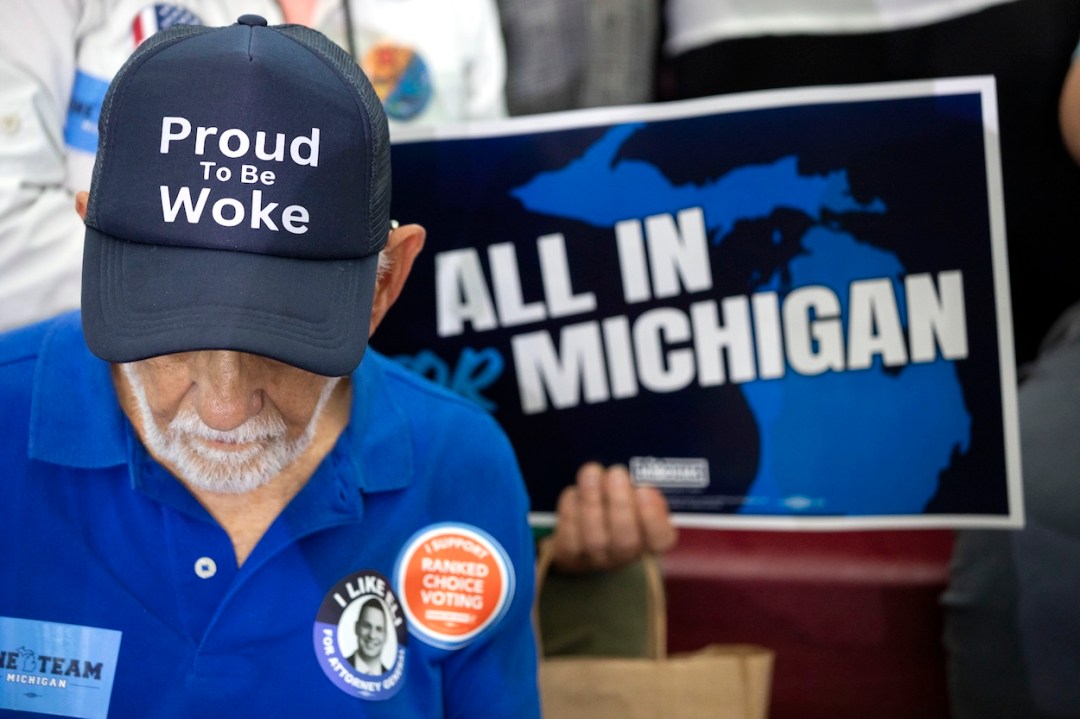
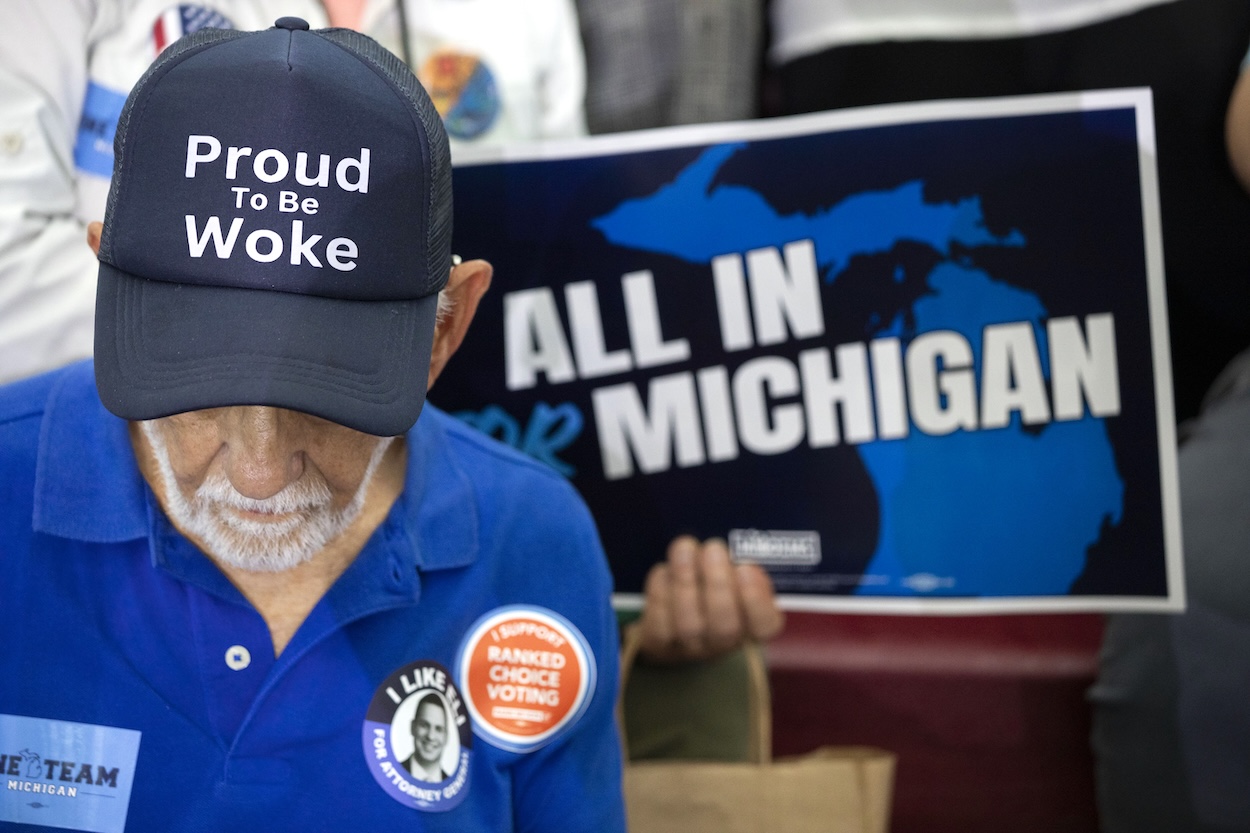
A week earlier, Michigan told the same story: though extreme left candidate Abdul El-Sayed won the Democratic Senate primary by 48.5 percent to Haley Stevens’s 47.5 percent, his one-point margin was significantly less than the ten-point margin the polling average had it at. Across the country, socialist candidates are finding – at the primaries stage – that they are not the slam-dunk choice of the Democratic party grassroots.
Polls missed – or even deliberately excluded – older, low-income and rural voters
The most plausible explanation for both polling misses is that the polling samples were surveying the wrong people. Polls missed – or even deliberately excluded – older, low-income and rural voters who pay less attention to polling, and who do not like the extreme politics of some of these figures. There is a race element too, although not the whole picture, with high-engagement whites more likely to answer polls than lower engagement – but historically more moderate – black Democratic primary voters. This has happened before in polling, not least in all presidential elections in which Donald Trump has run. It is why my firm, J.L. Partners, factors political interest levels into how our samples are built, and why we deploy methods such as polling within game apps to reach those quieter, harder-to-reach, but more typical voters who make up swathes of the electorate.
It is not all bad sampling at play. David Crowley had briefly dropped out of the race, complicating polling. There were also a large chunk of undecided voters in Wisconsin’s race on Tuesday. As many as one in three did not know who they were going to vote for until the day, and they look likely to have broken hard for David Crowley.
Why are Democratic socialist candidates not winning more? The signs that the Democratic voting coalitions are less extreme than social media might suggest have been there for months. In February, the Manhattan Institute ran a large poll of registered Democrats. They found that Moderates made up 47 percent of the coalition, Progressive Liberals 37 percent, and self-identified democratic socialist and communists only 11 percent. Four in ten (38 percent) said they wanted to move the party to the center, 26 percent said it was in the right place, and only 22 percent wanted to move it further left. By 63 percent to 27 percent, Democrats told the pollsters that they want future presidential candidates to prioritize effective governing over fighting Donald Trump.
Electability clearly matters for these Democrats. A majority (56 percent) says a democratic socialist would have a hard time winning the presidency in 2028. But basic values lean more moderate too, especially among African American and Hispanic voters: 55 percent say the police are essential and should remain the primary means of maintaining public safety, 74 percent reject the idea that political violence is ever justified, and only 14 percent say billionaires should not exist at all. It is a coalition that is still left-wing, of course, but one that wants practical reform, not radical revolution. That might seem hard to square with victories like that for Zohran Mamdani or AOC in New York, but these results often happen in places that are essentially outliers: Manhattan and Queens look and feel very different to the rest of the country and especially the Mid West.
What really matters about these contests is what this all means for November and the general election. Some Republicans are taking heart at the polling error, saying that this might be understating Republicans in November’s polling too. We should be wary – these are intra-Democratic primary polls, not general ones. Overall, the picture remains bleak for Republicans, with the House looking all but lost and the Senate on a knife edge. General contests so far this year, and in 2025, have shown more Democrats are turning out to vote than Republicans. Trump’s approval rating is underwater and his war in Iran is opposed by a majority of the American public.
But there is one lesson to draw: the quality of candidates matters. We saw this on the other side in 2022 and 2024. Republicans ran a slew of extreme or tarnished candidates then and paid the price: Mehmet Oz lost Pennsylvania’s Senate race, Kari Lake lost Arizona’s governor race, and in 2024 Mark Robinson lost the North Carolina governorship by 15 points when Trump carried the state by three. In 2024 Kari Lake ran again, this time for Arizona’s Senate race, and lost despite Trump winning by almost six.
We are used to that being a Republican conversation, but Democratic candidates can be bad too. Extreme candidates who have limped through the primaries will cost the Democratic party. Michigan will be the ultimate test case of this. A Glengariff Group survey found moderate Haley Stevens beating Republican Mike Rogers by 1.4 points, while El-Sayed trailed by nearly seven. Republicans have already made their choice about which frame to fight on, with the NRSC calling El-Sayed “the most radical Senate candidate in America.” There is a Michigan House race worth watching too – Michigan-7 – where the highly progressive Will Lawrence is taking on a seat that voted Trump by one point in 2024.
The question is whether those disadvantages outpace the brutal national picture for Republicans. We will need more data to answer that over the coming weeks. But right now Democrats are saddling themselves in some races. With control of the Senate potentially coming down to one seat, putting a candidate up who the majority of the Democrat coalition wince at – let alone voters as a whole – may turn out to be a grievous error.






Comments