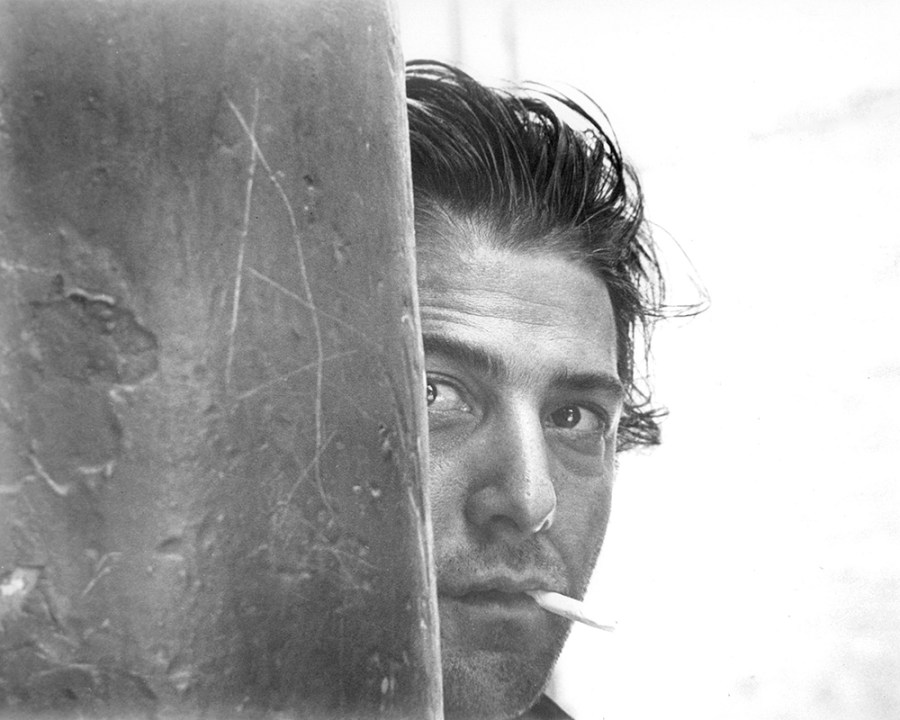
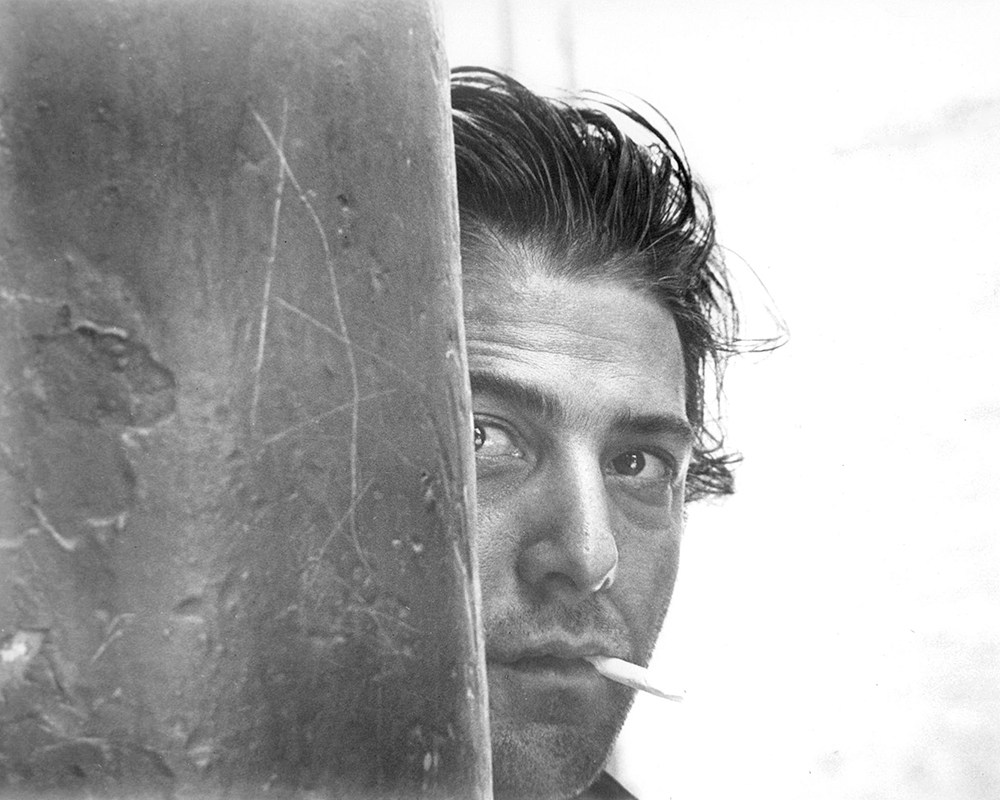
When writing a long profile of Dustin Hoffman for GQ around the time that he directed Quartet, I talked to the late Robert Duvall. Their life as flatmates in 1960s New York is the stuff of film legend. Loved by women and ‘kinda nuts’ was Duvall’s description of his old friend as a young man who had given himself till he was 30 to make it.
Memories of those formative years are one of the highlights of Look At Me and bring to life just what Duvall meant. Intermittently working as actors, the two had jobs that helped pay the rent on a tiny sixth-floor apartment on 109th street on the Upper West Side, such as waiting tables and taxi-driving to practise accents. A stint as an orderly in a psychiatric ward was a dream for Hoffman. As he remembers:
A big guy, who had been a police officer, a patrolman, would sway back and forth on his heels like a cop down on the street. He used to say to me: ‘Hi, sonny boy. My wife’s a real Dutch cleanser.’ That was his line. I guess he meant that she kept house, it was spick-and-span.
After work, Hoffman would act out his favourite characters for his roommates and other friends, including Gene Hackman. ‘We loved repeating little snatches of overheard dialogue to each other. “Sorry? You’re sorry? You piss all over my wife and you say you’re sorry?” Gene heard someone say in a movie theatre once.’
Their addiction to getting out there to look for material bordered on a kind of madness:
I was at a Chinese restaurant when the woman at the table next to me told her dining companion: ‘It’s not the Egg foo young, Harry, it’s the last 30 years…’
I got so excited when I heard her say that, because I could picture Gene and Bobby’s faces lighting up when I acted it out for them later. There is no theatre where you’ll see anything more dramatic, more engrossing or strange than real life. We were all students of human behaviour, filing away mannerisms, figures of speech and facial expressions for future use in our work.
When Hoffman attended the Actors Studio he failed to recognise Marilyn Monroe and baulked at Lee Strasberg’s praise for what seemed like the artlessness of a drunk actor playing drunk.
Today, with younger actors so pushed to promote themselves, we’re used to hearing from them before we see them on screen trying to be someone else. Hoffman is of a generation who preserved the mystery. Although he’s still working in his late eighties, his book is a great look behind the scenes, both literally and psychologically. As a small boy, ‘Dusty’ would imitate his much older brother Ronny, answering the phone and keeping girlfriends talking till they realised it was a precocious kid on the end of the line. More seriously, his study of other humans began at home.
In 1950s Los Angeles, when the brothers first read Death of a Salesman, they thought it was about their family’s delusions and tensions. Their father, Harry Hoffman, had driven from Russian immigrant poverty in Chicago to LA with dreams of working in the film industry. He ended up with a shaky furniture company and the family moved house endlessly. Two powerful emblems in the book of Harry’s frustrations are the suits that he couldn’t afford, but nonetheless bought, and the luxurious car his filmstar son could later give him, only for him barely to drive it. Not even Hoffman’s hero Arthur Miller could improve on the sadness here. Together they made a classic 1980s Broadway production, with Hoffman drawing on his own dad for his Willy Loman. Miller, he memorably notes, ‘talked like a cabdriver… a cabdriver who you’d want to listen to all day’.
The Graduate was of course the big break that came at the end of Hoffman’s crazy years in New York. His account of its fraught making, and the strident reactions to his casting in such a Wasp role, is fascinating. But on the cover of this book he’s not Benjamin Braddock with the ridiculous Beatle cut, nor the 1970s handsome yet ‘ethnic’ (his word) Carl Bernstein of All the President’s Men (1976), but hustling ‘Ratso’ Rizzo from Midnight Cowboy (1969). This was the role he chose next, much to the horror of Mike Nichols, the director of The Graduate: ‘What are you thinking? I made you a star! I made you a leading man, and this is your next part?’
But between them they’d made a future in which the leading man didn’t have to look a certain blond California way, and could be a character actor too. Hoffman is a great raconteur. It’s a privilege to get lost in first-hand accounts of these classic films, brimming with the feeling he has been accessing on screen for decades. It’s an extraordinary back catalogue and a life story to hold dear.





Comments