
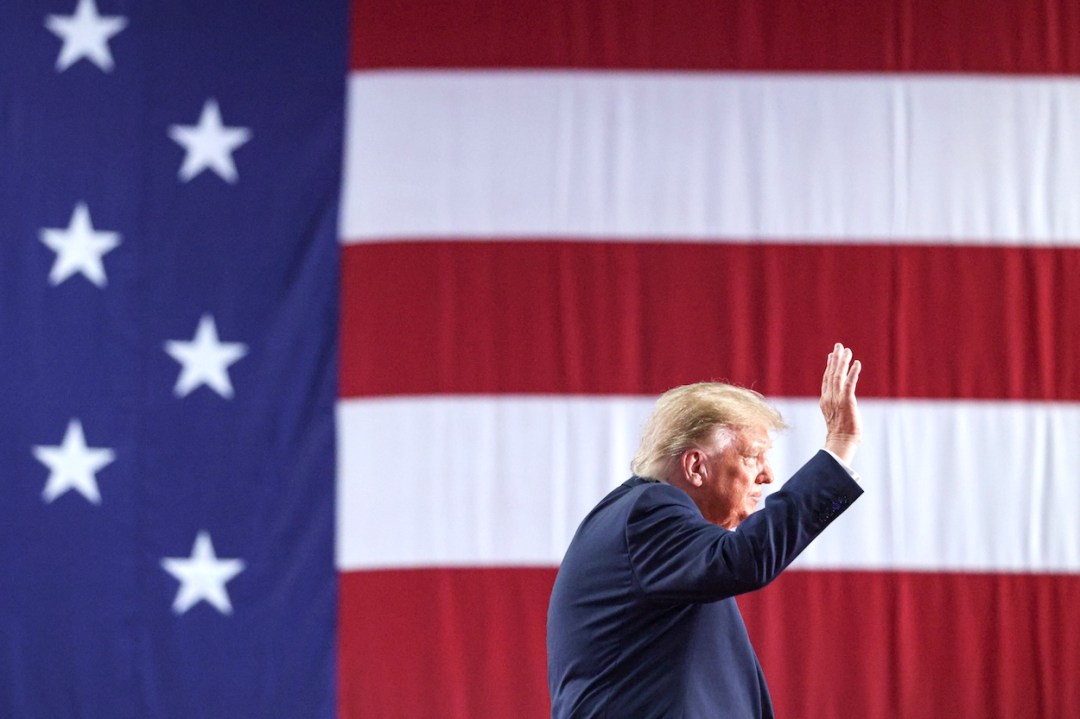
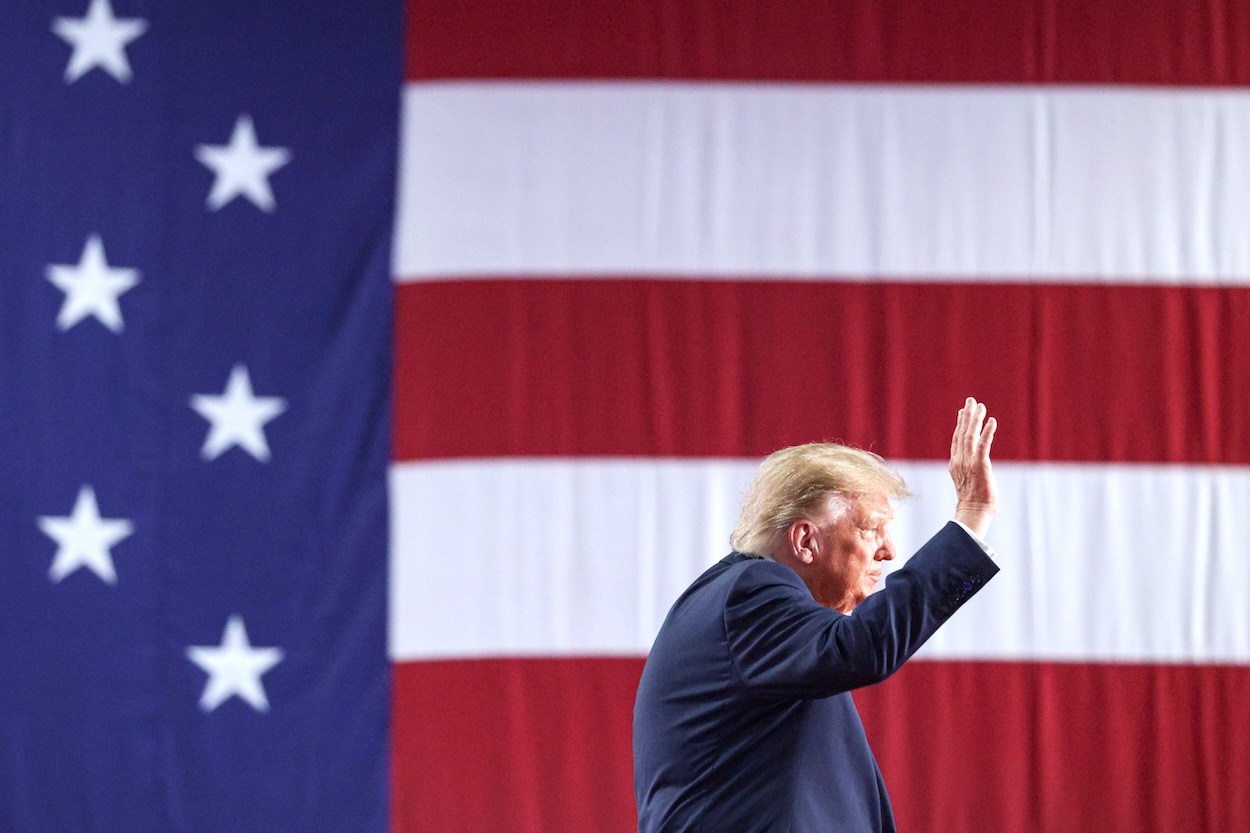
Donald Trump has called for President Zelensky to be removed from office. The US President is furious following a series of drone strikes by Ukraine on Russian oil refineries, which came hours after Trump has signed a deal with Vladimir Putin lifting sanctions on millions of tons of Russian diesel fuel. Trump told reporters last night about a conversation he’d had with Zelensky. “I said to him, ‘Do what you want. Don’t hit refineries. There’s plenty of targets, don’t hit refineries…’ I suggest they get a new leader who can make a deal.”
Trump has set up a political blame-game if the deal with Putin fails to deliver lower prices
That sensational decision by Trump to relax sanctions on Russian diesel – aimed at lowering fuel prices in the run-up to November’s midterm Congressional elections – will funnel millions of dollars into the Kremlin’s war economy. It has also put Washington on collision course with both Kyiv and its European allies. Ukrainian long-range drones, with the help of western satellite targeting, have been systematically blowing up the very Russian oil refineries that Trump has now de-sanctioned in an effort to ease global diesel supplies.
Trump posted that “Diesel prices for Americans and, indeed, the world, will be COMING DOWN, IN RECORD NUMBERS, AND FAST!” as a result of the Russia deal. He also made it brutally clear that “lower prices for Americans, especially our Great Farmers, Ranchers, and Truckers, is my greatest priority.”
Ukrainian President Volodimir Zelensky reacted with fury, calling the “back room” deal “absolutely terrible… not fair and not honest, certainly not how partners should treat each other.” Zelensky suggested that Putin had been “playing games” with Trump, and denounced the deal as “playing into Russia’s hands – allowing it to kill more, wage war for longer, have even less respect for America, and inflict even greater losses and damage on the world.”
Trump struck the deal during a phone call with Putin on Friday. Within hours the US Treasury’s Office of Foreign Assets Control had issued a sanctions waiver to exports of Russian diesel fuel valid until April 2027. News of the agreement – which Trump said would put three million tons of diesel onto global markets in the next three months – blindsided a Ukrainian delegation as it embarked on a round of talks in Miami with top members of Trump’s administration.

Even before Friday’s deal, Washington had been urging Ukraine to cease and desist from its attacks on refineries in order to ease pressure on global diesel supplies. In Miami, Trump’s envoys Steve Witkoff and Jared Kushner ratcheted up that pressure still further, raising the possibility that the US could shut off intelligence sharing altogether if Kyiv did not heed Washington’s warning to halt its strikes according to reporting by the Financial Times. Ukraine’s answer was defiant. “We will burn [Russian] refineries,” a senior Ukrainian official told the FT after Trump’s announcement official – and hours later Ukrainian forces struck the Yug Rusi oil terminal in Rostov-on-Don.
Many questions remain about Trump’s motivations for signing the deal with Putin. For one, the volumes of Russian diesel under discussion are too small to make much of an impact on global prices. Second, if Trump was truly concerned about US diesel supplies he could have just increased imports from oil-rich Canada by just 4 percent to match the entirety of the additional Russian supplies. Third, the US remains one of the world’s major exporters of diesel and other fuels and is not suffering any kind of shortage – indeed US daily diesel exports range from 1.5 to 1.9 million barrels. Prices at American pumps have risen because US producers prefer shipping their diesel to Europe, where prices are higher, rather than selling it into the less lucrative domestic market. In any case, none of that Russian diesel will ever make it to America – not least because of the Ending Importation of Russian Oil Act 2022 which mandated that Russian diesel cannot be imported into the United States unless the president certifies to Congress that Russia has withdrawn from Ukraine, acknowledged Ukraine’s sovereignty, and no longer poses a threat to NATO. In practice, the lifting of sanctions will simply mean that US companies are now free to buy Russian diesel and offload it in Rotterdam at great profit.
Then there’s the question of whether Russia has sufficient spare diesel to export in the first place. Months of systematic attacks by Ukrainian drones and missiles have caused rolling petrol shortages across Russia. Indeed until just a few days ago a Russian ban on the export of refined fuels was in place. That crisis seems to be easing, however, and a partial lifting of that export ban was announced by the Russian TASS news agency on October 6 citing “overstocking” of diesel at a number of refineries. But its not clear exactly how much surplus fuel Russia has to export, or whether it can repair its crippled refineries and ramp up production to supply the millions of tons Putin has promised to Trump.
If Trump’s diesel deal won’t put enough fuel on global markets to really move prices, why has he chosen to sell Ukraine down the river for such a small gain? The most obvious explanation is that Trump cares much more about domestic politics in the run-up to the midterms than he does about supporting Ukraine. But Trump has set up a political blame-game if the deal with Putin fails to deliver lower prices. If in November diesel prices remain stubbornly high, Trump has created a convenient scapegoat in the form of Zelensky and his continued strikes on Russian refineries.
There is a chance that Trump could U-turn on the deal under pressure from NATO allies, just as he has abandoned plans for banning the export of US diesel, which would have put acute pressure on Europe’s supplies. The brutal bottom line for Europe is that it’s easier to accept more diesel from Russia on global markets than risking the economic disaster of a US export ban. As a result, Putin has scored an important diplomatic and economic victory. And once again, Europe’s talk of supporting Ukraine for as long as necessarily has collided with the stark realities of global energy supply.





Comments