Steven Edginton

Steven Edginton is a documentary filmmaker and investigative journalist who has worked for the Telegraph, the Sun and GB News.

Invented claims of lynchings and racist violence are irresponsible — and dangerous

“Cases of Black people found hanged in the US South are a reminder of nation’s lynching history,” read an ABC News headline last month. That phrase – “lynching” – has been used again and again in reporting on the death of a woman in Mississippi. The Associated Press used the word, as did the British state broadcaster the BBC, the Los Angeles Times and the Washington Post. You may think, with such a loaded phrase, that the suspects are members of the KKK. In fact, all three are black men, charged with the murder of Tasia Fortune, a 29-year-old woman found dead on August 3 in Jackson. Fortune’s own mother has said that she doesn’t believe the killing was motivated by race. You would hardly know it from the media’s coverage.
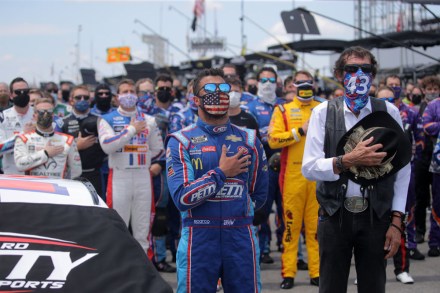
lynchings

Why did the British government label Charlie Kirk supporters ‘extremists?’

One year ago, Charlie Kirk was shot dead; the British government immediately got to work. Following Kirk’s murder, the Research, Information and Communications Unit (RICU), a UK government counter-extremism and anti-terrorism unit, began monitoring thousands of social media channels, gauging the reaction of what they describe as “Extreme Right-Wing” (ERW) activists. RICU has stirred controversy over its role in coordinating ‘controlled spontaneity’ campaigns in the aftermath of terrorist attacks Published here for the first time, a memo written by RICU reveals that officials assessed that “Extreme Right-Wing” activists, including Tommy Robinson, would use Kirk’s assassination to “push pro-free speech narratives.

Will the BBC apologise for its role in the Jason Arday story?

The BBC’s coverage of the Jason Arday scandal is something of a scandal itself. The corporation spent years uncritically promoting the myth of Arday. Prior to July 2026, the broadcaster produced at least 11 radio programmes (totalling nearly six hours of Arday content), four news articles, and two TV interviews championing the academic and repeating his false claims. When the initial story broke about his plagiarism and lies, the BBC doubled down on its defence of the academic. The first article which I would say features real criticism of the former professor was published on 6 August, a day after he resigned, more than two weeks after the original Arday exposé was published on Substack, and six years after the BBC’s first hagiographic piece about the late academic.