There has been so much controversy in the run-up to the 2026 World Cup that it is sometimes easy to forget that it is actually a soccer tournament. That is why it is something of a relief that the competition is finally underway, allowing fans to focus on the game itself rather than all the off-field goings on. The 2026 competition is being played in North America with thousands of fans descending on the United States, Canada and Mexico to watch their national teams in action. It features 16 host cities, 48 teams, and 104 matches. It amounts to a stupendous orgy of soccer excess.
Even so, the build-up to this tournament has been markedly ugly and increasingly politically-charged, despite FIFA’s attempts to paint it as a unifying global event. FIFA has faced a torrent of criticism over the sky-high ticket prices for matches. There was uproar in some quarters over Omar Artan, one of Africa’s top referees, a Somali man, being denied entry to the US. Geopolitical tensions have also featured heavily in this World Cup, with Iran required to enter and leave the US on matchdays. There was even confusion over whether fans could bring refillable water bottles into stadiums for matches, many of which will take place in stifling heat. FIFA initially told fans bottles would be permitted, then last week said they would be prohibited, before saying again they would be allowed. A series of flip-flops in quick succession that would make even Keir Starmer blush. Ian Wright, the former Arsenal striker who is on punditry duty with ITV, described it as “a World Cup of chaos.” Don’t hold back, Wrighty! It is all water off a duck’s back for Gianni Infantino, the FIFA president, who told the growing army of critics to “chill” and “relax.” Nothing, it seems, fazes Infantino. He has already said this will be the greatest World Cup ever – rather conveniently glossing over the contempt for human rights shown by FIFA in allowing Qatar to host the competition in 2022 and the disgrace of awarding the World Cup to Putin’s Russia in 2018. That is Infantino and FIFA in a nutshell: morality and ethics count for little.
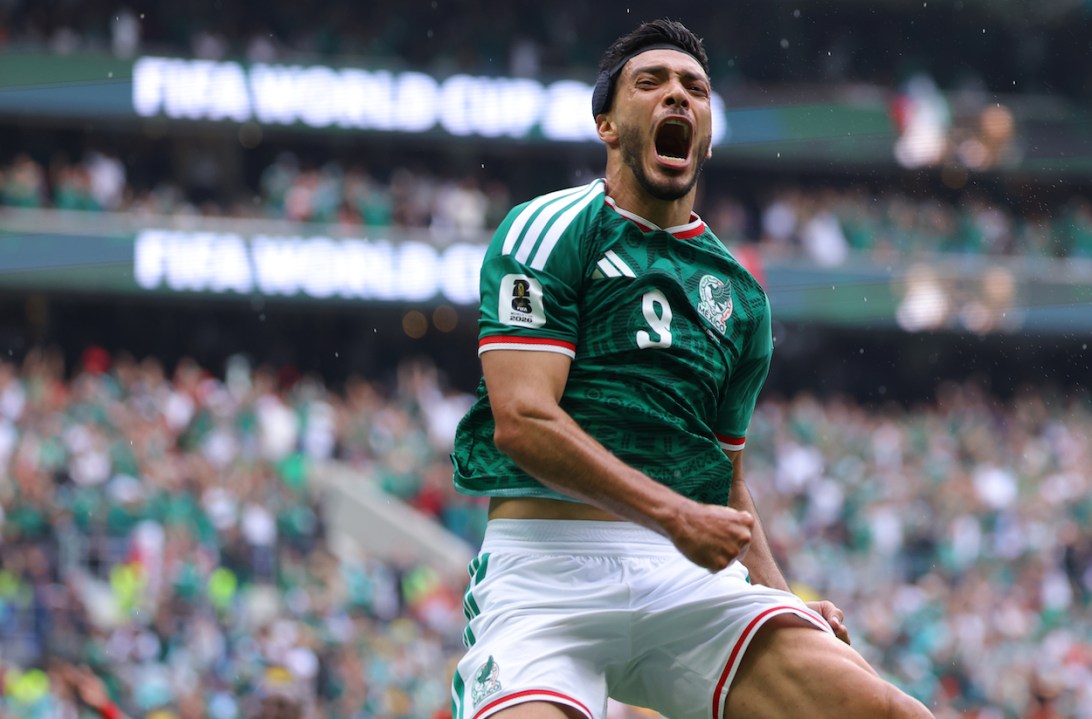
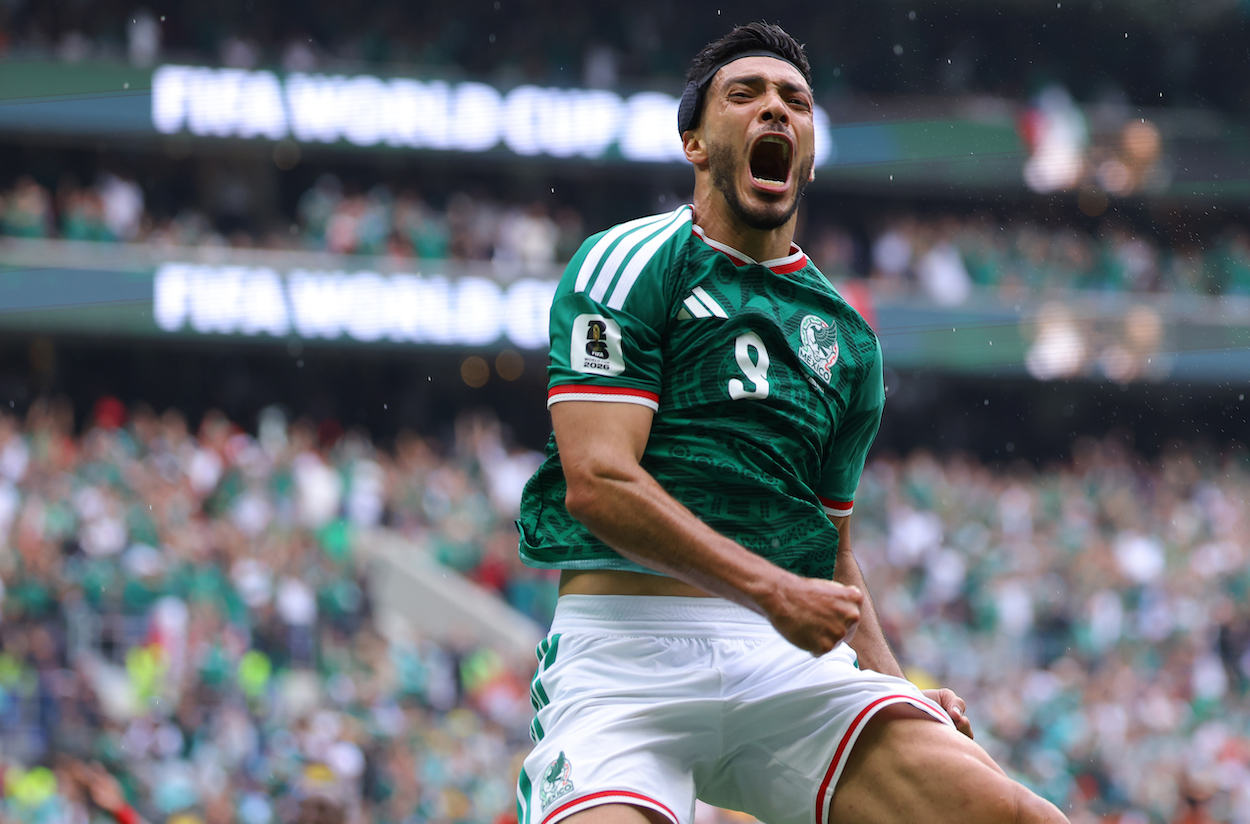
Politics kept on intruding, even in the hours leading up to the opening fixture between Mexico and South Africa at the Azteca stadium. There were genuine fears that the match could be delayed by mass protests outside the ground. The main teachers’ union in Mexico has been holding demonstrations calling for pensions reforms. Local residents groups are angry over disruption caused by the redevelopment of the stadium. In the event, the opening ceremony went ahead without any significant problems. It featured a performance of this year’s World Cup song, “Dai Dai,” by Shakira and the Nigerian megastar Burna Boy. It was a gorgeous spectacle of color and sound. The US and Canada will hold their own opening ceremonies ahead of their first games on Friday. The fans in the Azteca saw Mexico comfortably beat South Africa 2-0. There was plenty of drama, with three players sent off. VAR and the standard of refereeing were major talking points. Some things never change.
What about England then? That’s the burning question. Can Thomas Tuchel achieve what Gareth Southgate couldn’t, and finally lead the national team to victory in a major tournament? Tuchel sounded confident enough after the 3-0 victory over Costa Rica in the final warm-up game. Much, perhaps too much, rides on the form of Harry Kane. England should get through the group stages but the real challenges will come in the knockout stages of the tournament. The Three Lions could face Mexico in the round of 16. They then potentially face Brazil in the quarter-finals in Miami. That’s when we will find out how good England really are. Spare a thought for Scotland, too. It’s their first World Cup since 1998, and their qualifying group includes Brazil, Morocco and Haiti. No easy games there. It will be no mean feat if Scotland get through to the knockouts.
FIFA’s relentless determination to expand the competition might backfire this time
round. The 2026 World Cup is a 48-team competition, with 32 going through to the knockout stages. That removes much of the jeopardy and tension from the group stages. Yet the consolation is that tournament soccer always takes on a life of its own, throwing up drama, upsets and excitement, often at the least expected moments. Skeptics, and there are plenty, should hold off, watch and wait. Now is the time to put aside what’s gone before, and let the beautiful game weave its magic spell.





Comments