
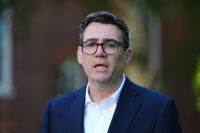
When he appeared on Question Time yesterday evening, Andy Burnham said the quiet bit out loud – he does intend to run for the Labour leadership, though he incorrectly stated that Wes Streeting has already triggered a contest. In fact, it might be on Burnham to do so if he wins the Makerfield by-election on 18 June.
Those who have headed to the mean streets of Makerfield recently have found Burnham awkwardly bestriding the fence and talking up his local roots, as well as his achievements as mayor of Manchester, without looking like he’s measuring the curtains in Downing Street.
But those who are advising him behind the scenes are keen for him to flesh out what he stands for and to devise a plan of action which will convince Labour MPs to back him against Keir Starmer and Streeting and the markets to leave him be to enact what he wants.
To that end, Burnham has today announced his first concrete national policy. He said that, if he becomes prime minister, he will cut business rates for pubs and music venues by 20 per cent in 2027-28, at a cost of £100 million. He also said he will abolish business rates for cafés, shops and hairdressers in a move that would cost a further £250 million. Where is the money coming from? By increasing tax on warehouses owned by tech giants such as Amazon and tackling tax evasion on the high street.
Burnham was one of the first politicians to grasp the importance of ‘place’ and this is very on brand for the beer, chips and gravy lover. ‘My party has… undervalued the contribution that these businesses make to our livelihoods and our communities,’ he said. So this is an announcement that works for Makerfield and his wider campaign.
Beyond that, we know Burnham still backs PR (but only after a general election), wishes we’d never left the EU (though he has ruled out re-joining for now) and has been forced into backing Shabana Mahmood’s immigration crackdown because that is palpably what the Makerfield voters (and 70 per cent of Labour voters nationally) want, even if it is anathema to many Labour MPs.
There were hints in interviews Burnham has given this week that he wants to raise income tax but feels constrained by Labour’s manifesto. His team (but not the man himself) have committed not just to some fiscal rules but to Rachel Reeves’s fiscal rules. He was encouraged into that position by both Ed Miliband and allies of Mahmood, so it will be interesting to see which of them he picks as his chancellor.
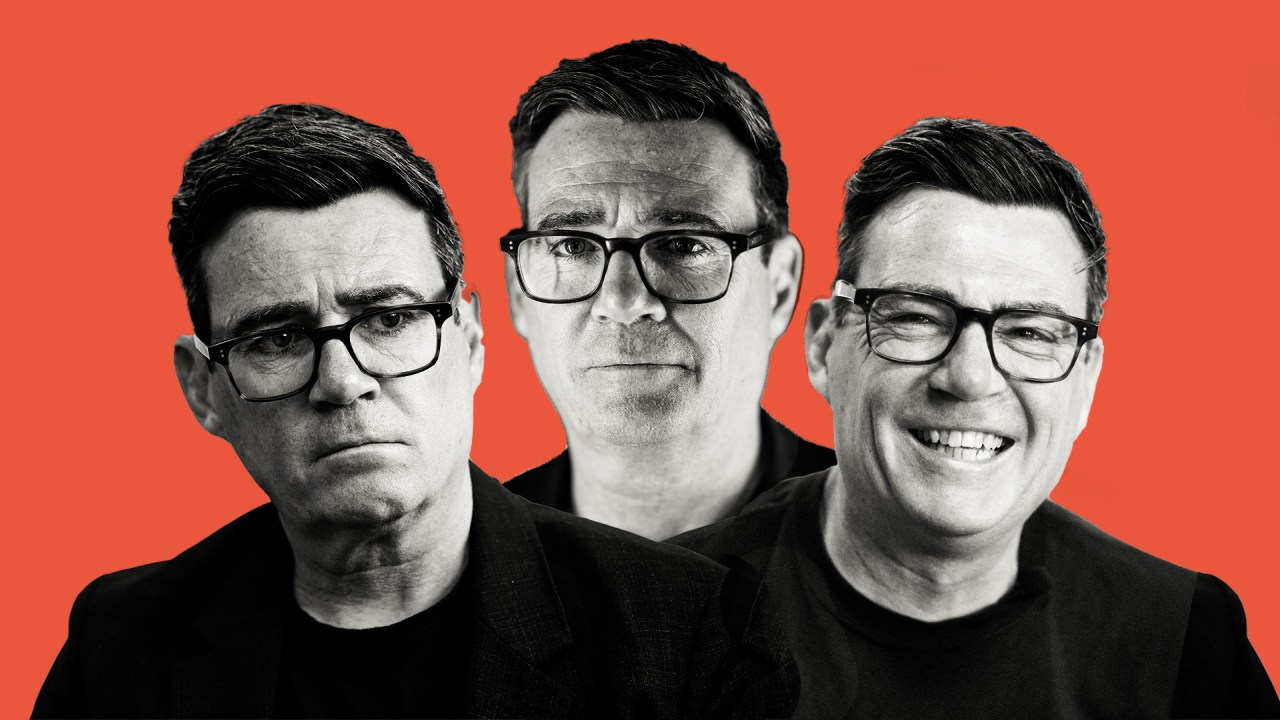
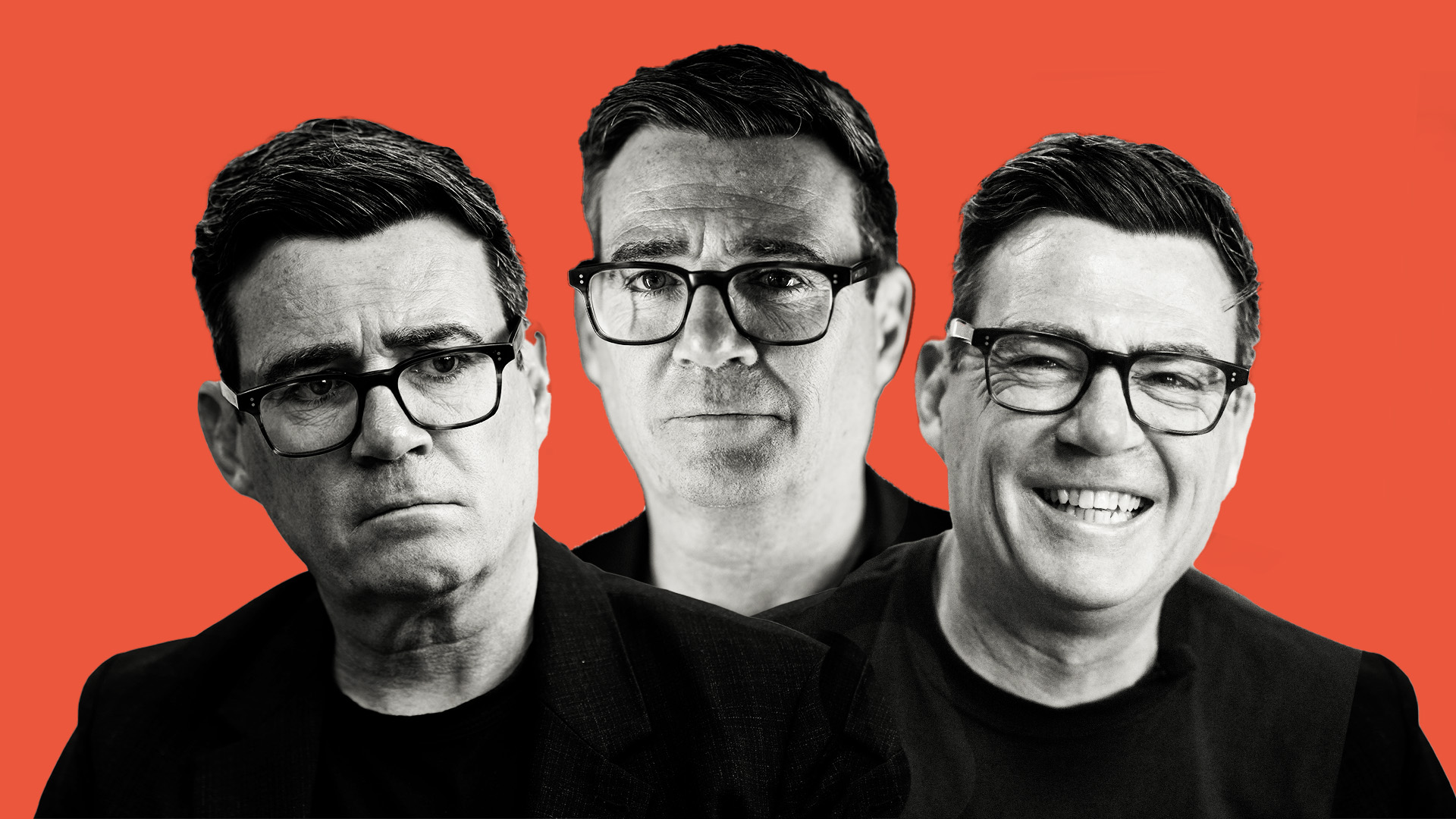
Burnham must simultaneously behave as three different people and reveal progressively less of himself in each role
The truth is that Burnham must simultaneously behave as three different people and reveal progressively less of himself in each role. For the past fortnight he has been the Labour candidate in Makerfield, loud and proud. We are now beginning to see the outline of medium-term Burnham, the man who would be prime minister before a general election, who wants to emphasise devolution, help for impoverished communities and investment in infrastructure.
Perhaps the most important figure, however, is long-term Burnham, the man who might draw up an entirely new manifesto to take to the country between the spring of 2027 and 2029. And while there are hints that this would be a more left-wing figure than medium-term Burnham, that is the character we need to see the most of – and are fated to see the least – over the next few months.

This article first appeared in our Evening Blend newsletter.



Comments