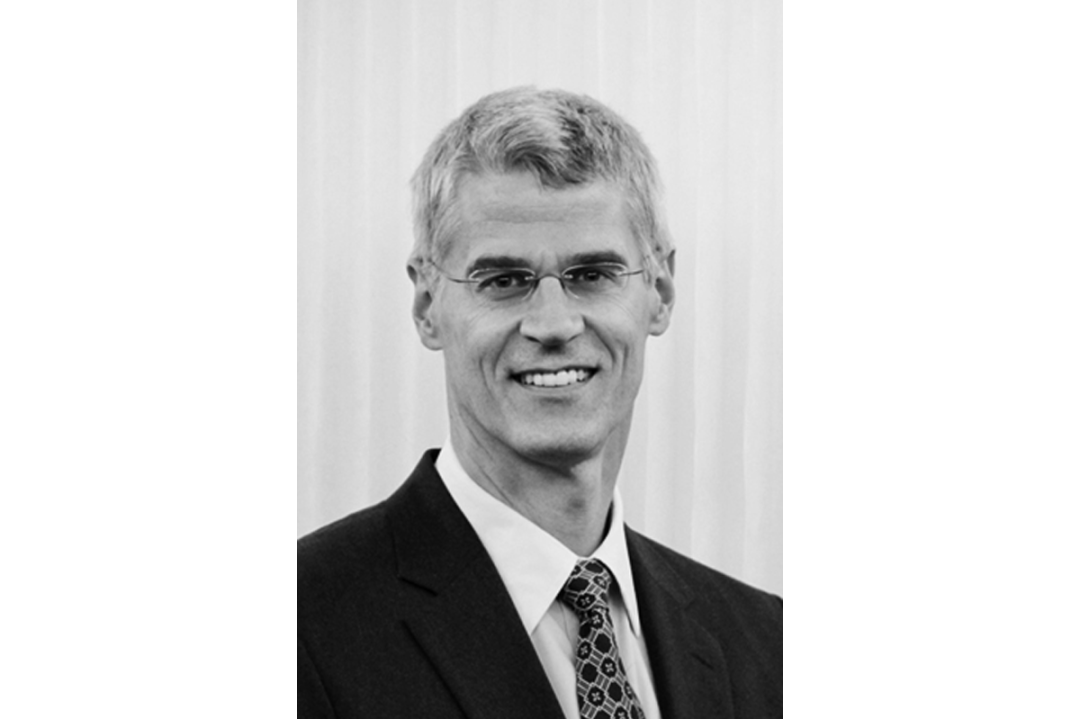
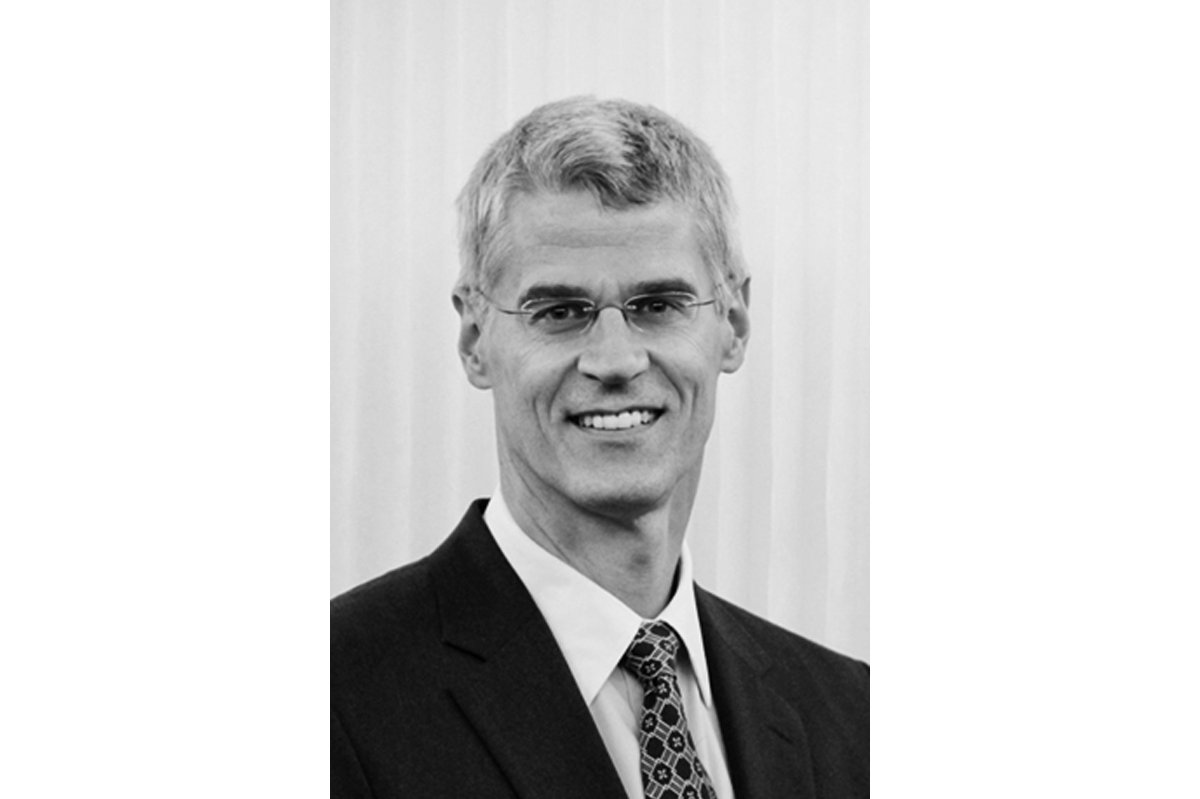
It’s strange interviewing a friend who is dying, but Karl Zinsmeister is at peace. I met Karl in Washington, DC, in the spring of 1981, when we two Upstate New York hicks were new to the staff of Senator Pat Moynihan. The first thing I learned about him was that he and his girlfriend (and later wife) Ann, while on some do-gooder mission in Africa, had wandered into Tanzania and been held on suspicion of being spies. (They weren’t.)
Karl threw himself into both intellectual and manual labor with fierce enthusiasm, doggedness, even hard-headedness. Over the past 45 years he has edited magazines, renovated ruined tenements, been embedded in Iraq, raised three kids, lived with Ann on a houseboat, served as White House chief of domestic policy and produced more than 20 books. Now, he has Stage 4 cancer.
Karl is one of the most physical writers I have ever known. He rowed crew at Yale but he could just as easily have been a hod carrier or stevedore. And when he was into something, he was into it. I remember how excited he was one night to get clipped by a car, and I can still see his St. Vitus-worthy after-hours in Moynihan’s office as WHFS boomed out John Cale’s “Mercenaries (Ready for War).” (Karl always did have a martial streak.)
“I have swum, biked, hiked and labored hard every single day for most of my life,” he tells me, “so it has been hard for me to become an indoor animal. I’ve rechanneled a lot of energy into writing.”
Has he ever. In the months since his diagnosis, Karl has published five new books, a hyperproductiveness that makes our Upstate homegirl Joyce Carol Oates look like Ralph Ellison.
That brings his lifetime output to 21 volumes, among them a novel about abolitionists, two children’s books, a regional cookbook and a history of Stickley furniture. Karl is reluctant to name a favorite, but admits, “I guess if an antifa mob surrounded my Ford and demanded I answer or else add a land acknowledgment preface to every single book, I would say Dreamland” – a memoir, and the most personally revealing.
His most recent books have been published through Amazon Direct. March brings what he expects will be the last one, a long-gestated excogitation on family life finally come to fruition. “The thing about becoming really sick that turned out to be hardest for me was not unhappiness with the discomfort or fear of death or any of that. It was the overnight disappearance of the stamina I relied on to create/build/write/make things every day,” he says. “To recover these satisfactions of creation I went into overdrive. That included not only a burst of writing but also some heavy outdoor labor over the last year to sculpt my 25-acre Adirondack hillside, lumber out hundreds of trees, carve hiking paths and plant wildflowers. During my weeks of peak chemo, all I could do was lie on my back. But before, after and around those episodes I became very efficient at churning things out.”
In recent weeks he has ceased chemo and immunotherapy due to “too many noxious side effects. I knew right from my initial diagnosis at Stage 4 that I was not going to beat my cancer. Now that I’ve stopped the chemicals I’m actually feeling OK most of the time. But I know it’s a calm before the storm. I don’t really look forward to the endgame of lung cancer, but that’s when you have to dig up some courage.”
He has that in spades. “All I can do is thank God that He grabbed me by the ear when I was 30 and told me to start thinking seriously about my place in the universe. Because I’ve had 36 years to cobble together some understanding of God and myself, I feel very peaceful and calm about reaching life’s end and meeting my maker. Gratitude is my main emotion. I’ve had so much goodness in my life, much more than my share.
“I’m particularly grateful I don’t feel existential angst or any spiritual crisis – which plagued a few people I loved at the close of their lives. At the moment I’m trying to foster among my very young grandchildren, through twice-weekly homeschool teaching, some confident and brave faith in God, so they might have a wall they can lean against when they hit storms.”
While writing this I happened upon former Supreme Court justice Oliver Wendell Holmes Jr.’s speech for his 90th birthday celebration in 1931. “The race is over,” said Holmes, “but the work is never done while the power to work remains.” Soldier on, old buddy.




Comments