
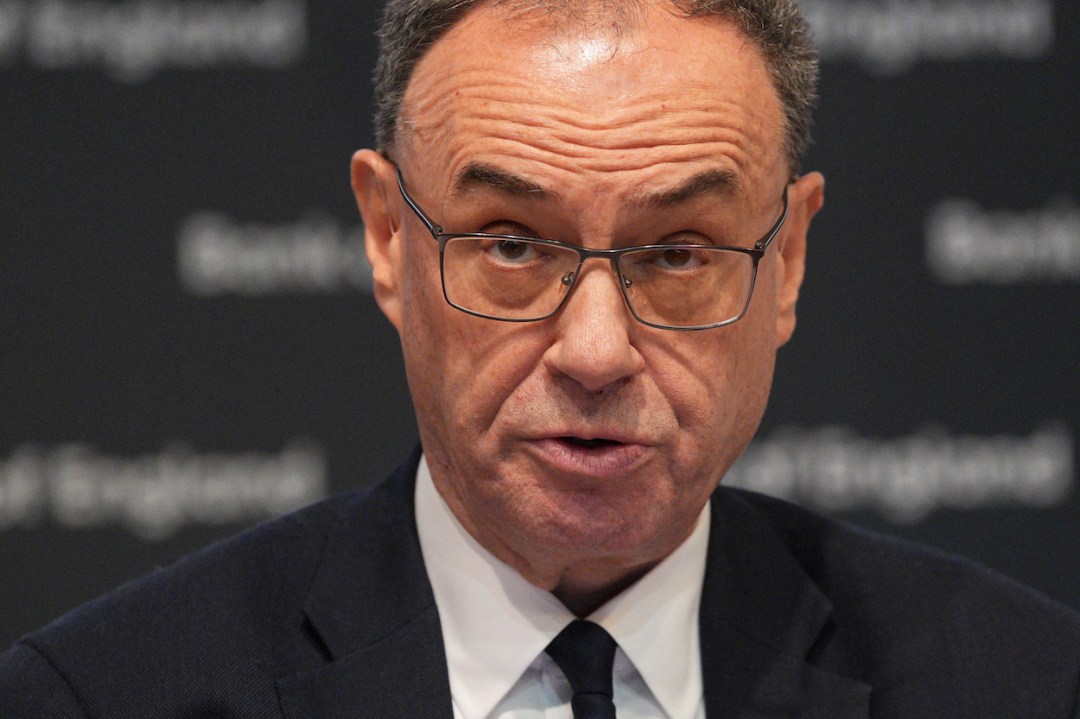
The Bank of England’s Monetary Policy Committee (MPC) has just voted to hold interest rates at 3.75 per cent. While market expectations and pundit’s predictions overwhelmingly foresaw a hold, the vote came in slightly tighter than expected at five against four.
The decision came alongside new forecasts from the Bank that predict inflation falling back to the 2 per cent target from April, in what will be a relief to the government and indeed the rest of us. In even better news for Rachel Reeves, in the Bank’s ‘Monetary Policy Report’, also released today, it gave the government some credit for ‘developments in energy prices including from Budget 2025’.
Better news came for homeowners too, with the Bank confirming that rates will continue to be cut further this year. Indeed, the main reason why rates were held today is so that inflation remains at target once it gets there and doesn’t rebound straight away. I think that’s a sensible decision given our recent monetary history.
The good news ends there though. The Bank’s forecasts for growth and employment were moved in the wrong direction. On unemployment, the Bank’s report said they expect the rate to hit 5.3 per cent by the middle of this year – ‘a little higher’ than expected in November. Growth, the Bank said, would come in even lower than expected too; it downgraded its expectations for GDP this year to just 0.9 per cent, compared with the 1.2 per cent it had forecast previously.
It seems, then, that regardless of what they say, the Bank and government are now in lockstep in focusing on tackling the cost of living. Given our staggeringly high borrowing costs it’s comforting to see the MPC move cautiously on inflation, but it does lead to a trickier picture on growth. The government may reap short-term political gains from driving down inflation, as Rishi Sunak had to do before them, but if, as now appears, they have effectively given up on growth, then no one’s living standards will truly improve.
Watch the latest Reality Check with Michael Simmons:






Comments