

If you’ve ever lived in Marseille – where the habit of exaggeration is imbibed with mothers’ milk – you’ve heard about the sardine that blocked the port. But that’s nothing compared to the pistachio that took over the world.
In late 2023, Dubai chocolate, a new kind of chocolate bar filled with pistachio cream, tahini and crunchy, toasted phyllo pastry, went viral. Chocolate brands, bakeries and purveyors of fine foods were quick to jump on the trend. Coffee chains began offering pistachio chocolate drinks (iced Dubai-chocolate matcha, anyone?) and delectable pistachio bomboloni – soft donuts filled with pistachio cream – came back on the menu in Italian restaurants. Meanwhile, pâtissiers seized on the craze with spinoffs such as the pistachio and raspberry dessert by Montreal’s Farine & Cacao: yogurt mousse, raspberry confit and whipped pistachio ganache nestled atop a pistachio biscuit, crowned with fresh raspberries and pistachio praline.
Much of Iran’s 2025 pistachio harvest is jamming up shipping terminals waiting for some kind of stability
The quietly elegant pistachio has always been around, of course. It’s the Ralph Lauren of food: understated, classic, refined. But it’s been elevated to the rank of haute couture at this point, complete with its own range of downmarket knockoffs. Even Hermès has surrendered to force majeure and launched a pistachio perfume, Un Jardin à Cythère, which is supposed to smell like a Greek island garden: olivewood, fresh pistachio, bleached grasses, cyan skies. Parfumiers from Kayali to Tom Ford have picked up on the trend, and you can recognize the cool people now by the lingering notes of pistachio in the air when they leave the room.
Emilie Wolfman, a trend innovation manager at upscale British grocer Waitrose, told the BBC that searches for “pistachio” on its website had jumped by a massive 788 percent in spring 2025, compared to the same time the year before. “Pistachio offers luxury appeal,” she said. “It’s a versatile ingredient, integrating into a wide range of foods from decadent chocolate to savory pastries and even sauces, which is driving its popularity.”
But where do all the pistachios come from to supply the pistachio-addled fashionistas and influencers? Chiefly from the US and the Middle East, especially Iran. Everyone knows about Iranian black gold, but the country is the world’s second-largest producer of green gold, as its pistachios are called. The nut is native to the region and in Iran they have pistachio trees that are more than 700 years old. It is said that the Queen of Sheba once declared pistachios to be a royal food and ordered the region’s entire harvest to be brought to her kingdom. This was back when kings and queens understood the duty of magnificence. (It’s a pity Handel’s music for the Queen of Sheba had not yet been composed – it would be just the thing to accompany the piling of thousands of sacks of pistachios before the royal throne.)

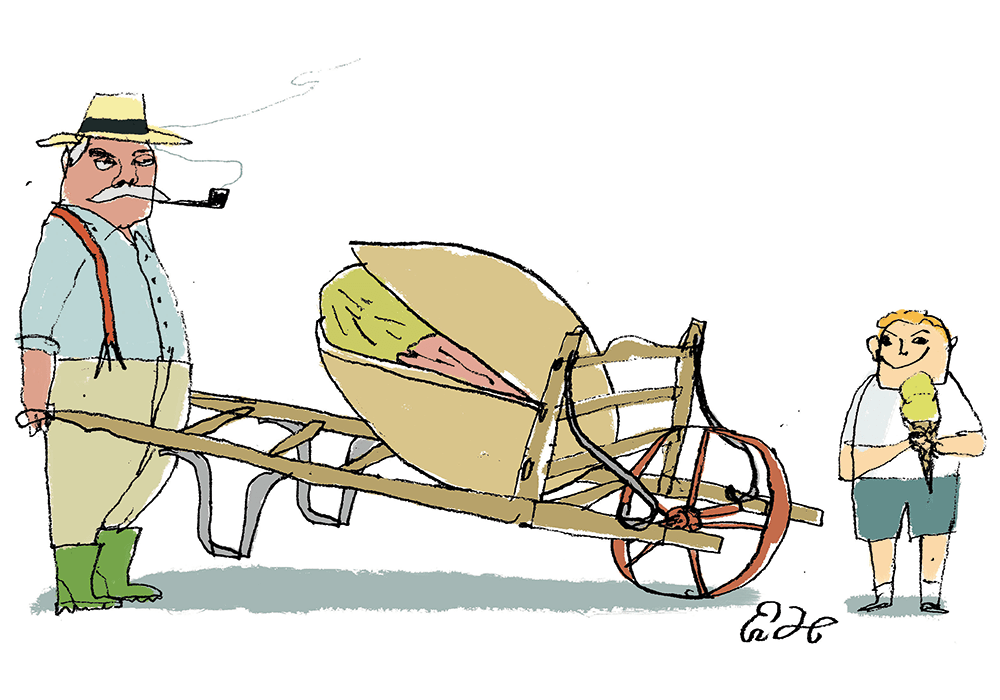
Pistachios are much smaller than sardines but, under the right circumstances, they too can block ports. The war has disrupted supply and driven up price by more than 50 percent in recent months. Much of Iran’s 2025 pistachio harvest, totaling around 225,000 tons, is jamming up Iranian shipping terminals. No relief is in sight; on March 6, the Iranian government banned all agrifood exports, citing the need to preserve essentials for domestic consumption, and the poor pistachio, its top food export, has taken the biggest hit.
Analysts see the green nutmeat as the canary in the coalmine. Spanish pistachio-growers group Viridi says the military escalation in Iran, “intensified by the country’s severe internal political crisis and an internet blackout that has lasted since January 8, has turned pistachios into a silent indicator of tensions in the Middle East.”
But while the Iranian pistachio-canary gasps weakly in its cage, the Californian canary is snapping up birdseed with vim and vigor. With both demand and prices rising, American growers should do very well this year, although some – like Nichols Farms, a major California pistachio grower and processor – are complaining that the war has prevented their shipments from reaching destinations in the Middle East.
Nichols Farms had about $5 million worth of pistachios on ships in the region when the Strait of Hormuz closed. The pistachios got stuck. The company managed to get three loads out of the area, but $3.5 million in inventory is still stranded there – a sitting duck for entrepreneurial salvage companies, which may never again see such an opportunity to negotiate free pistachios for life. Here’s hoping the trend lasts that long! Fortunately, pistachios are a classic. They grew in the Hanging Gardens of Babylon and they’ll be around when Dubai chocolate disappears into the mists of time.
Curiously, the sardine that blocked the port in Marseille was also a war-related blockage, indirectly caused by the US War of Independence. If it weren’t for Louis XVI’s taking America’s part, the British wouldn’t have laid siege to the French colony of Pondicherry. The French held out for ten weeks, but eventually surrendered. A prisoner exchange took place and the French frigate Sartine (named for the French secretary of the navy, Antoine de Sartine) was granted safe passage to bring the prisoners back to France.
With both demand and prices rising, American growers should do very well this year
Owing to a misunderstanding with the British HMS Romney off the coast of Portugal, the Sartine’s captain was killed en route. The first mate took over, but his navigation skills weren’t up to par. When they reached Marseille, he couldn’t quite manage the tricky bottleneck entry into the harbor. The Sartine blew onto the rocks, then sank right in the middle of the entry channel, blocking ships from coming or going. It remained for the resourceful harbormaster – a veteran naval officer with a wooden leg – to make the catch of the week, fishing the Sartine out with a winch mounted on the quay.
The Marseillais are proud of their reputation for hyperbole, and happily make a tuna out of a minnow and a mountain out of a molehill any day of the week. But in this case the teasing is unjust; a sardine – or Sartine – really did block the port! If the pistachio hadn’t already conquered the world, that would be hard to beat.


Comments