

Andy Burnham’s greatest asset with Labour MPs is his likeability. It has helped him win over the party’s traditional factions – Blairites, the soft left, the Socialist Campaign Group and Blue Labour – while allowing each to project its hopes on to him. The result has been four months of relative peace in the Parliamentary Labour Party (PLP). Now, however, that unity is being tested.
Downing Street faces two big short-term challenges: the Milburn welfare reforms and Rosebank. Both are seen as tests of Burnham’s grip, but the scale of dissent is markedly different. The Milburn report, which was published on Tuesday, has prompted objections from a relatively small group of MPs, mostly the usual suspects in the Socialist Campaign Group. The impending decision to approve the Rosebank oil field, by contrast, has drawn condemnation well beyond the far-left caucus. The contrast shows where Burnham’s new ‘HR department’ approach to whipping has worked and where rebellion has become too broad and too senior to be quelled by a months-long pitch about the moral and economic case for boosting employment.
Ministers say they agree with rebel MPs over broad support for net zero, the disagreement is over its pace
The immediate reaction to the Milburn report was remarkably positive. Complaints about benefit cuts of up to £100 a week were limited. John McDonnell, formerly Jeremy Corbyn’s shadow chancellor, moaned that it is ‘sick and disabled young people who are expected to pay for this new system’. Ahead of next year’s Neets White Paper, he warned that he and his comrades ‘have the time to ensure the government adopts an alternative funding option’ to cuts that would pay for employment support.
Beyond that, the early response was supportive. A minister involved in bringing the PLP on board explains why: ‘We went back to the foundations and then rebuilt an argument. This is not taking money away, it’s redeploying it.’ Another says: ‘People who had concerns last year [when Keir Starmer attempted welfare reform] have been involved in the process of this report… Their ideas, their experiences are reflected. You won’t find many people who will be able to say, “Oh, no one spoke to me about this.” The engagement has been exceptional.’
Downing Street knows the reforms will not command universal support, but intends to proceed much as it did before the report’s publication. ‘We will kill people with kindness for the first few weeks,’ a minister says. ‘We’ll say tell us what your concerns are, because this is Milburn’s independent review, and we need to come up with a government response to it.’ The expectation is that dissent will remain limited, though there is concern it could intensify as complaints from those affected reach MPs’ inboxes. One Labour MP says constituents are already warning: ‘These [reforms] are an absolute disgrace. You’ll have blood on your hands. What will they live on? This is ageist.’ Team Burnham, however, is prepared.

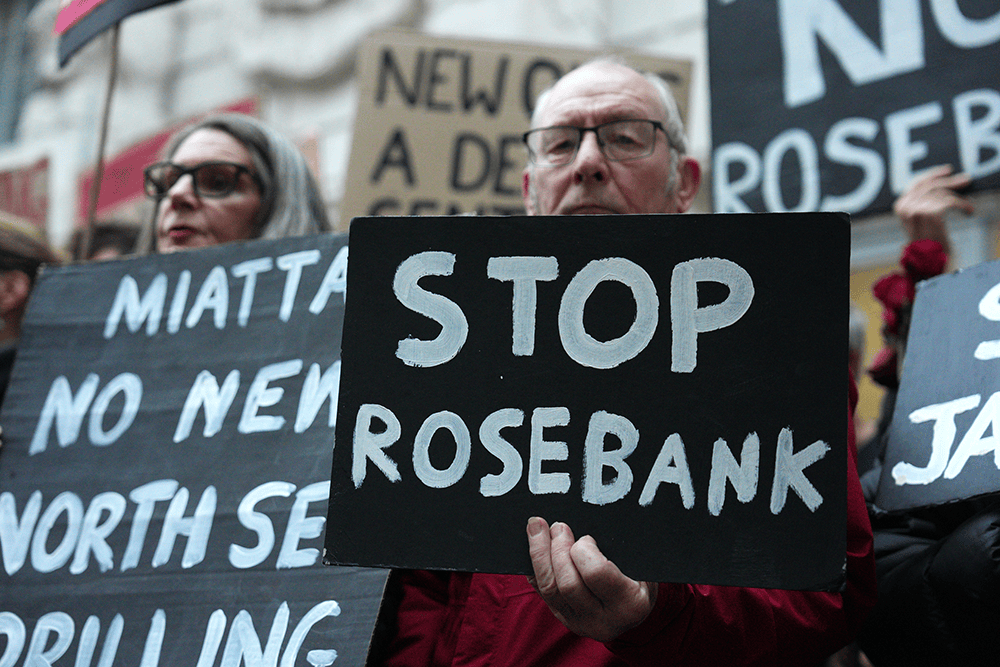
Rosebank is a different story. It exposes deeper fractures within Labour, dividing the party up to cabinet level. Energy Secretary Miatta Fahnbulleh and her mentor Ed Miliband want to reject it, but Burnham and John Healey are minded to overrule them. Anti-Rosebank backbenchers and government members, aware of the divisions, have begun their own shadow-whipping campaigns.
One of the most active backbenchers is Mike Reader, the MP for Northampton South and a member of the Energy Security and Net Zero Committee. Before entering parliament, he spent nearly 20 years working in carbon-neutral major- and giga-project construction and procurement. Centrica chief executive Chris O’Shea offered him a helicopter flight to the Rough gas storage site to make the case for the North Sea. Reader politely declined and has been urging colleagues to push for a rejection.
Catherine Fookes, the MP for Monmouthshire, is also leading the ‘no’ campaign. More than 75 MPs have signed a private letter to Burnham urging him not to approve the field. With Miliband and Fahnbulleh constrained by their cabinet roles, their parliamentary private secretaries are acting as conduits for anti-Rosebank campaigning from the top table. Jeevun Sandher, Fahnbulleh’s PPS, has been particularly active behind the scenes.
This month, three of Miliband’s PPSs used a Westminster Hall debate to make arguments their boss is prevented from advancing in public. Anna Gelderd, the MP for South East Cornwall, told colleagues: ‘We live in an unprecedented era in which our energy security is more vital than ever and in which jobs and wealth must be protected and economic opportunities seized. On both of those points, Rosebank fails.’
For now, No. 10 is allowing grievances to be aired. Ministers say they agree with rebel MPs over broad support for net zero, the disagreement is over its pace. Because the Rosebank decision is still pending and quasi-judicial, Downing Street does not believe the debate undermined Burnham. A senior Labour source points to a ‘long-standing protocol’ that allows PPSs to ‘speak in debates’ and ‘express their opinion’ unless they are speaking against ‘settled government policy’. Once Rosebank has been approved, however, the leniency will end. ‘If you were having a debate in six months’ time, Rosebank had been approved and you had PPSs coming in to say, “I disagree with government on this”, then that’s not OK,’ the source says.
Miliband has already signalled he will stay on even if the decision goes against him. Some PPSs have anonymously threatened to resign over the matter, though the whips are unsure how serious those threats are. Louise Haigh, Burnham’s right-hand woman and First Secretary of State, hasn’t yet been asked to intervene. But she is available as an ‘emergency lever’ to the whips if needed.
Burnham’s personal appeal and strong polling have given Labour’s competing factions room to see what they want in his leadership. The Neets debate suggests patience and engagement can contain dissent when the argument is carefully prepared in terms the left can accept. But Rosebank is a harder test. If Burnham overrules Miliband and Fahnbulleh, he will have to persuade dozens of those on the losing side of the argument to accept the outcome and keep working together. Whether his ‘kill them with kindness’ approach can survive the fallout – or whether he will resort to the traditional tactics of the party whip – remains to be seen.






Comments