

A brass fanfare; a wide establishing shot of five men in three-piece suits, seated in a library of leather-bound tomes – this is Harold Macmillan doing informal. The scene is from a 1959 party political broadcast, which purports to show a “relaxed chat” between Macmillan and four of his ministers, all of whom he refers to by their cabinet titles. Almost everything about it is artificial (including quite possibly the claim that it took place the day after the parliamentary recess). Watching it now is a reminder of two things, perhaps contradictory. First, that prime ministers have always played a clever and not entirely authentic game when it comes to informality; second, how far we’ve fallen.
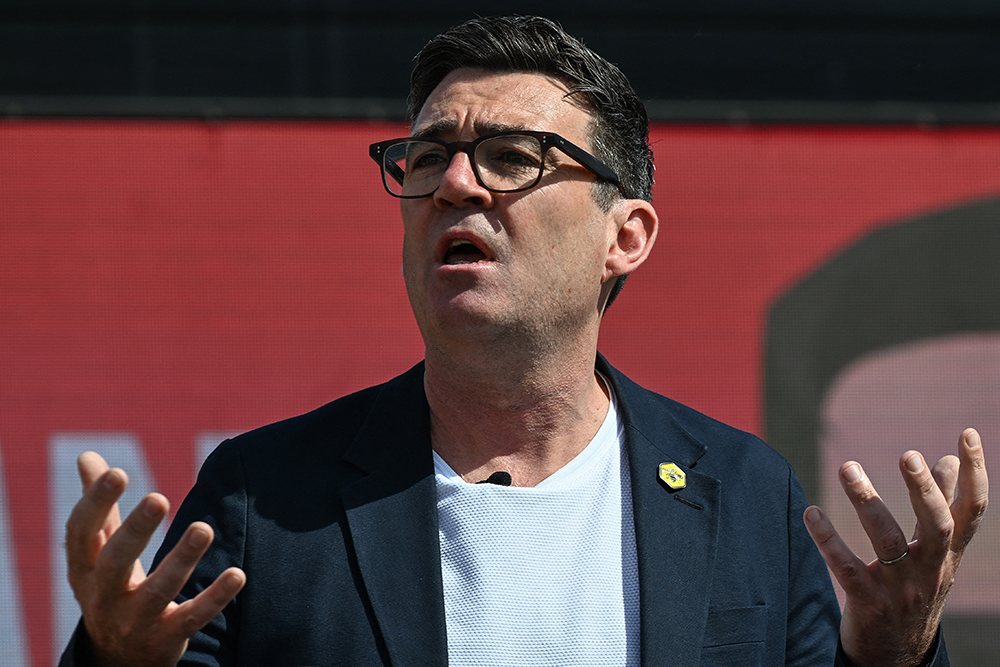
Can you imagine the equivalent today? A T-shirted Andy Burnham sits on a high stool around a breakfast bar with Ed Miliband, Louise Haigh and Miatta Fahnbulleh. Through the glass sliding doors to the patio, we can glimpse Angela Rayner in a paddling pool, vape in hand. A manipulated and studied informality may well be the only thing Burnham has in common with Macmillan (though I suppose both of them also knifed their immediate predecessors and then claimed they hadn’t).
The biggest problem may not be Burnham himself, but the fact that many people do buy this schmaltz
Burnham has kept his messaging vague when it comes to energy policy, immigration and the economy. But he has made it abundantly clear that he will favor T-shirts and waxed jackets over collared shirts and ties; that he thinks informality of dress is something he must take a firm stance on. This has been a feature of his campaign ever since he decided Sir Keir needed defenestrating. His Makerfield ads – and his official social media accounts – featured a bizarre cartoon avatar of his own face, as if he were a new CBeebies character and not the prospective leader of a great power.
Burnham, like Macmillan, knows exactly what he’s doing in this regard. The latter wanted to project the image of a patrician country gentleman with his hand lightly on the tiller of the ship of state, when in fact he was a neurotic intellectual. Burnham wants to project the idea that he’s someone you might meet in a Manchester pub and come away thinking “what a good bloke,” rather than a career politician who’s up to his knees in every Labour catastrophe of the past two decades. The difference is that Burnham’s informality is of a demonstrably lower standard: the clothes are of poorer quality, the conversation is more banal, the entire shtick is designed to hit a lower common denominator.
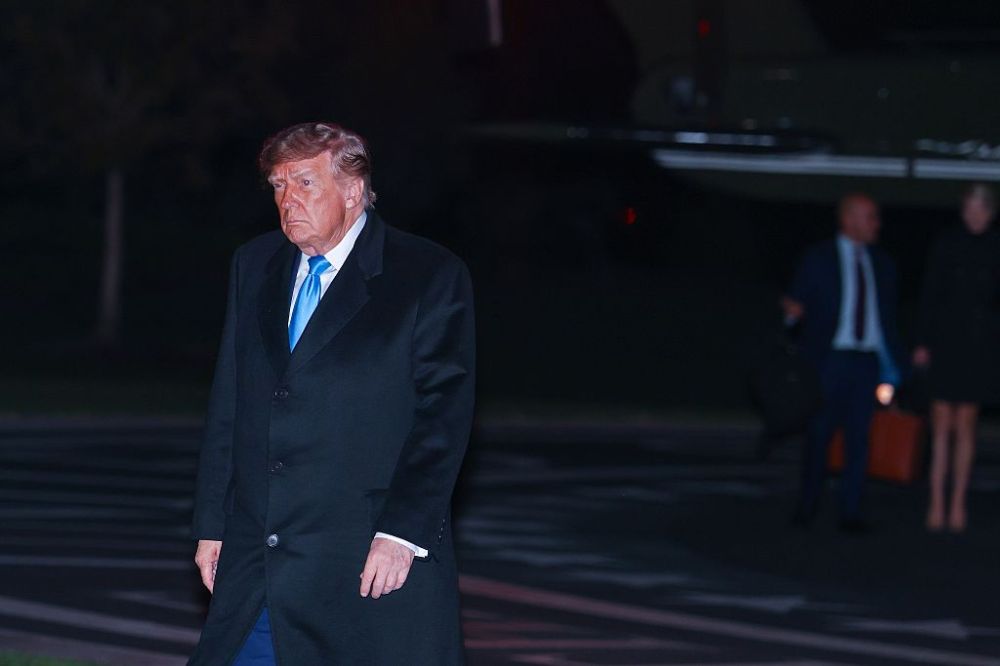
How did we get here? As with so much about the decline of standards in Britain, there is a Blair-shaped answer. “Call me Tony” deliberately allowed himself to be photographed wearing T-shirts, football shirts and even – repulsively – swimwear. All this faux-chumminess was an attempt to show that politicians are “just like us.” But of course, politicians aren’t just like us, and nor should they be, given the importance of the job. The nation is facing probably its direst crisis of identity, demographics, defense and the economy certainly since the 1970s and perhaps since the war. If someone is going to come on television and tell me there’s going to be rolling blackouts or that the Russians have sunk a cruiser, the very least they can do is wear a bloody tie.
Burnham’s appeal to a twee, folksy casualness, then, is a misstep. It rings discordantly with the serious demands of our times. The shallowness, however, is typical of his words and actions: for instance, the idea that all it takes to fix the machinery of government is “problem solving, not point scoring”; or the implication that until he entered Downing Street no one had ever thought of just working together and being nice to each other. Of course, Burnham isn’t really that stupid, which points to a more worrying conclusion – he appears to believe that if you address the British public in a “dressed-down style” and with a familiar enough register, they’ll swallow any old rubbish.
Infantilization has become a part of daily life. As cracks begin to show ever more regularly in British infrastructure, many of us grit our teeth when another train cancellation or delay is announced in the style of a toddler who’s wet himself. “We’re sorry, your train has had a boo-boo, please don’t be angry.” We have all become familiar with the primary colors and crude animations that dominate NHS announcements, advertising aimed at adults and even some civil service comms.
This isn’t just an aesthetic problem. Accompanying the tweeness and informality is a new dominance of mawkishness and sentiment when it comes to policy itself. Every law has to be named after some kind of tragedy, every policy announcement to be revealed on social media by a sad-looking member of the public. In the House of Commons, victims are constantly invoked, as are the X Factor-style backstories of politicians themselves. All of this is an attempt to avoid scrutiny, and it makes it extremely difficult for anyone to raise voices of opposition, even constructively, to badly drafted laws that hinder good governance.
Would Burnham wearing a suit and tie suddenly solve our national problems? No, but it might at least project the idea that he is serious about trying to do so. It would show he understands that being PM is a job where you’re not trying to be everybody’s bezzie mate, but one where you have to make important and complicated decisions which at their extremes can involve matters of life and death.
The biggest problem may not be Burnham himself, but rather the fact that many people do actually buy this schmaltz. Some do genuinely believe that a government is “more relatable” and somehow, indefinably, “better” if conducted by a man in a T-shirt and a pair of New Balance trainers. Perhaps it will take the Burnham premiership to finally disabuse them of this invidious deception.




Comments