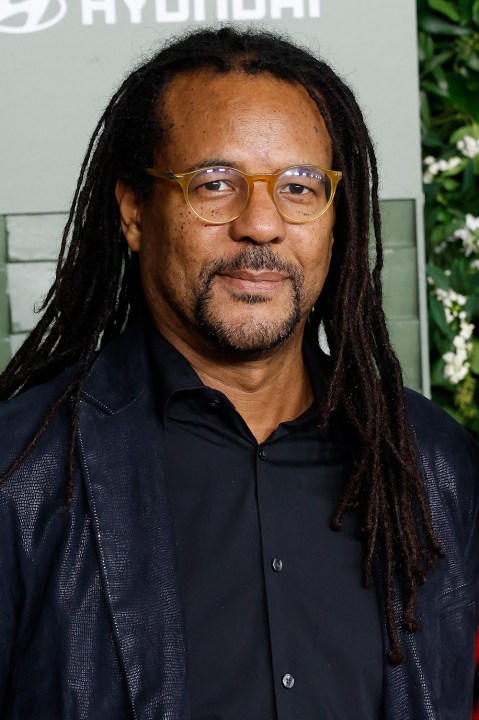

Cool Machine, the final novel in Colson Whitehead’s Harlem trilogy (following Harlem Shuffle and Crook Manifesto), is another tour de force and a fitting conclusion to the Uptown peregrinations of his endearing protagonist Ray Carney, a successful Harlem furniture salesman and part-time fence.
It’s an old-school crime caper, set in 1980s New York against the backdrop of Mayor Koch’s rapidly gentrifying city, told in three interconnected sections excoriating Reagan-era capitalism. The ubiquitous construction works, graffiti and corruption are fuelled by the twin deities of power and money.
Each story is stylish, powerful and poetic – whether featuring the Harlem criminal mastermind Uncle Rich, attempting to steal Jesse Owens’s Olympic medal from the Waldorf-Astoria; or Ray’s ageing friend Pepper, hoping to procure a stolen African tribal mask for the businessman he is guarding; or Ray himself, trying to protect his dead cousin Freddie’s son from the mafia.
New York is depicted with panache as a maelstrom of moral turpitude and Darwinian competition, split by long-standing racial fissures. Whitehead’s evocation of the black demi-monde, with its skulduggery, malevolence and violence, filled with louche characters who ‘emanate a palpable depravity’, is thrilling. There is also sardonic humour: ‘But Carney was not without resources. He grew up in Harlem, which was its own school, and learned one skill early on. When the shooting starts: duck.’
Cool Machine is a love-letter to both Harlem and the whole protean metropolis, even if it is unforgiving: ‘It was an expensive city – but cutting dreams and ambitions down to size was on the house.’ Philosophical ruminations on transience and mutability also abound. Of Harlem’s 125th Street we are told: ‘The only permanent tenants were hustle and impermanence.’
Whitehead is a worthy successor to his literary forebears Chester Himes and Walter Mosley. While Carney is admittedly no Coffin Ed Johnson, Gravedigger Jones or Easy Rawlins, the duality of his psyche, his erratic moral compass and his psychological complexity make for an emotionally fulfilling read.
With echoes of Ralph Ellison, James Baldwin and the blaxploitation movie Shaft, Cool Machine showcases a novelist at the height of his craft, working with cerebral glee, virtuosity and an abundance of love. Whitehead’s Harlem trilogy deserves to become a touchstone of the modern American literary canon.





Comments