James baldwin

A more rounded picture of James Baldwin

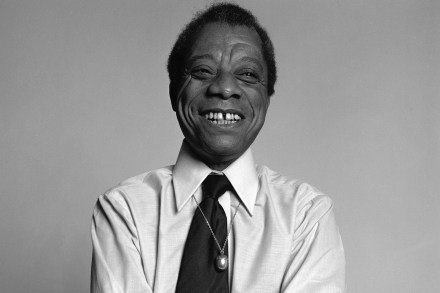
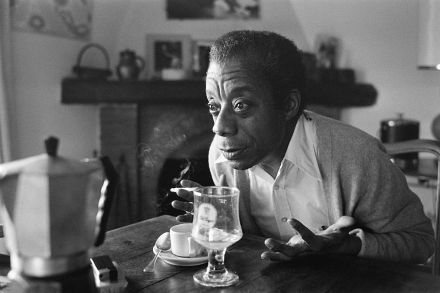
James Baldwin never wanted to be a symbol, but became one anyway: a stand-in for defiance, for beauty, for pain wrapped in elegance and for the entire weight of a country’s unresolved sin. Baldwin didn’t just write about America – he exposed it: the good, the bad and the ugly. He told the truth, even when it hurt. He didn’t soften the edges. What he never quite got, in his lifetime, was intimacy on the page about his own life. Biography existed around him, but he was rarely at the center of it. If we see him now, we see a man who smoked too much, drank too much and who sometimes ran from both his lovers and himself – rather than what he was: an intangible literary icon. Nicholas Boggs tries, in Baldwin: A Love Story, to give us a more rounded picture of the author.

Baldwin

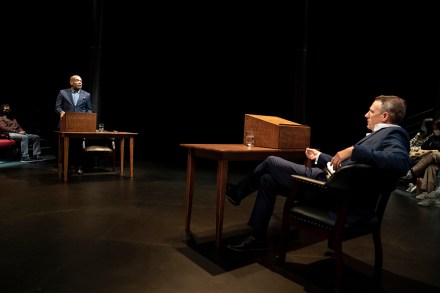
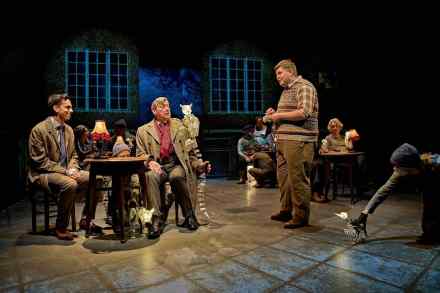
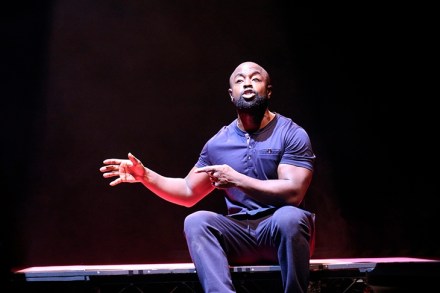
Baldwin and Buckley clash on the New York stage

It’s fair to ask what James Baldwin would have made of Baldwin and Buckley at Cambridge, the Public Theater’s recent presentation of his famous 1965 debate against William F. Buckley Jr. It’s not that the show doesn’t strain mightily to champion Baldwin in the contest — it does — but the novelist viewed what he called “problem” or “protest” art with particular scorn. This was a writer who torched fellow travelers Harriet Beecher Stowe and Richard Wright in the same breath for perpetuating, in his view, the same “monstrous legend” of racial inferiority. To call Baldwin an activist or a champion of civil rights doesn’t quite cover it: the man operated on a theological plane, aiming at spiritual transformation. His standards for art were notoriously exacting.

baldwin buckley

Forget White Fragility: here are 10 books America should be reading about race

This extraordinary summer of protest and upheaval has sparked the most pervasive and sustained interest in the question of what it means to be black in the United States that I have witnessed. The American people, it can be said in all earnestness, are finally having that proverbial ‘national conversation’ on racism. And yet, one of the more fascinating consequences thus far has been the emergence of White Fragility, a text written by the Italian-American academic and corporate consultant Robin DiAngelo, and How to Be an Antiracist, by the historian Ibram X. Kendi, as the two most sought after (by a wide margin) explanatory aids for understanding our moment. Both books posit race — and racial difference — as something real and practically essential.

Anti-Semitism