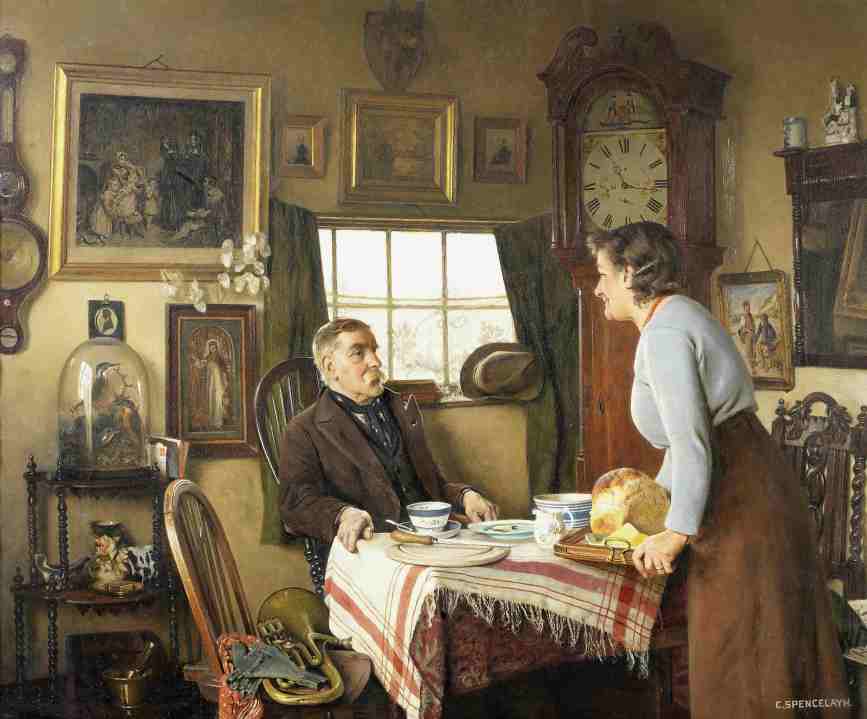
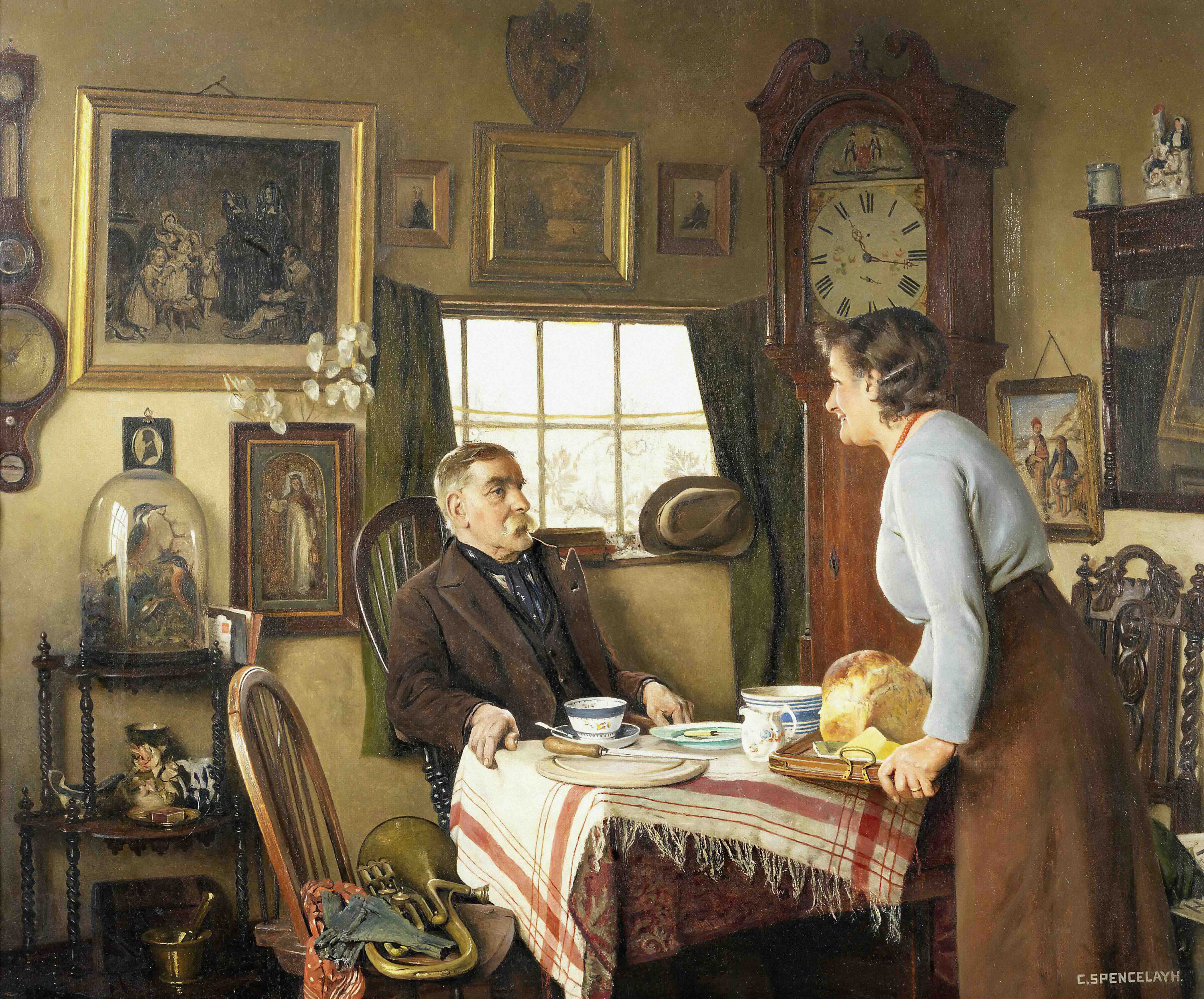
Join me, if you will, for a short stroll down the Charing Cross Road, back in the days when it was festooned with bookshops and Morris Oxfords. At Cambridge Circus, there was a large catering equipment shop owned by my great-uncle, Bill Farnsworth. He made it big when he sold water coolers to the American military. Above the enormous ground-floor showroom was his counting house, where men in tailored suits laboured over ledgers on high sloping desks, dipping their nibs into ink pots. This would have been about 1960.
Were you to have a meeting with Bill in his office, say in the late morning, he would invariably turn to his walnut drinks cabinet and offer you a glass of something reviving and strong; a sherry, port or brandy, perhaps. Armagnac? It’s very good. How better to discuss a delicate matter of business than with something that eases the conversation and warms you from the inside out? A glass of Graham’s vintage port beats an Excel spreadsheet any day of the week.
And that’s what was expected then; it’s what people did once upon a better time. Come 11 o’clock in the morning, or perhaps 10.30, you had elevenses. Even the word has pleasing, reassuring ring to it. There might be cup of tea and a frosted bun, or just as likely, a small glass of something refreshing: a sharpener, a livener – a little of bit what you like to raise the spirits on a cold winter morning.
I’m pretty certain that every James Bond from Sean Connery to Daniel Craig was offered a glass of something in M’s office. But offer a brandy or whisky to a colleague in corporate Britain today and they’ll report you to HR. As a result, instead of being presented with an extraordinarily good glass of Portuguese fino when you go to a meeting, you are now handed half a litre of weak, scalding coffee in a paper cup with a plastic lid that will cut your lip. As if that’s good enough. How Bill Farnsworth would have laughed in the face of a latte.
What happened, of course, is that in the 1980s and 1990s we caught the temperance movement from the United States: the one that ordained that water – sparkling or still? – was better served at business lunches than wine. If elevenses weren’t already dead by then, that’s when time was surely called. The City of London and Fleet Street held out longer than most on the liquid lunches, but water is now king. You can’t just blame the Americans, though: it was in 1970 that the Royal Navy scrapped the daily tot of rum issued to sailors, breaking a 300-year-old tradition.
But what good has this daytime sobriety done us? Are we happier? Are we better off? Consider Britain’s place in the world: during the centuries that we indulged in generous elevenses and moderate levels of daytime intoxication, we simultaneously enjoyed economic prosperity. From 1750 to the early 20th century at least, we were an engine of growth and innovation in the world – and every human being with wit to see it wished quite rightly to be born in these islands.
And yet when we get to the mid to late 20th century and give up our mid-morning grog, our growth and productivity either flatlines or falls off a cliff. I know that correlation is not causation, but could it be that despite what we think, the quality of our decision-making is not necessarily improved by all this sobriety? Perhaps it’s even made it worse. I know it sounds radical, like discovering in the 1950s that smoking isn’t good for your asthma. But might there be legs to it? After all, who isn’t a bit better at pool or snooker after a drink or two?
There might be cup of tea and a frosted bun, or just as likely, a small glass of something refreshing: a little of bit what you like to raise the spirits on a cold winter morning
Consider William Pitt the Younger, the man who was prime minister for 18 years, leading Britain and Europe’s efforts to contain Napoleon. He famously drank two bottles of port wine a day (albeit, as William Hague noted, the bottles were smaller then). He may have died at 46 from overwork and probably the booze too, but you couldn’t fault his decision-making along the way. In fact, he remains quite probably the greatest holder of that office to ever tread the boards in No. 10.
Ditto Winston Churchill, an inveterate drinker and a man who clearly did much of his best thinking with a tipple inside him. It was Pol Roger and not polls that got his little grey cells fizzing. Without his mid-morning tipple we might never had had ‘land ships’ (tanks as they became known), the French fleet might have fallen to the Nazis, and those speeches? Were they written entirely sober? Come off it. We didn’t have to fight the Nazis on the beaches of Kent because Churchill had already defeated them at the drinks cabinet. If it wasn’t for elevenses, we might now be living in a very different world.
So here’s a thought, one that is perfect for a January day where at least a certain benighted proportion of the population is forgoing alcohol. Let’s bring back elevenses. Let’s feel the warmth of a full-bodied sherry in the morning; let’s feel the harmonious burn of a fine Speyside malt. Let’s open our eyes to the world of opportunity that comes of having little of what we like, when we like.
I’m not talking about a lot – because we know that too much doesn’t improve productivity. I’m talking, probably, about a driver’s measure (while such things still exist), the kind of small sherry that would scarcely get a cat squiffy, but will put a spring in your step.
We could do a pilot, across Britain, or trial it in a specific town or county, to see if it actually improves economic output. We could have a media campaign extolling the virtues of a morning tipple and see what happens. You never know, it might do us the power of good; the tills would be ringing in pubs and off licences (remember them?) and it would bring workers in offices and elsewhere together over a warming glass. It might even put a smile on people’s faces, too. Wouldn’t that be awful?





Comments