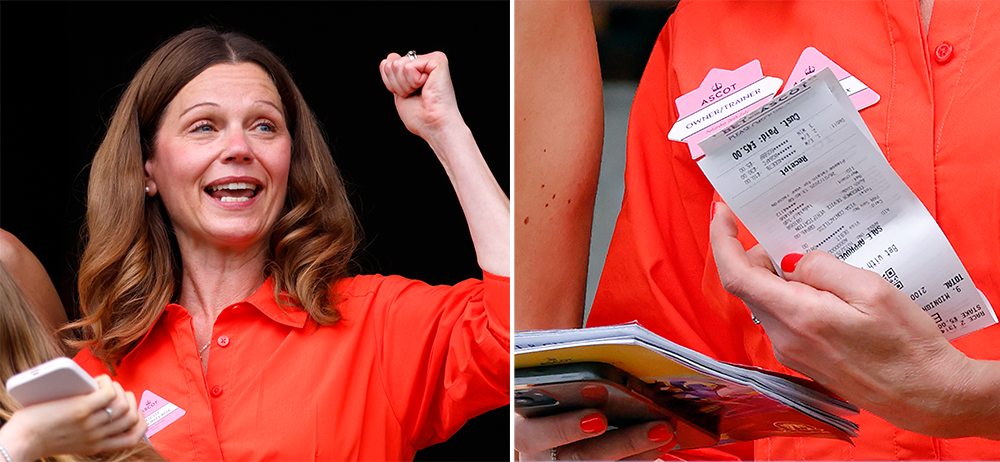
In July, Victoria, Lady Starmer was photographed at Royal Ascot, celebrating with friends after backing the winner of the Princess Margaret Stakes. Lady Starmer, whose grandmother lived near Doncaster racecourse, is a keen follower of flat racing, a passion she apparently shares with her husband. In 2024, the Prime Minister flew home from Washington D.C. to attend Doncaster’s St Leger meeting and told reporters: ‘There aren’t many better days out than the races in the sunshine.’
So it’s odd that Keir Starmer and his government appear to be doing all they can to kill off horse racing. Swingeing tax rises on the gambling industry, introduced in Rachel Reeves’s Budget, have left the sport, the second most attended in the UK, in a fight for its future.
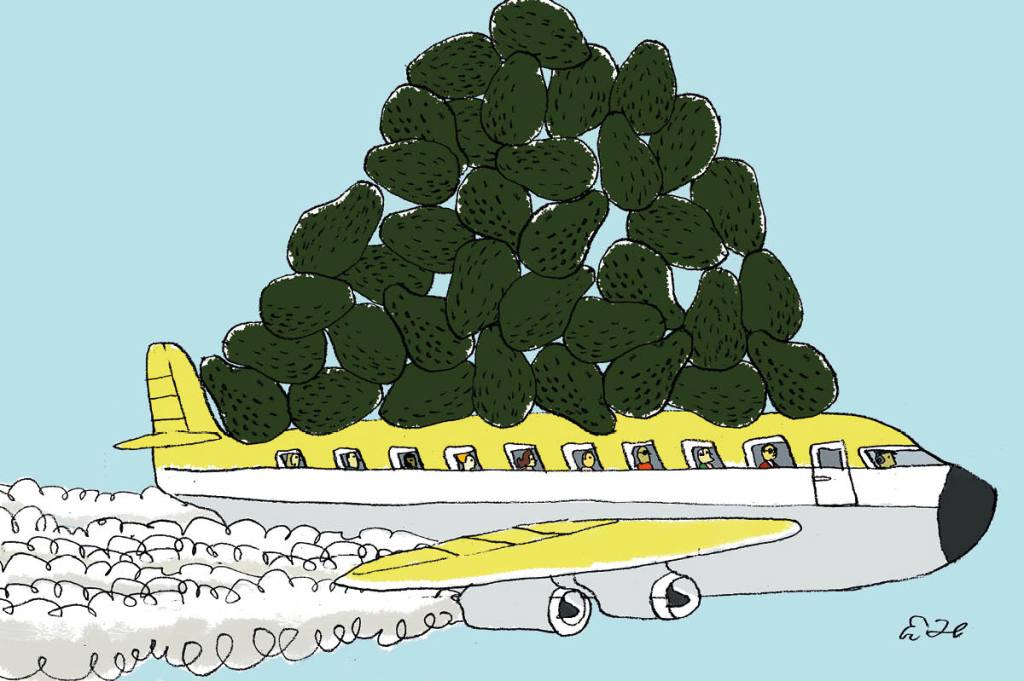
These short-sighted attacks on gambling – and by extension racing – are part of a broader crusade against pleasure. ‘Labour MPs I know are shaking their heads in disbelief,’ says a gambling industry source. ‘They used to care about the working class – now they’ve whacked another one of the things they love. You really couldn’t make it up.’
Labour will point out that racing is exempt from the tax hikes, which is true enough. But this demonstrates a fundamental misunderstanding of the relationship between gambling and racing. When one is hit, the other feels the pain – and there is plenty of that to go around. From April, remote gaming duty (RDG), paid on online casino betting, will rise from 21 per cent to 40 per cent, the joint highest in Europe. And from April 2027, a new 25 per cent rate of general betting duty (GBD), the tax paid on bookmakers’ profits, will be introduced for online bets. (GBD on racing will remain at 15 per cent.)
Less money invested in the sport will ultimately lead to fewer horses in training
The Treasury hopes these tax rises will bring in an extra £1.1 billion a year by 2029. But it will come at a cost. Flutter, which owns Paddy Power and Sky Bet, estimates the Budget will knock £400 million off its annual profits from next year. Evoke, which owns William Hill and the 888 online casino brand, saw its share price fall by 43 per cent in the days following the Budget. The company has now stated it is considering a sale or break-up of its brands due to the £135 million hit to its bottom line from the tax rises. As professional punter Neil Channing says: ‘If you want to get huge amounts of taxation out of the gambling industry, you need it to thrive.’
Bookmakers won’t just swallow their losses. And this is where racing suffers. To offset the hit to their profits, bookmakers will inevitably slash spending on sponsorship and prize money, close high-street stores (leading to thousands of job losses) and, perhaps most damagingly of all for the punter, offer reduced odds. All of this makes having a bet on racing less appealing. ‘Unfortunately people see a tax raid on business as a free hit,’ says Flutter spokesman Steve Hawkes. ‘It’s not and these taxes will have consequences on jobs, investment and sponsorship.’
With fewer people betting on racing, there will be a decline in the levy – a percentage of the profits made by bookmakers on horse-racing bets – which is put back into the sport. The £108 million in levy payments during 2024-25 simply cannot be sustained. Less money invested in the sport will ultimately lead to fewer horses in training, a problem exacerbated by the government’s decision to remove the 40 per cent business rate relief for racing yards from April. And so the downward spiral continues. ‘You don’t want to be betting on a three-runner race,’ says Channing. ‘I feel like racing is being quietly fucked from all sides.’
So why has the government decided to do this? Labour MP Beccy Cooper, of the All Party Parliamentary Group for Gambling Reform, claims that the gambling industry is ‘fuelling a public health crisis’, and that ‘tackling gambling harms should be at the top of our public health priorities’. But even in this context, these new taxes make little sense. A 2021 survey by NHS England showed that just 0.3 per cent of adults in England were ‘problem gamblers’; another 2.5 per cent were described as ‘at risk’.
Last month, in response to a question from Cooper in the House of Commons, Starmer said ‘harm from online gambling has surged’. In fact, the number of referrals to NHS gambling clinics remains low: roughly 30 per clinic per month. Labour’s tax rises could actually increase harm. There is real concern that gamblers will look to the black market for the odds and offers regulated bookmakers can no longer provide. ‘People will not stop betting,’ says another industry source. ‘Therefore the best way to protect them is in the regulated environment, which has spent years and millions of pounds – both as a requirement and voluntarily – to protect players.’ This is not just scare-mongering. In the Netherlands, when taxes on slot machines were raised to 34.2 per cent, the black market boomed. These operations are mostly based offshore, don’t pay tax, and have no checks in place to help problem gamblers access support.
Fundamentally, the Labour party cannot comprehend that gambling – and especially racing – is about more than profit and loss. As Lady Starmer knows – and the late Queen understood – punters are paying for an experience. ‘[It’s about] the buzz, the puzzle, the joy in being proven right and backing it with hard-earned cash,’ explains James Lovell, owner of DragonSports, a small bookmaker in Wales. ‘Or the social side – the collective ecstasy and sense of belonging you get on a racecourse or in a betting shop, cheering a win home with like-minded people.’
The tax rises in the Budget could be just the start. Emboldened MPs are pushing for an even more stringent Gambling Act to be introduced. By the time the Labour party realises what its broadside on racing has done, it might be too late. Bookmakers will close. Sponsorship will disappear. Punters will go elsewhere – and the levy will evaporate. Racing will limp on but it will be poorer and less competitive. And soon owners, trainers and racecourses will be asking if there is any point in even trying to continue.
If the Starmers return to Royal Ascot this year, they should expect a frosty reception.



Comments