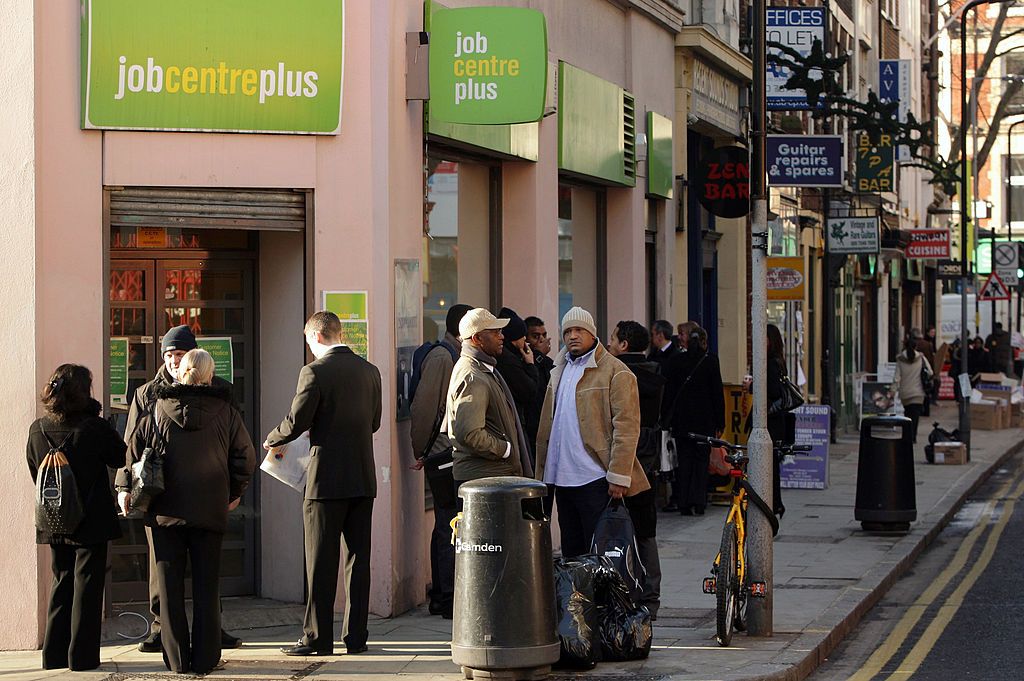
More than half of Labour MPs have a greater number of disability benefit claimants in their constituency than the size of their electoral majority. Some 58 per cent of Labour’s 366 seats in England and Wales have more people claiming personal independence payments (Pip) than Labour’s majority, according to a report in the Times. Pat McFadden – Secretary of State for Work and pensions – is one of those MPs. And, more than 100 Labour MPs have more individuals specifically claiming Pip for mental health conditions (e.g. anxiety, ADHD and autism) than their majorities. Is it any wonder that Labour MPs are expected to again revolt over plans to reform – however modestly – disability benefits?
The spiralling welfare bill risks bankrupting the country. And the electoral arithmetic is terrifying
Let us remind ourselves of the startling statistics: 4.1 million people (of which 3.4 million are working age) are currently claiming Pip in this country. The benefit is not means-tested and is worth up to £194 a week, or over £10,000 a year (tax-free). The largest category of claimants (39 per cent) are now those citing mental health afflictions and over over half a million people receive Pip primarily for anxiety, stress and ‘mixed anxiety and depressive disorders’ (let us save for another day the role doctors are playing in all of this). Never has it been more true that the UK has become a welfare state with a country attached.
There are two other relevant stats that came to light in the last 24 hours that are worth noting here. One is that the OBR has estimated that the Pip bill is set to nearly double, from £26 billion a year in 2024 to £45 billion in 2030. That means that the benefit will within a few years overtake the entire budgets of all but three government departments: health, education and defence.

Secondly, we have learned that one in six Universal Credit payments last year went to households with at least one foreign national. This amounted to a record £11.9 billion, of which £7.7 billion went to claimants out of work.
The spiralling welfare bill risks bankrupting the country. And the electoral arithmetic is terrifying. Labour’s coalition of voters – public sector workers, immigrants and benefit claimants – together could return Burnham to Downing Street. The gravity of the crisis is only heightened because we can see how unlikely Labour is to do anything to tackle this disaster. How could they possibly, when for over half of their MPs it would be turkeys voting for Christmas?
The only way out of this bind is drastic reform to make work pay, or the bond markets forcing Burnham’s hand. We cannot continue paying people to sit at home, or paying people benefits to top up their salaries – benefits that some in society get by gaming the system, while others go without for trying to do the right thing.
So much of the apparatus of the welfare state is irrational. Pip, as the name implies, is meant to compensate for the ‘extra costs that disabled people may face’ to help them lead active lives. But what extra costs does someone with anxiety face? If they are too afraid to take public transport they could buy themselves a car out their own pocket, like everybody else. Either people on Pip are in work, in which case it’s not clear why they need the extra benefit, or they’re not working, in which case the benefit is manifestly failing to achieve what should be its purpose, which is enabling them to get out and about and engage in working life.
The businessman Jim Ratcliffe said last week that the British government needed to get tough to deal with the welfare bill. And toughness is indeed the right word. The British state has become a pushover, allowing itself to be shaken down by everyone from foreign countries – see the Chagos deal and the continuing demands for reparations from the Caribbean – to migrants and indeed its own citizens. Increasingly I hear people adopt the line that it’s now every man and woman for themselves as they go about extracting whatever they can by fair means or foul. They know the state is too gullible to do anything about it.
We need the confidence to face down the shouty activists and charities. When Reform announced recently that it would require long-term unemployment benefit claimants who were fit to work to complete 20 hours of community work each week in return for their benefits, there were cries of ‘slave labour’ and heartlessness.
No. It is not slave labour if you are being paid in benefits, and there is nothing heartless about requiring people to give something back to their fellow citizens who are footing the bill. Besides, the kindest and most valuable thing you can do for someone who is out of work and struggling or refusing to get back into a job is to give them a bit of a push, giving them a reason to get out the house, engage with other people, and thereby build skills, confidence and their CV.
And boy is there no shortage of work that needs doing. A little walkabout past graffitied bus shelters and rubbish-strewn streets will quickly serve to identify a few jobs. As will holding for hours on end when trying to speak to HMRC.
Two centuries ago, in his Memoir on Pauperism, Tocqueville wrote of excessive state relief that it ‘breed[s] more miseries than it can cure’ and ‘will deprave the population that it wants to help and comfort’. An ever-growing class of people dependent on welfare will ‘dry up the sources of savings, will stop the accumulation of capital, will retard the development of trade, will benumb human industry and activity.’ He issued a prophetic warning of a state where ‘the number of those who receive alms will have become as large as those who give it.’
We have failed to heed Tocqueville’s warnings. But heed them we must, or we soon all be powerless against Labour’s client state.





Comments