Travel to Hokkaido, Japan’s northernmost island, and I imagine one of the last things you’d expect to find is a Frenchman making wine. But tucked away in Hakodate, Etienne de Montille, a ninth-generation winemaker from the 300-year-old Domaine de Montille in Burgundy’s Côte de Beaune, is challenging preconceptions about Japanese wine. The de Montille family has been synonymous with Burgundy for centuries, but Etienne decided in 2016 to try something different, setting up vineyards in both Hokkaido and Santa Barbara, California.

‘I was touched by what I saw,’ Etienne told the Japan Times last year. ‘[Unlike in France] where we have the proper winemaking infrastructure, there isn’t a formal school for winemaking in Japan… But the wine producers remain committed to making the best possible wines in very challenging environments. I asked a few of them, “How can I help you?”. They said it would be great if someone from Burgundy or Bordeaux could come over and share knowledge.’
While the de Montille project may seem like a very modern arrangement, it is actually a continuation of a tradition in Japanese winemaking. Château Mercian, Japan’s oldest vineyard, sent two vintners over to France so they could learn how to make wine from the Old World masters as early as 1870. Their descendants are still growing grapes for the winery.
In a move that is perhaps a hangover from such an early European influence, Château Mercian plants classic French grapes such as Chardonnay, Syrah, Cabernet Sauvignon and Merlot across its four vineyards in Yamanashi, Nagano, Akita and Fukushima, as well as the traditional red Japanese grape Muscat Bailey A. But it was Koshu that really piqued my interest.
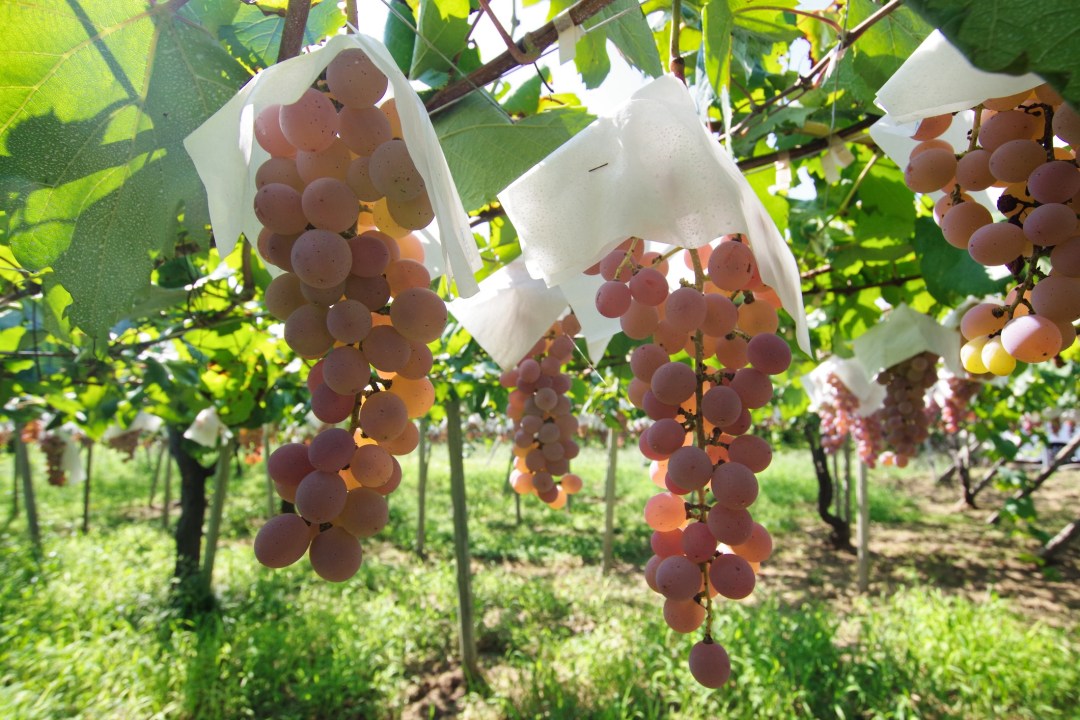
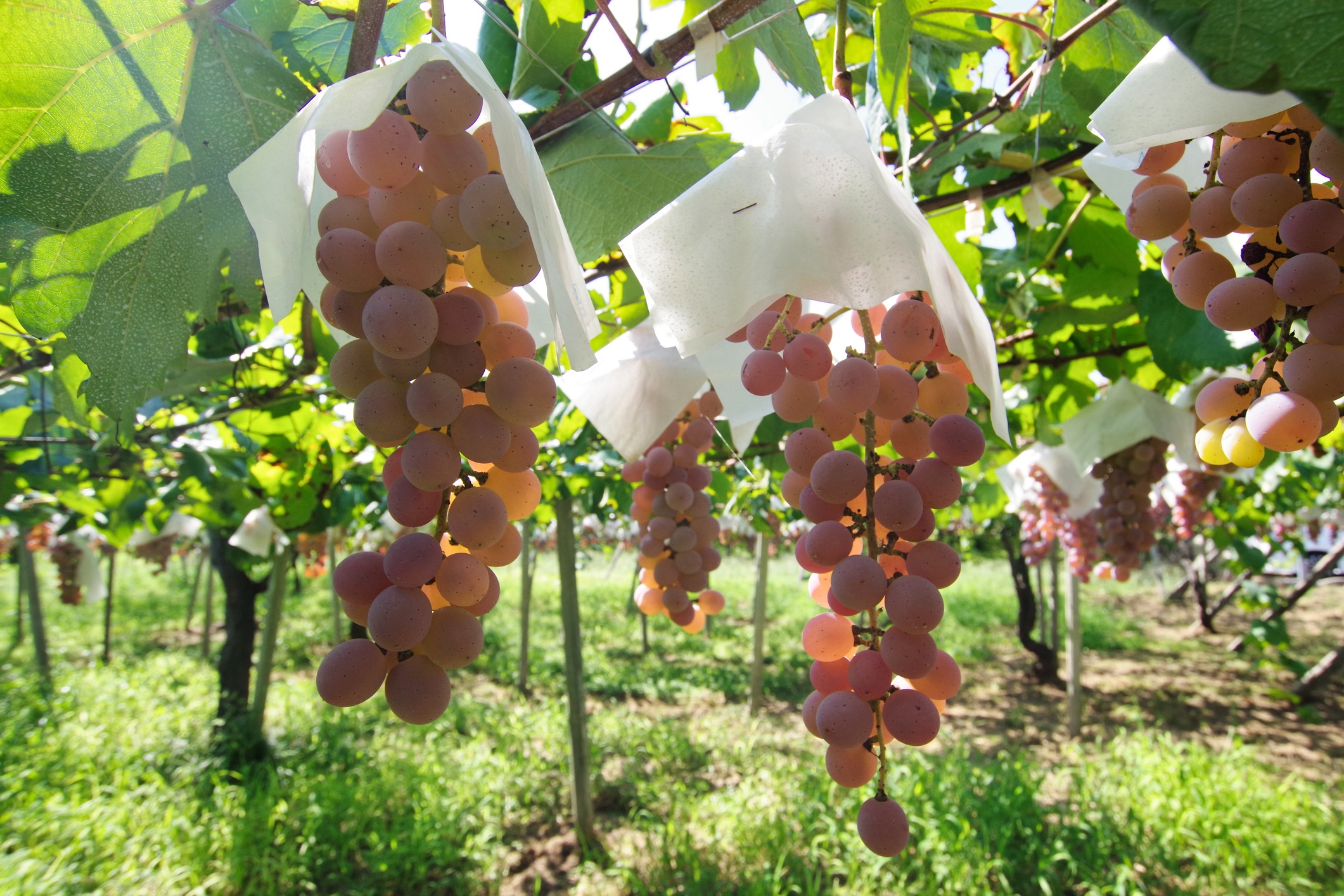
Koshu, which is a former name for Yamanashi, is a pretty, candyfloss-pink grape which hangs downwards from vines usually planted along pergolas in a traditional Japanese style of viticulture called tanashiki, which works to combat rot as the region sees a lot of rainfall. The wines it produces are incredibly light in colour – most look almost like water – and not very strong in flavour, either. After an initial sip, I thought I’d been duped by the delicate restraint of the bottles’ design and the western compulsion to revere everything Japanese without a second thought.
But I was wrong. Paired with food, Koshu takes on a transformative quality. During a dinner at LUNA Omakase, which has perhaps London’s best selection of Japanese wines, Château Mercian’s Iwade Koshu Ortum was pearlescent in the glass and smelled incredibly fresh, lightly of citrus and peach. Alongside sea bream and sea trout, both served with fresh wasabi that made my nostrils tingle, the wine lifted the flavours of the fish without overpowering it in any way. It’s the canvas for the chef to work on: neither thing is as good without the other. The Mariko Syrah was peppery and lapped at the back of my throat; the second Koshu was a little like an orange wine, tangy with hints of candied fruit.
‘If you were to design a country that’s terrible for growing grapes, you’d design something like Japan’
Perhaps the wine tastes even better because, like the slow, methodical preparation of the food, it’s been a labour of love to create it. Snow and grapes aren’t natural bedfellows. Hokkaido is known for its beauty as well as its ski resorts, with winter temperatures regularly dropping as low as -30°C, and Yamanashi sees significant annual snowfall. Japanese vintners have had to come up with ways to combat the weather: some cover individual bunches with tiny umbrellas or shields to keep rain from settling on the grapes and causing rot, or bury vines under layers of snow in the winter to insulate them before digging them up in the spring.
‘If you were to design a country that’s terrible for growing grapes, you’d design something like Japan. It’s really not ideal. It’s humid, it’s mountainous, you don’t get reliable sunshine, there’s lots of variation year-on-year, there’s lots of extreme weather with typhoons and things,’ says Jack Wild, head of business development at Boutinot, a small wine importer and wholesaler based in north London.
Less determined types might have given up by now. But Japan’s wine industry is booming: over the past ten years, the number of producers in the country has doubled to around 500, and demand for wines that come from outside the better-known winemaking countries is rising, too.
Wild compares Japanese wine’s newfound popularity to that of English wine: ‘Even ten years ago it was still very niche, but now if I do tastings, most people will have tasted an English wine. There’s absolutely a thirst for things that people haven’t had before.’ He adds that some of the classic French regions have become ‘prohibitively expensive’ so people are ‘happy to look for something that’s a bit more affordable from further afield’. There’s not much ‘further afield’ than Japan. And for a taste of determination, it’s a good place to start.




Comments