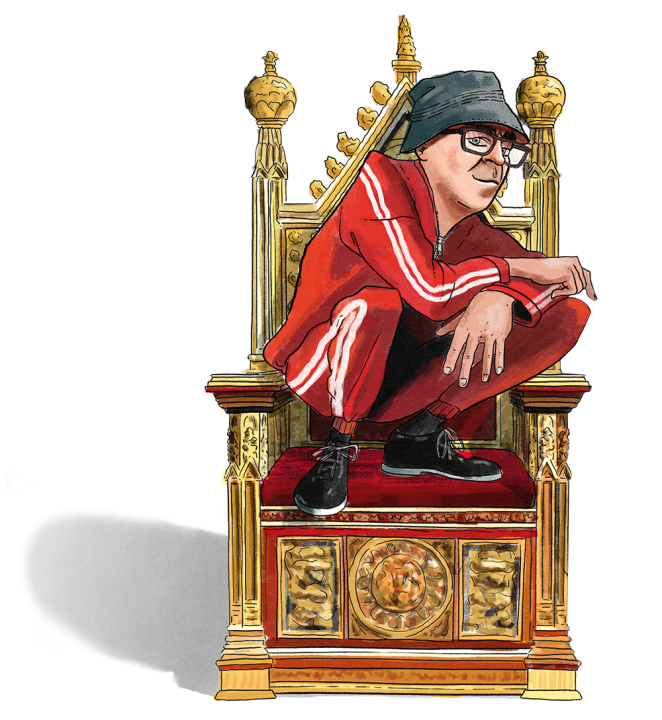


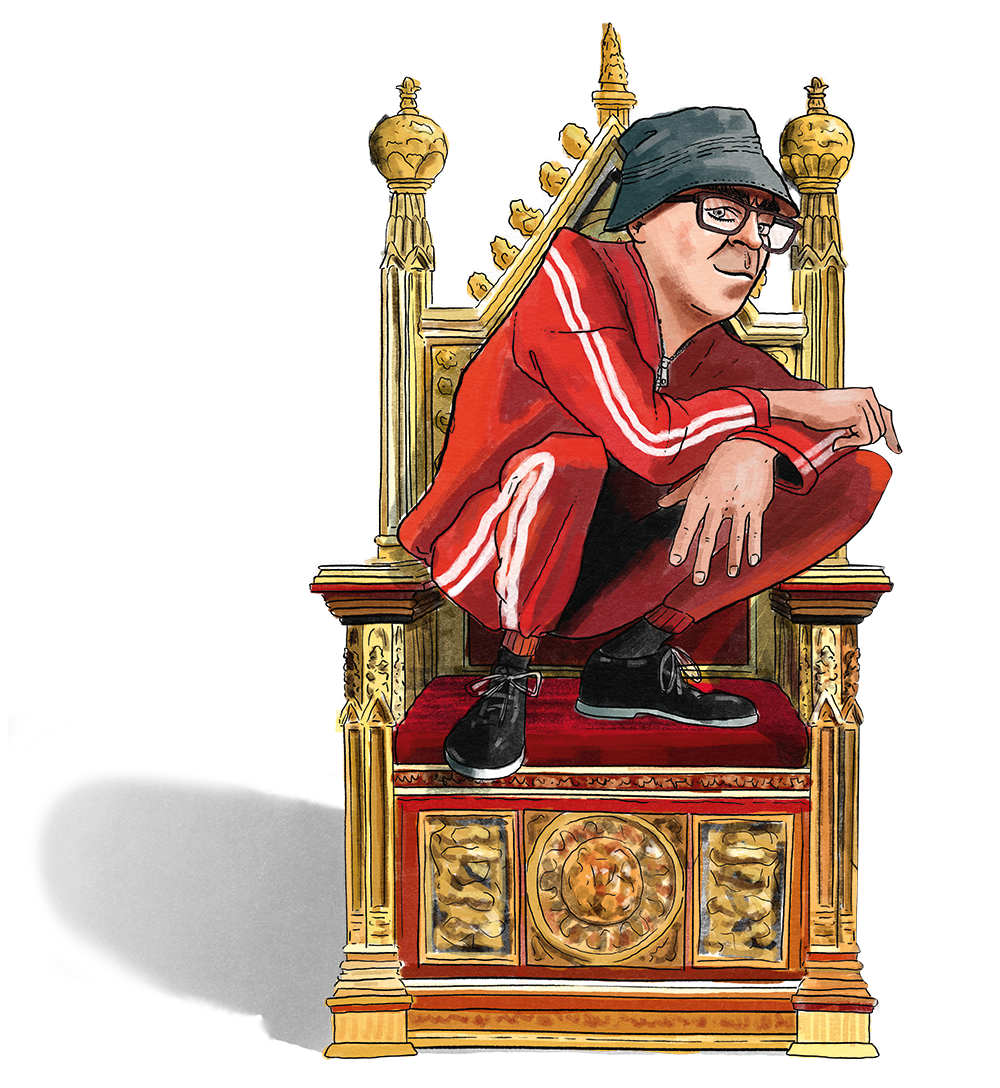
I have spent part of the past week thinking about imposter syndrome, and how we might be able to give it to more people. In an interview this week, Andy Burnham’s best friend Steve Rotheram, who happens to be the Mayor of Liverpool, said that our latest Prime Minister had struggled with imposter syndrome ‘for many years, like most people from working-class backgrounds’.
All of which leaves me slightly baffled. Surely, whatever your origins, if you have made it to Cambridge University in your late teens, got a job in Westminster in your early twenties, become a Member of Parliament in your thirties, have become a mayor, are best friends with a mayor and are now Prime Minister, it might be time to stop with the feeling of ‘imposter syndrome’? Unless, of course, you are an imposter, in which case you should have a huge dose of the syndrome, acknowledge it and remove yourself from public life. Which I am sure is not the case with Andy Burnham.
Ever-so-slightly chippy people have a superpower in life if they use their chip in the right way
Such talk is yet another example of the medicalisation and pathologising of what we used to call ‘life’. Do some people feel that they are in positions, or even rooms, in which they should not be, or in which they feel vaguely out of place? Of course. It is a syndrome commonly associated with the teenage years. But any sensible person updates their mental software as they go through life. The first time Burnham dined in hall as an undergraduate at Cambridge would have been the moment to stop thinking of himself as an imposter. The same with the early years of being an MP or even a minister in Gordon Brown’s cabinet. Surely there is a time in the seamless rise of Burnham when you realise that there are no rooms you are being kept out of? You are the room.
Yet there seems to be an inexorable left-wing desire to paint things in this light. The late John Prescott was a master at it, railing against the Establishment and all those toffs in positions of power while being the deputy prime minister.
Perhaps the example of Prescott is more a case of what we used to call ‘chippiness’ than imposter syndrome. But even chippiness is something that has a vaguely left-wing bent. I know quite a lot of chippy people. I can be a little chippy myself at times. But as I always say to people who complain to me about their chippiness, it is the sort of thing you can turn to your advantage. In my observation, ever-so-slightly chippy people have a superpower in life if they use their chip in the right way. If they decide that they’ve been held back, that they are a victim of the fates and that their life is essentially not in their own hands, then they tend to make a hash of their life. But if they use that little bit of flint it can become a superpower. I’ve certainly seen a number of people with a nice constructive little chip on their shoulder far outrun the sort of people who are pleasantly adjusted and at peace with the world.
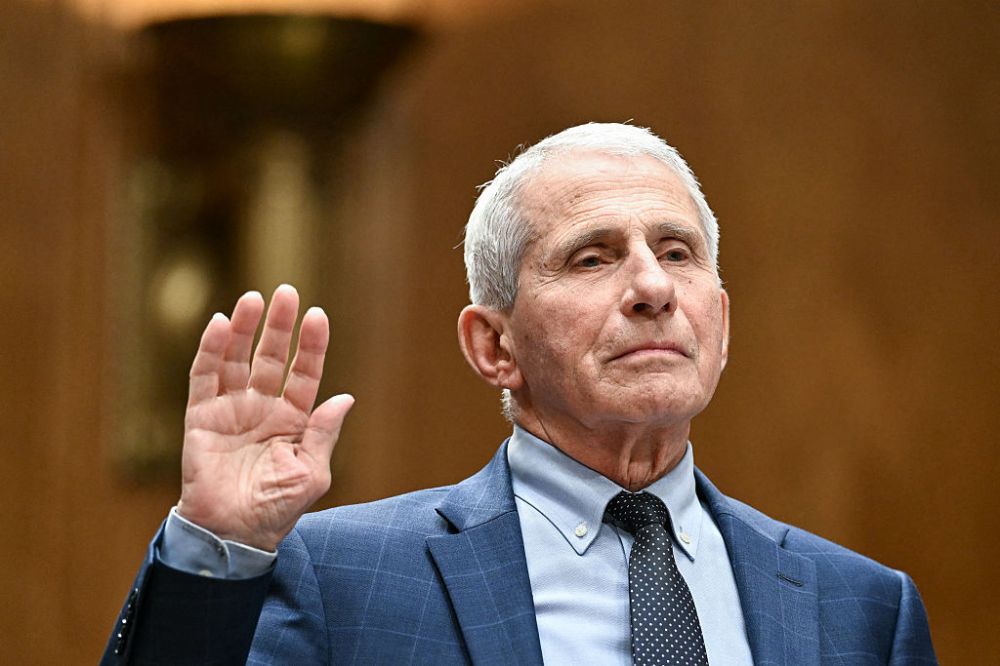
This brings me to the case of Natalie Fleet MP, who was appointed by Keir Starmer to be his minister for safeguarding. Just over a week ago she resigned her position, saying that once she started to get on top of her portfolio and read the cases of women who needed protecting, she found the contents ‘overwhelmingly triggering’. She announced that she could therefore not perform the task. Victims deserved someone ‘at their best’, she said, while describing resigning from being the minister for safeguarding as the ‘bravest thing I’ve ever done’.
As in the talk of ‘imposter syndrome’, my suspicion is that reactions to Fleet’s resignation will depend on your political leanings. Left-wingers seem overwhelmingly likely to sympathise with her, wish her well on her journey and say that she has been stunning and brave given her own past trauma. It reminds me of the reaction to the American gymnast Simone Biles, who withdrew from the Tokyo Olympics a few years back because she said she needed to focus on her mental health. ‘We’re human, too,’ she said of Olympians.
Then, as now, there were large numbers of people who applauded Biles. She had been brave in admitting her vulnerability, they said. In putting herself before her Olympic team, she had shown people how we should all prioritise ourselves.
Yet some of us have a slightly different reaction to such things. I personally think the job of an Olympian is to be more than human, to perform feats that make the rest of us gasp and to sublimate yourself to the greater task. Likewise, I think the job of a safeguarding minister is to focus on the traumas of others.
But this is not how things are currently weighted. Perhaps as an overreaction to the years of repression, we now celebrate anyone who shows their ‘vulnerability’, which is well and good, but only goes so far. At some point people also have to be good at things, whatever their circumstances or origins.

Which brings me, finally, to Angela Rayner. The Housing Secretary who didn’t under-stand stamp duty is back. In an interview with Trevor Phillips last weekend she was asked how being Housing Secretary this time is going to be different from the time before. She said this time the Labour government is going to build more council houses. Pushed for a number, Rayner managed to summon up the figure of 12,000, which didn’t sound like very many.
Then I checked the latest figures for small-boat arrivals and saw that more than 12,000 people have crossed the Channel illegally by dinghy this year alone. So if Rayner’s highest aspirations are met, in a few years’ time we might be able to house the people who arrived in recent months.
Again, my question is not just why some people experience imposter syndrome, but why so many people who should experience it do not.




Comments