
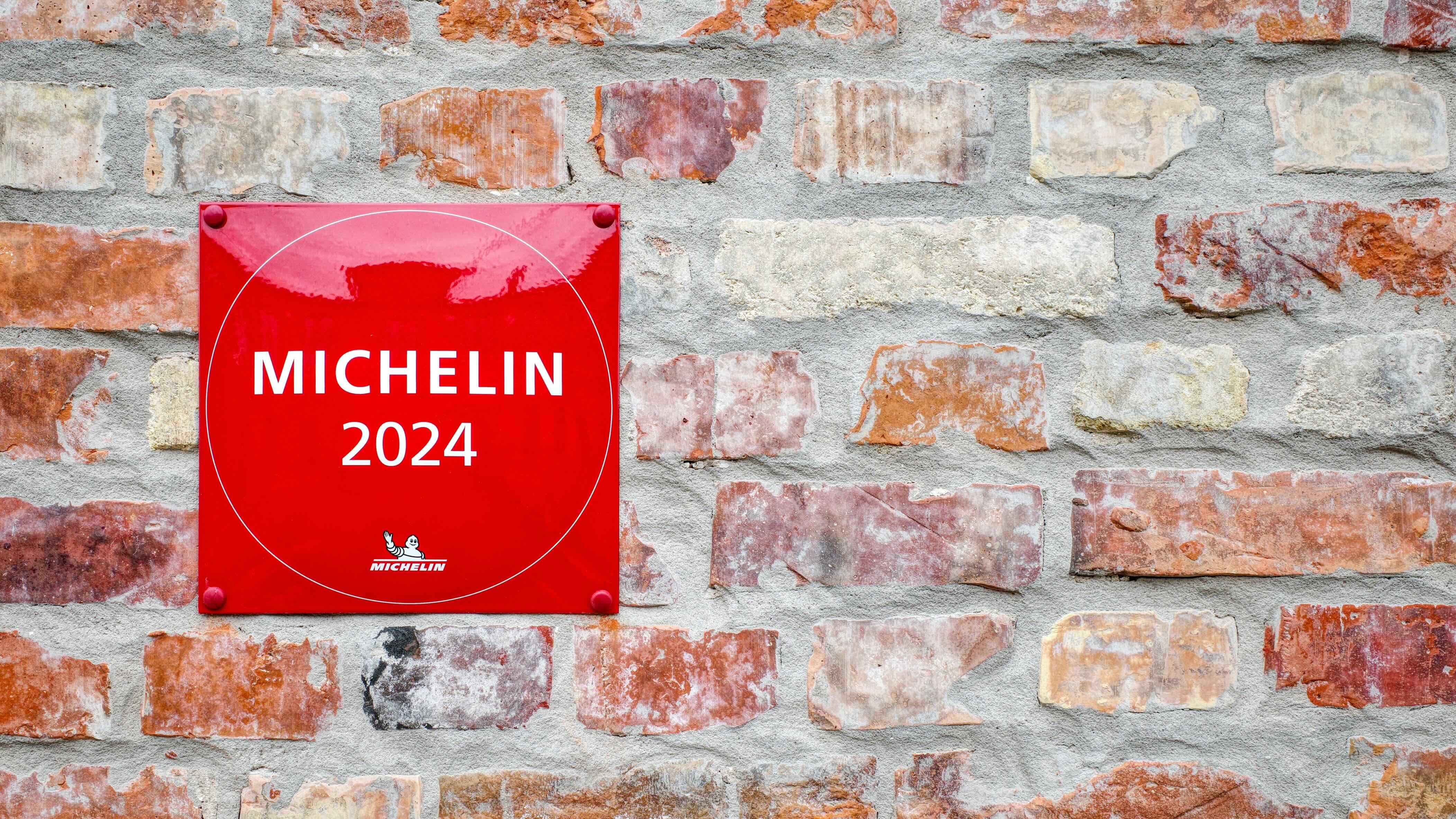
Michelin stars were pitted against hygiene scores when Gareth Ward, chef-patron of the two-Michelin starred restaurant Ynyshir, was recently given a hygiene rating of… one.

Ynyshir, which sits on the edge of Eryri national park near Machynlleth in Ceredigion, has held its second Michelin star since 2022, making it the first restaurant in Wales to receive two of the accolades. The restaurant offers a single 30-course tasting menu, to which changes cannot be made for allergies or preferences, at a cost of £468 per person. Its most recent food hygiene inspection found that its management of food safety required ‘major improvement’. The cleanliness and condition of facilities and the building also needed ‘improvement’, while their food handling was rated ‘generally satisfactory’.
A hygiene rating of one means that the restaurant is operating below minimum legal standards – although does not necessarily mean that it must close. In Wales, it is compulsory for restaurants to display their hygiene rating in a prominent place in the entrance or dining room (the same is not true in England).
Ward told the BBC that he was ‘not embarrassed’ by the low score, blaming the inspectors being uncomfortable with the use of raw and aged ingredients. ‘I’m buying sashimi-grade fish from Japan and they’re questioning, “Well, we don’t know the water, so how do we know it’s sashimi grade?” Well, it is sashimi grade, this stuff’s eaten raw all over the world and just because our rules don’t fit their rules, they’re questioning it… I’ve got a salt chamber for ageing fish but they obviously don’t like the idea of ageing stuff.’
Food critic Giles Coren, on Radio 4’s World at One, jumped to the restaurant’s defence, saying that health and safety standards ‘don’t really apply’ to places like Ynyshir. ‘They are clearly doing enough to prevent the spread of bacteria but if you imagine a hygiene inspector, in his white coat, with his pen in his top pocket, expecting to see a neat provincial fridge, I can see that he would lose his mind.’
The Chartered Institute of Environmental Health does not agree. The food advisory’s panel chair, Una Kane, said in a statement: ‘Many restaurants offer a unique experience for diners while meeting the standards of food hygiene legislation. It’s insulting to those restaurateurs to imply you can’t do both. No food business should see itself as above the law.’ She described the institute as ‘disappointed’ and ‘appalled’ by Coren’s views, which contain ‘common misconceptions about the purpose of food safety standards’.
‘If you imagine a hygiene inspector, in his white coat, expecting to see a neat provincial fridge, I can see that he would lose his mind’
It’s not the first time a Michelin-starred restaurant has received a poor hygiene score. Last year, The Sportsman in Kent was given a two-star rating after inspectors found ‘dirt and mould’ on the ceiling and walk-in refrigerators. In 2015, two out of the six Michelin-starred restaurants in Fitzrovia, London were ordered to take immediate action to comply with legal food hygiene standards, and the now-closed Dabbous was given a zero-star rating due to a pest infestation.
So is Coren right? Are these places simply ‘a different sort of world’? Are their methods beyond the comprehension of simpleton government officers? Well, no, obviously not. While you might expect that meticulous hygiene procedures would be in place in a kitchen that produces beautiful food, the two don’t necessarily follow – and pitting Michelin inspections against hygiene inspection is comparing apples and oranges. They’re completely different beasts. This isn’t a case of fuddy-duddy red-tape bureaucrats not understanding fancy cookery and insisting on procedures that compromise taste or creativity. And it’s clearly wrong to suggest that food businesses like Ynyshir that serve sashimi (a traditional Japanese technique of preparing raw fish) cannot demonstrate adequate safety: Taku, an Omakase restaurant in Mayfair, holds a Michelin star and a hygiene rating of five.
Despite the bluster, Ward acknowledged that the inspection was ‘not 100 per cent wrong’. The restaurant has since installed an additional hand-washing station in the fish preparation area. Ward admitted that Ynyshir’s paperwork was not ‘up to date’ but added: ‘Sometimes you miss stuff or sometimes you write stuff down wrong or forget stuff. I’d need a full-time office worker doing the paperwork to get it perfect every time.’ When you’re about to part with the best part of £500 for a five-hour, 30-dish extravaganza, up-to-date paperwork may not be top of your concerns, but this ‘paperwork’ is the backbone of risk-assessment in a high-risk industry.
The Food Hygiene Rating Scheme is operated between the Food Standards Agency and local authorities; businesses where food is stored, supplied or consumed receive a score from zero to five, based on food handling, management of food safety and the physical condition of the premises. At its heart, the score relates to risk management: it is concerned with traceability, understanding of hygiene procedures, staff training and documentation. The quality of the dishes served is irrelevant. Businesses need to be able to demonstrate that the methods they use to produce food are safe – irrespective of what those methods or foods are.
The risks in food-handling are real. In 2013, three-Michelin starred restaurant Noma in Copenhagen (which then held only two stars) was the source of an outbreak of norovirus which affected more than 60 guests. The investigation found that an employee had come to work while infected. Although the employee was symptom-free, internal procedures were found to be inadequate to prevent contamination. And in 2009, 240 guests fell ill after visiting the three-starred Fat Duck in Berkshire, due to contaminated oysters.
There is no suggestion that the areas in which Ynyshir was found wanting have caused any such outbreaks, but the point, surely, is that a Michelin star doesn’t make you immune from risk. Ynyshir is awaiting a reinspection – and some patrons may decide to wait just a little longer before making a booking.


Comments