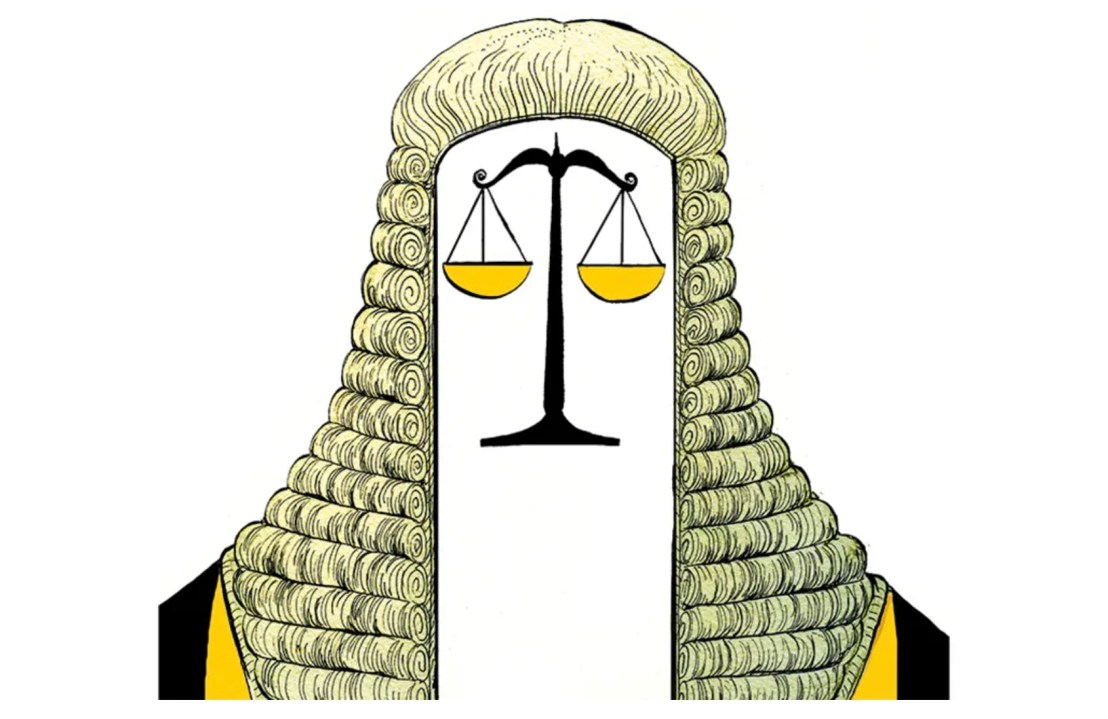
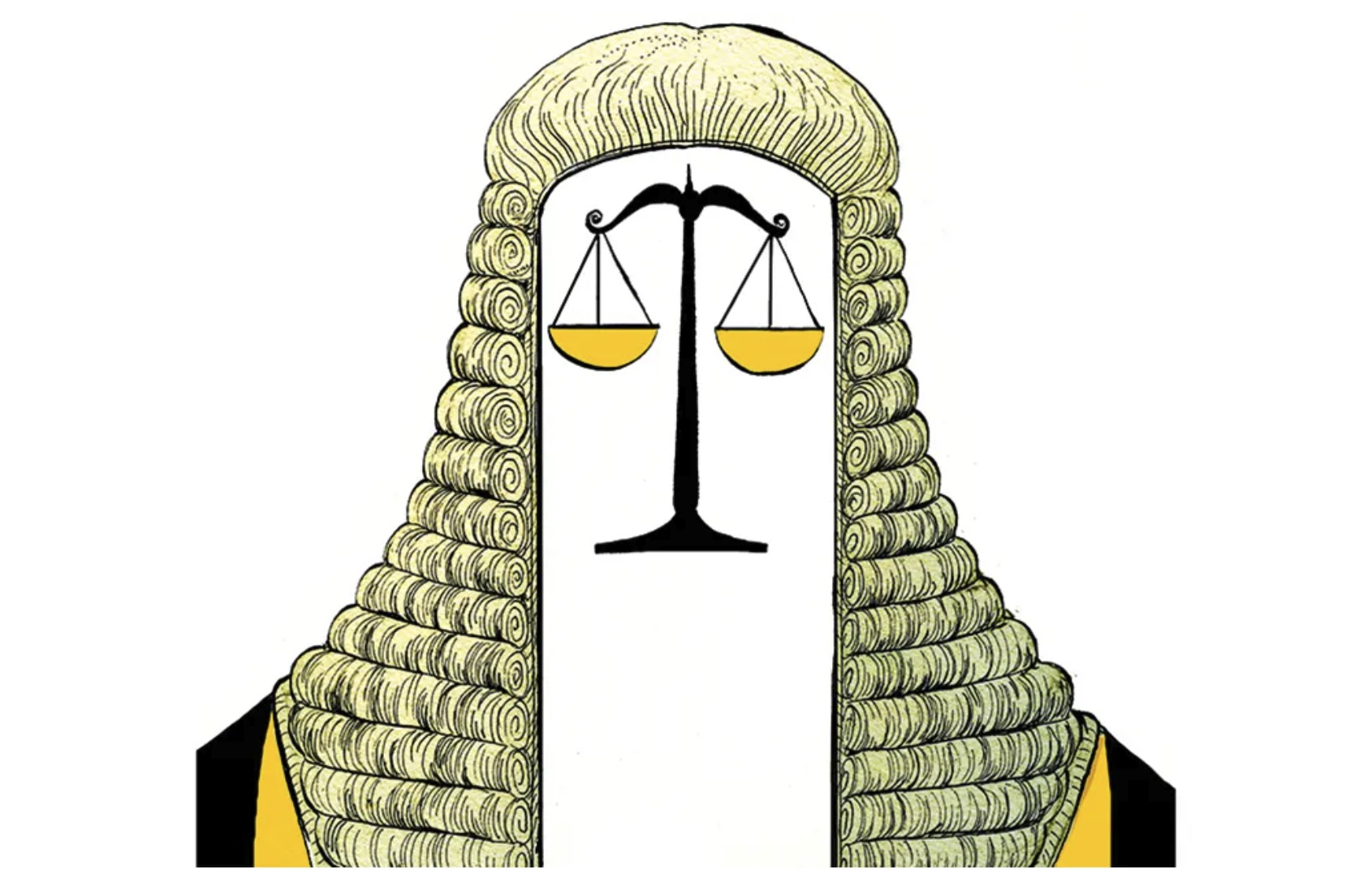
It feels, pleasingly, like a scene from a cerebral James Bond film, or perhaps an episode of Slow Horses. I am in a shadowy corner of a plush, buzzy Soho members’ bar. A mild December twilight is falling over London. Across the table from me sits an old acquaintance, a senior English barrister, greying, quietly handsome, in his mid fifties. And he wants to speak anonymously, because what he is about to say will earn the loathing of his entire profession.

Let’s call him James. I’ve known him for a few years, and over these years we’ve discussed all kinds of things, from politics to architecture to the misfortunes of Chelsea FC. We’ve also discussed technology and AI. James’s views of AI were always like his politics: centrist, clever, moderate, sceptical. But now that has changed. In the past few weeks James has come to believe AI will ‘completely destroy’ the law as we know it: wrecking careers, ending systems, making thousands jobless. And the Armageddon, he says, is coming faster than almost anyone realises.
As he sips an espresso martini, he prefaces his case with some context. ‘You saw the headlines about the Sandie Peggie case? Where the judge allegedly used AI? Well, believe me, this is just the beginning. AI is coming for us all.’
‘How?’
‘Last week we did an experiment, a kind of simulation. We took a real, recent and important case – a complex civil court appeal which I wrote, and it took me a day and a half. We redacted all identifying details, for anonymity and confidentiality, and we fed the same case to Grok Heavy AI. And then we asked it to do what I did. After some prompting, the end result was…’ He shakes his head. ‘Spectacular. Actually staggering. It did it in 30 seconds, and it was much better than mine. And remember, I am very good at this.’
He sits back, wry yet resigned. ‘It was at the level of a truly great KC. The best possible legal document. And all done in seconds for pennies. How can any of us compete? We can’t.’
He finishes his martini. We order two more. ‘With the right prompting, legal AI is now way ahead of people. Barristers or advocates who depend on giving legal opinions and have no client contact are already completely fucked. But more is coming.’
James believes AI will work its way up the legal hierarchy. First the gruntwork, then the drafting, the citation, the argumentation. Eventually the majority of legal jobs will be replaced. ‘Process lawyers are obviously doomed. AI will handle the most complex probate and conveyancing cases in seconds. The most complicated human skill will be,’ he chuckles, sadly, ‘to scan and digitise paper documents. Barristers will make arguments in courtrooms that are drafted by AI, and then people will wonder why they are paying human barristers £200,000, and they too will disappear.’
He concludes, pithily: ‘With rare exceptions, law is finished for almost everyone, maybe even the judges – as we’ve seen the past few days.’
I mention the problem of ‘hallucinations’ – when an AI model presents false or fabricated information as factual – and the need for a human face in court. The Sandie Peggie judgment allegedly contained AI-made errors. He waves this all away. ‘Temporary bugs and sentimental preferences. The economic argument is overwhelming.’
‘It was the best possible legal document. And all done in seconds for pennies. How can any of us compete? We can’t’
There is another obvious question raised here. If James can see what is coming down the line, why can’t everyone else? James knocks back his drink, and explains that the next generation of lawyers are being trained to believe they can use AI, without being replaced by it. They are comforted by the idea that AI is just another tool, like LexisNexis with better teeth. James is certain they are deluded. He says maybe 1 per cent of his peers have any idea what is about to happen.
He has another argument, even more pressing. ‘Lawyers are arrogant. Lawyers run the country. Keir Starmer is a quintessential lawyer. So these are people used to being respected, and they commonly have, let’s say, very high self-esteem. For them to admit they aren’t so special, at all, and that they can be replaced by a free robot, is going to be torture.’
I ask what he thinks this will do to his colleagues – psychologically, economically, emotionally. ‘At first, they will fight, like radicals. A losing battle. There will be attempts to outlaw the use of AI in various legal areas. But it won’t work, the economics will see to that. So lots of people who make a lot of money will, suddenly, not make that money. God knows what that might do to property prices, to politics, to all of us. Because it won’t just be the law.’
We are nearly at the end of our second martinis. I am now sufficiently unnerved to want a third. I look around at the sleek, clever people in this posh London drinking hole, with its elegant modern British art, its very excellent wine list. What happens when the ecosystem that supports all this – rich metropolitan people using their capable brains – is shaken to the core? Or collapses?
James seems surprisingly cheery, given his theme. ‘To be honest, a lot of lawyers deserve what’s coming. Too many of them are greedy, selfish – yet not self-aware. They create complexity purely so they can make more work for themselves. And activist judges are a curse, which will soon be lifted. Maybe in the end this will all be a good thing, even if 100,000 unemployed barristers will be…’ He laughs. ‘A bit destabilising. Think of an army of penniless, pompous, progressive lawyers – with nothing to do.’
The club is now loudly buzzing, and James is heading off for dinner with colleagues. ‘Obviously, I’m not going to say any of this to them. They would hate me. But someone has to be honest.’
I have one last question. Right now, young people are studying law, or considering doing so. Does James have any advice? He sits up, full of passion.
‘My niece is a lovely girl, really smart, great at school, and the other day she told me she wants to be a lawyer. And I thought, “Oh my God, my little niece wants to be a lawyer”, and I flat out told her. I said please do not destroy your life. Do not get into a lifetime of debt for a job that won’t exist in ten years. Or less.’




Comments