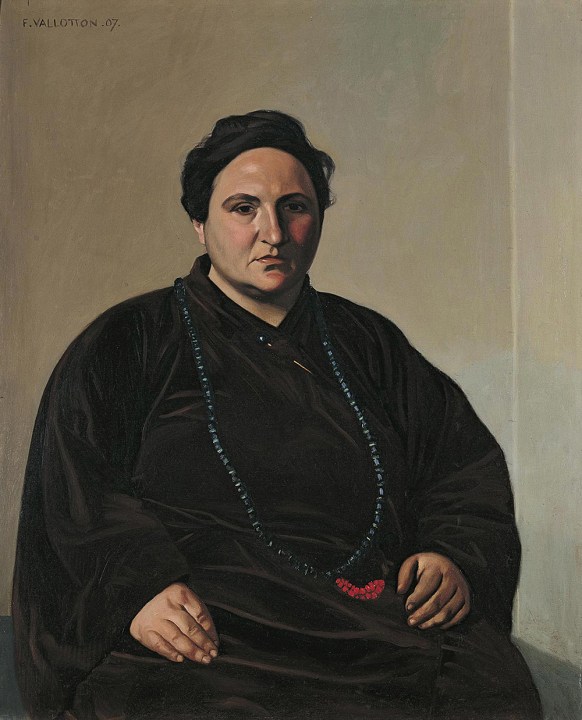
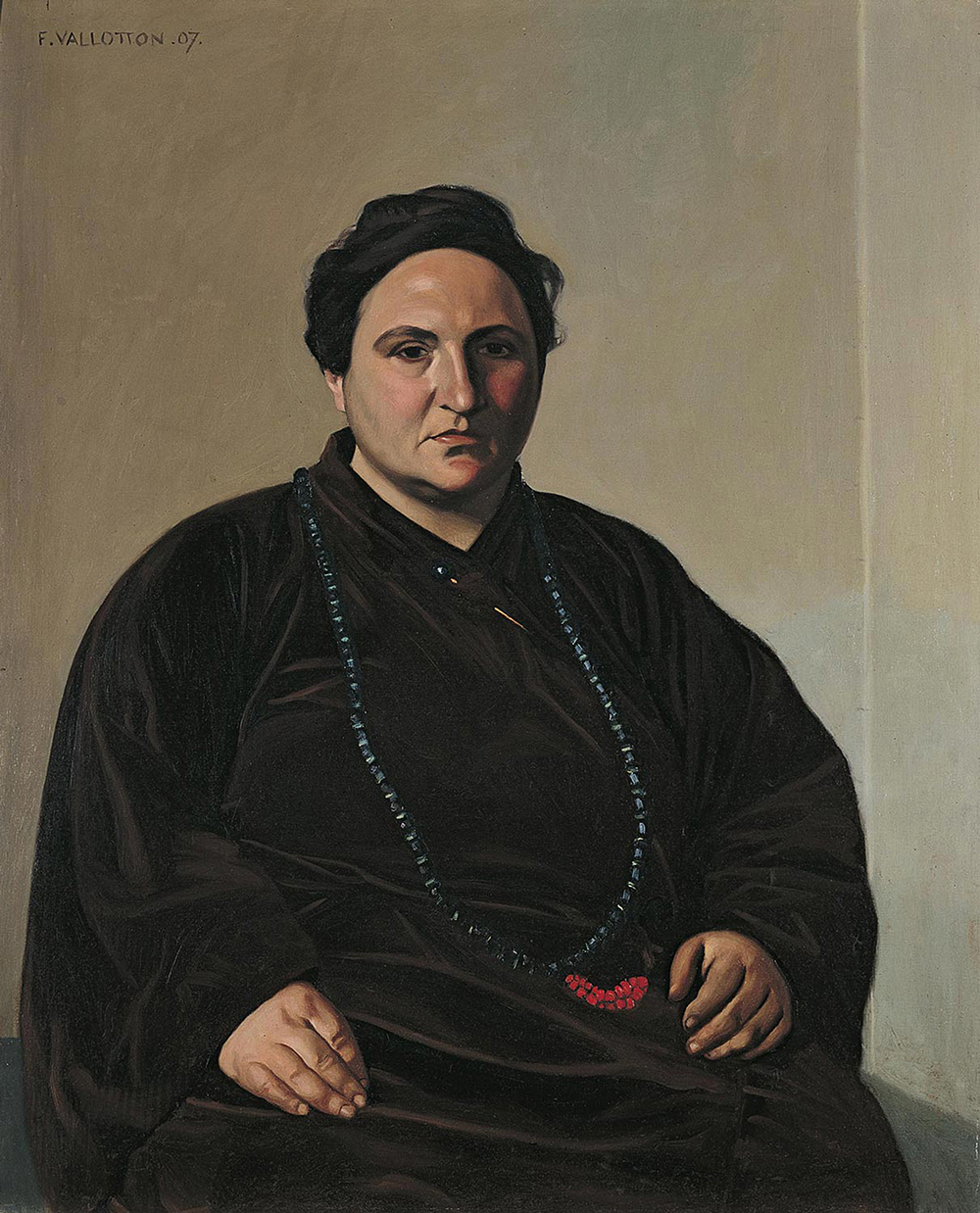
In a 2013 interview, Deborah Levy said: ‘Modernism is the soft typewriter of the womb that made me.’ But what made Modernism? My Year in Paris with Gertrude Stein is Levy’s attempt to answer the question. In this novel, an unnamed narrator from London moves to Paris to write an ‘essay’ on Stein, the American patron of the avant-garde. There she meets Eva, an enigmatic illustrator whose blue eyes make everyone go ‘Awww’, and Fanny, a fashionable finance consultant with a thriving sex life. As the three search for Eva’s missing cat (originally called It and renamed Bob by Fanny), the narrator chases after Stein’s many trails but struggles to bring her into focus.
Stein’s influential contemporaries, from Isadora Duncan to Georges Perec, Virginia Woolf and many more, come alive on the page, along with their partners and advocates. The city in the background is nominally present-day but at times deeply suffused with the 20th-century romance of Hemingway’s A Moveable Feast – as in this sentence: ‘Meanwhile, rain was falling gently on Paris, including on all its trees and statues and on every caress at a bus stop and on every kiss by a fountain.’ There’s a smattering throughout of unusual and enticing recipes, a homage to Alice B. Toklas’s bestselling cookbook.
As the narrator attempts to draw a coherent picture of her subject, we are told about Stein’s upbringing in a well-to-do Jewish family of immigrants to the US; her training in psychology under William James (the brother of Henry and the inventor of the expression ‘stream of consciousness’); her domestic life with Toklas and their dogs in Paris; and her role in launching such modernist artists as Matisse, Picasso and Braque.
But becoming famous herself took Stein 59 years, and she was ashamed that her Autobiography of Alice B. Toklas – which she considered to be ‘too understandable’ – was what brought it about. On the other hand, the more baffling work she was proudest of, The Making of Americans, was a flop.
Caught in a near universal predicament, the narrator admires Stein’s century-defining spirit, but finds reading her a struggle. As she tries to get ‘to the it of it’, she comes to realise that her profiling of Stein is doomed to be patchy, a Cubist assemblage of imperfectly fitting fragments of impressions rather than a smooth, Gainsboroughian representation. ‘How did she kill the 19th century? With her pen,’ is her half-awed, half-exasperated conclusion.
Dismantling language, Levy’s narrator understands, is how Stein made herself and culture new, how she broke free of the ‘corset’ and the ‘hourglass figure’. But the innovator’s task to invent radically without alienating her audience is a tricky one. Once you take apart what people know, how can they know what to look for? As one of the book’s epigraphs quips: ‘It is a joy to be hidden and a disaster not to be found.’
What Levy does best is ambiguity, and balancing soulfulness with bathos. But when ceasing to interrogate and beginning to overstate, her writing loses its usual poise. In lines such as ‘Like the rise of fascism everywhere, the pigeons were out in full’, she sounds like a parody of herself. Parroted oversimplifications on matters she hasn’t rigorously thought about (for example ‘ethnic cleansing’) defeat one of the book’s core ideas that the 20th century cannot be wholly understood – for Levy won’t make the same concession to the 21st.
Luckily the glib lines are few enough to be overlooked. What prevails instead is a brilliant sketch of what Stein termed a ‘lost generation’ and, most of all, an intelligent meditation on the peculiarly modern impossibility of truly knowing one another – or ourselves – and the imperative to keep trying.





Comments