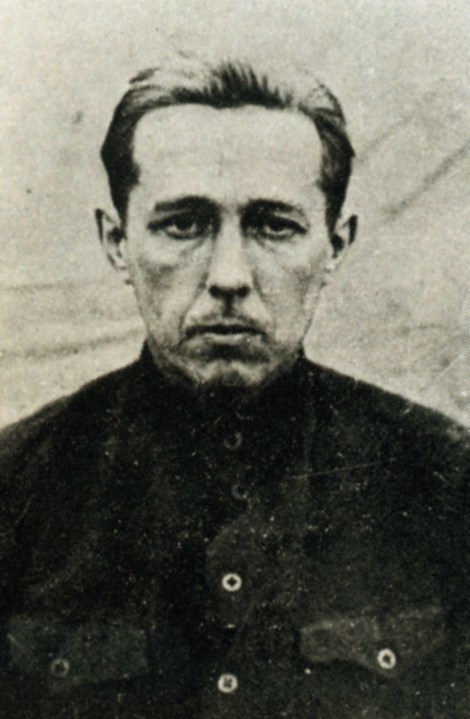
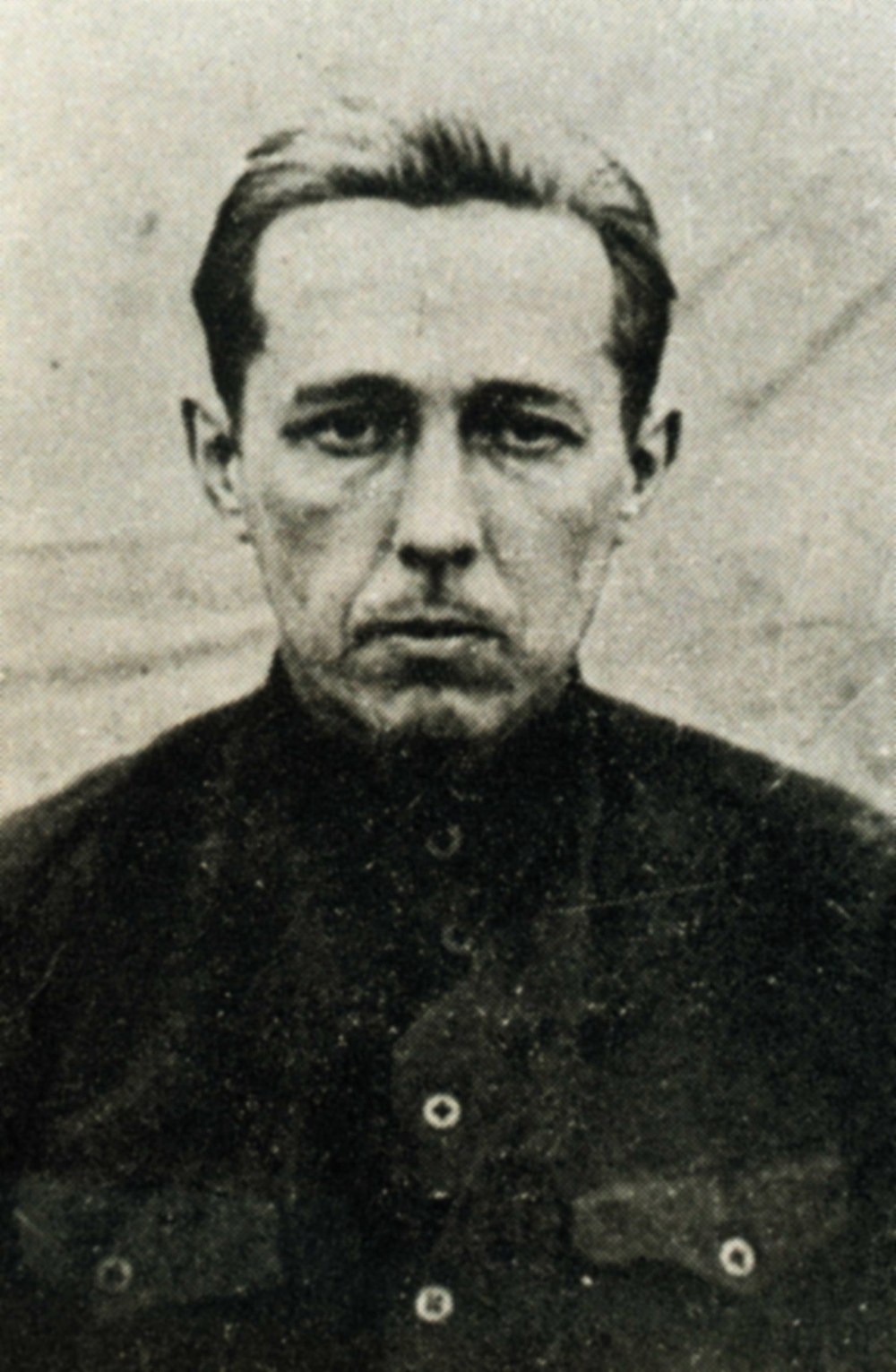
Aleksandr Solzhenitsyn began writing his first novel in 1948 while serving a prison term for ‘anti-Soviet propaganda’. In 1950, as punishment for insubordination, he was transferred to a labour camp. The manuscript was doomed, but a female prison guard who had had a relationship with Solzhenitsyn preserved and returned it after his release. Abandoned by the author after several attempts to finish it, Love the Revolution was first published in 1999 and is now available in English.
The story told here is autobiographical. The protagonist, Gleb Nerzhin (the namesake of another alter ego, who appears in Solzhenitsyn’s 1968 novel The First Circle), arrives in Moscow from Rostov in June 1941. The 23-year-old graduate is enthusiastic and proud to live in ‘the best of all lands, one whose historical crises all lay behind it’. The latter illusion is immediately shattered as the radio announces Germany’s attack on the Soviet Union, ‘a blow delivered by the colossal battering ram of History itself’. Nerzhin rushes back to his home town to enlist, but, despite the need for educated men in the army, he has to wait. All around him are chaos, panic and devastating news from the front.

In a manner typical of Solzhenitsyn, the third-person narrative often reflects the hero’s perspective. Five completed chapters are followed by fragments that break off mid-scene. Echoes of Tolstoy notwithstanding, this is no War and Peace. The future Nobel laureate has yet to master the power of prose. Read as a historical document, however, the text reveals facts he cannot stay silent about.
Having missed out on the revolution that shook Russia in 1917, Nerzhin has a romantic desire to distinguish himself in this war. ‘Raised from his school days onward not to see his own fate apart from that of the country,’ he is ready to die for it, while also desperate to see it ‘cleansed of the foul stench of the 1930s’. Millions are in the camps, yet ‘it is so easy not to listen and not to hear’. Can the war put an end to the terror and unite the nation? The answer becomes clear early on. The police continue grabbing civilians at random; soon Nerzhin is arrested for no reason except that the law enforcers are eager to prove their vigilance to their superiors. An acquaintance saves him from imprisonment and eventually he is called up.
‘A savage and bewildering stage of life’ begins for Nerzhin. The conscripts are driven away in trucks, with ‘no one in charge, not a single order, no food apart from what-ever each had brought from home’. When the hungry and exhausted protagonist is given some crackers, ‘a phrase from a prayer forgotten since his childhood years rose up in his mind: “Give us this day our daily bread”’. This episode anticipates Solzhenitsyn’s own journey from communism back to Christianity.
The revolution that has swept over his country is always on Nerzhin’s mind. The rest of the world, he fervently believes, is bound to embrace it too. Going to the war, he brings along a copy of Friedrich Engels’s Revolution and Counter-revolution in Germany but fails to get past the opening pages. Instead, he talks to peasants in his convoy, who tell him of having been forced into collective farms. The Bolsheviks had wanted to feed the masses; what they achieved was destruction and famine.
Billeted in a village not yet touched by the war, the convoy men are doing chores and freeloading off the locals. When, in another bout of state paranoia, the authorities order the soldiers to search the huts for weapons, Nerzhin is ashamed. ‘To make it to the front lines and die’ is all he wants, but even after he manages to leave his unit, his dream remains unrealised. Menial work is replaced by railway pandemonium, a logistical nightmare with no way out.
Solzhenitsyn’s plan, sketched out in the notes included here, was to depict his hero in battle – perhaps fictionalising his own frontline experiences – but he never got to that. Rather than fighting the Nazis, Nerzhin is struggling with bureaucrats, trying to persuade them to transfer him to where he can be most useful. Finally, a canny comrade slips a bundle of papers, including Nerzhin’s referral document, to their commander, who signs everything without looking: as expected, he doesn’t want to miss his lunch.
The war hasn’t made the Soviet land any less totalitarian, or its rulers any more dedicated to the great cause. Meanwhile, many ordinary citizens have long forgotten about regular meal times. At a train station Nerzhin witnesses starving evacuees from besieged Leningrad trading their clothes for food. ‘One young woman… received two warm potato patties for her pair of stockings – and ate them on the spot.’




Comments