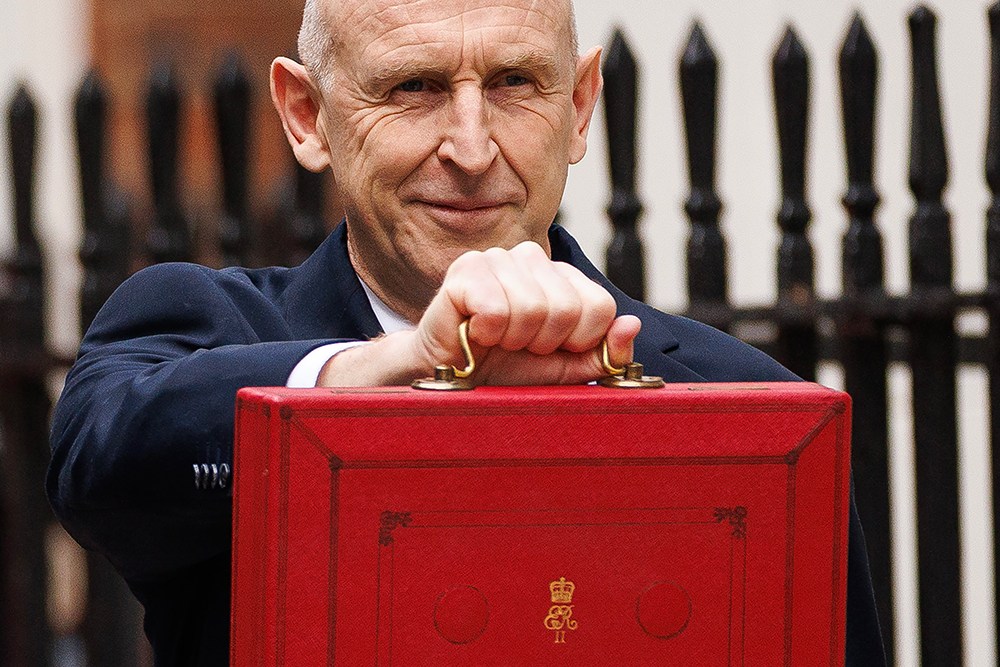
Ancient states did not produce ‘budgets’. Ninety per cent of Greeks and Romans lived in self-sufficient farming communities; the rest sought work in the cities. No one expected the state to provide them with ‘services’ except in the case of famine or natural disasters, while state budgeting played a role only when war threatened or an attack planned.
In 483 bc Athens’s miners at Laurium struck a massive vein of silver, and the Assembly decided to distribute it among the population. Then the far-sighted Themistocles intervened, suggesting it would be better spent on building 200 triremes with which to create a maritime empire that would rule the Aegean. The Assembly agreed. So successful was this that, in 447 bc, Pericles proposed to use the proceeds of empire to rebuild the Acropolis, with the Parthenon as its centrepiece. It was superbly planned but took its funds from the military budget. The Assembly called a halt. Pericles said he would fund it himself and the appalled Assembly quickly changed its mind.
The Romans had two separate treasuries. The aerarium, collecting taxes from the rich and provinces, was under senatorial control, while the fiscus was invented for the use of the emperor, drawing its income from his personal ‘imperial’ provinces, e.g. the fabulously wealthy Egypt. The booty that accrued from empire was staggering – everything from slaves to statues, livestock, horses, artwork, precious metals, jewellery and weapons. Many armies carried mints with them to turn metals straight into coin. All that required serious financial budgeting.
But how was the booty brought home? In early Rome, the Senate decreed the plebs should be paid for their military service. They were very resentful when they heard that they too would have to help fund it. It was only when they saw the wagons of the rich, heaped with bronze bars pulled by bulls lumbering towards the treasury, that they agreed to pay up in accordance with their census-determined status. All part of the budget for bringing home the imperial bacon, too…





Comments