Rome

Le Sirenuse: the loveliest hotel in the world

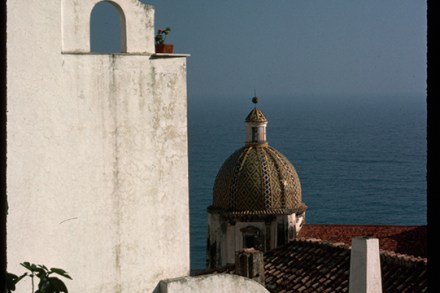
Look out from the balcony of your room at Le Sirenuse and you’ll see the trio of rocks jutting out of the Tyrrhenian Sea that gave the hotel, one of the last true greats in the world, its name. The three jagged islets form an archipelago, which is said by the Greeks to have been the home of sirens whose enchanting songs lured sailors to their deaths. Le Sirenuse, a scarlet palazzo wedged into the cliff-face of Positano, boasts similar powers of attraction. It is a sprawling manse with a wonderful restaurant, several bars, including a vinyl listening room, and 58 rooms and suites, many with sweeping views of the

Don’t bother visiting Rome

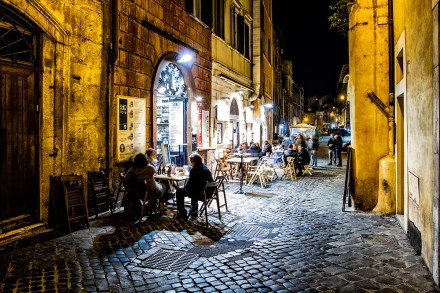
As a general rule, once a city erects turnstiles to tourist attractions which were once free to visit, it is time to go elsewhere. Never more so than in the case of Rome. Last week the Italian capital introduced a €2 charge to visit the Trevi Fountain. Tight-fisted tourists like me will still be able to see the Trevi from a distance – it happens to stand in a public street. The charge will be only for sad Instagrammers who want to get close enough to chuck their coins in the water. The city’s tourism department has suggested the fee is needed to manage the throngs of holidaygoers. Even then, God

The pedants’ revolt

The scene is the imperial palace on the Palatine Hill in Rome in the 2nd century. The philosopher Favorinus is waiting to greet the emperor Hadrian when a grammarian corners him and launches into a lecture on the grammatical qualities of the word penus, meaning “provision.” “Well and good, master, whatever your name is,” Favorinus replies wearily. “You have taught us more than enough about many things of which we were indeed ignorant and certainly did not ask to know.” A thousand years later, the Muslim polymath Ibn al-Jawzi tells of an Arabic grammarian, notorious for punctilious use of archaic language, attempting to negotiate with a carpenter. “What is the

Intellectuals pedants