On the morning of 19 July 1972, around 400 communist insurgents launched a surprise attack on the Omani coastal town of Mirbat, opening up with a mortar bombardment before advancing towards the defenders. Arrayed against them were just nine soldiers from Britain’s Special Air Service (SAS), commanded by Captain Mike Kealy, a contingent of Omani troops, and local fighters. This tiny garrison was outnumbered four to one.
During the next gruelling four hours, with support from airstrikes by Oman’s Royal Air Force, British and Omani troops would fight shoulder-to-shoulder in a pitched battle that would become one of the most famous in SAS history – a modern day Rorke’s Drift. Together, over the next four years, the two nations would defeat the insurgency and prevent Oman being lost to brutal Marxist-Leninist extremists.
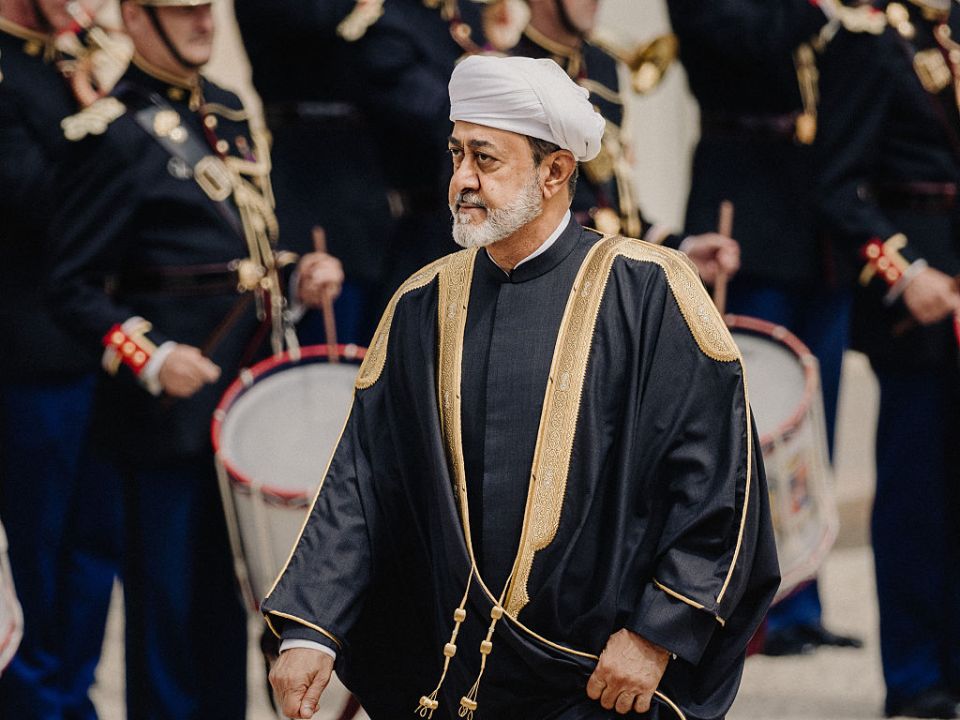
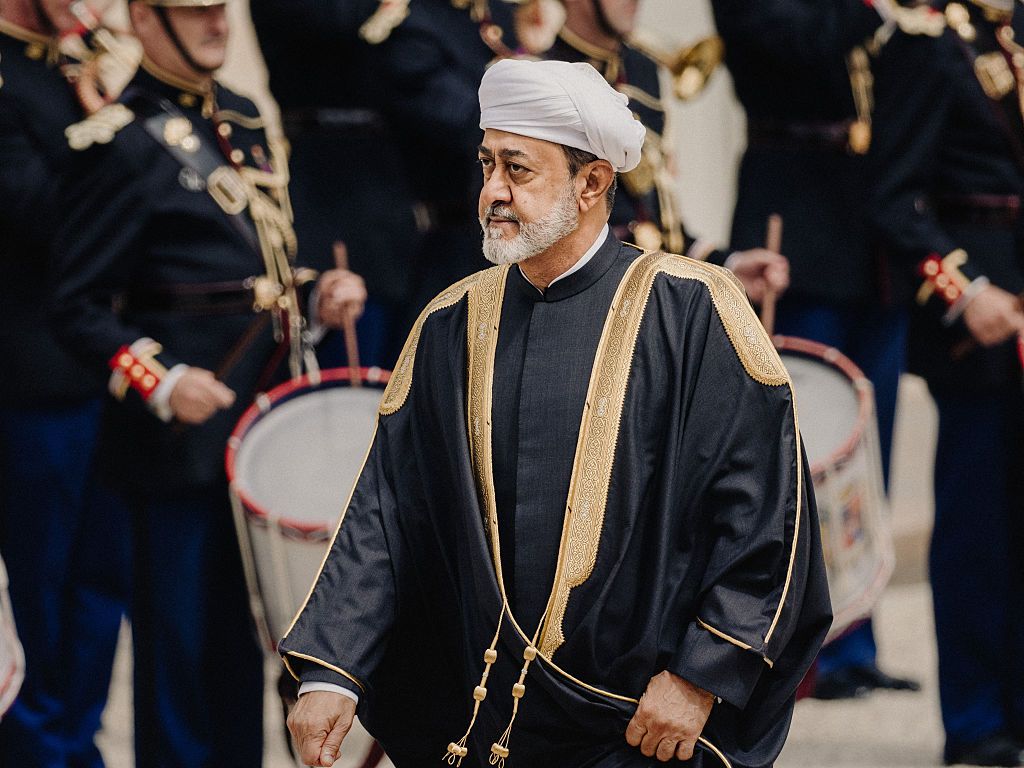
As Oman’s current leader, Sultan Haitham bin Tariq, comes to Britain this week for a state visit at the King’s invitation, it could be easy to neglect this shared history and fixate on our present-day issues as the driving force behind Britain rolling out the red carpet. With the Iran crisis putting pressure on Britain’s already sky-high energy prices, to a casual observer it might appear that we are laying on the pomp and ceremony in a cynical ploy to curry favour with the one state other than Iran which has sway over the Strait of Hormuz, all in a desperate bid to get bills down.
In reality, these state visits are such complex and elaborate affairs, often planned over a year in advance, that this latest one will have been in the works long before President Trump kicked off the Iran war back in February.
So, what’s really driving Britain to give Oman the Royal treatment? The Battle of Mirbat was just one of a series of joint actions in an alliance with Britain which stretches back nearly 230 years. Oman was the first Arab Gulf state to conclude a friendship agreement with Britain in 1798, reinforced in 1800 with the ‘Unshook Treaty’ which declared that the alliance should endure, ‘Till the end of time, and till the sun and moon have finished their revolving career.’
Beneath the lofty rhetoric, military cooperation is the hard power underpinning the relationship. Since the 1950s, Britain has helped train, organise and even command Oman’s armed forces. Oman’s long-serving former leader, Sultan Qaboos, and its future Sultan, Crown Prince Theyazin, both graduated from our Royal Military Academy Sandhurst.
In return, Oman provides Britain with a vital strategic position – a military foothold on the southern half of the Strait of Hormuz (one of the world’s most important shipping routes) and ports that provide access to the Arabian Sea and Indian Ocean.
Should Britain decide to take military action against the increasingly emboldened Houthis in Yemen once again threatening international trade, our Carrier Strike Group would most likely operate from the Joint Logistics Support Base at Duqm, on Oman’s southeastern coast. This custom-built, British facility provides replenishment, maintenance and repair for our naval forces and is designed to accommodate Britain’s Queen Elizabeth-class aircraft carriers, allowing us to maintain deployments east of Suez over extended periods rather than having to continually return to home ports.
Oman’s enormous expanses of desert provide the space the British army often lacks at home for training involving thousands of troops, armour and aircraft, and the climate to prepare British troops for combat in the Middle East. Saif Sareea, Arabic for Swift Sword, is a series of periodic joint military exercises by UK and Omani forces, one of Britain’s largest outside of Nato. For Saif Sareea II in 2001, Britain deployed 22,500 military personnel alongside 6,500 military vehicles, 21 navy ships, over 40 helicopters and nearly 50 fixed-wing aircraft – the most significant British overseas deployment since the first Gulf War.
As a mediator that tries to avoid getting drawn into foreign wars, Oman’s Swiss-style foreign policy based on ‘strategic neutrality’ and its insistence on talking to everyone equally has also made it an indispensable diplomatic sherpa to help guide Britain in dealing with the internecine conflict in the Middle East. Former foreign secretary William Hague has described how Oman’s Sultan was the first person he would call whenever there was a crisis in the region to gain an understanding of who was involved and why it was happening.
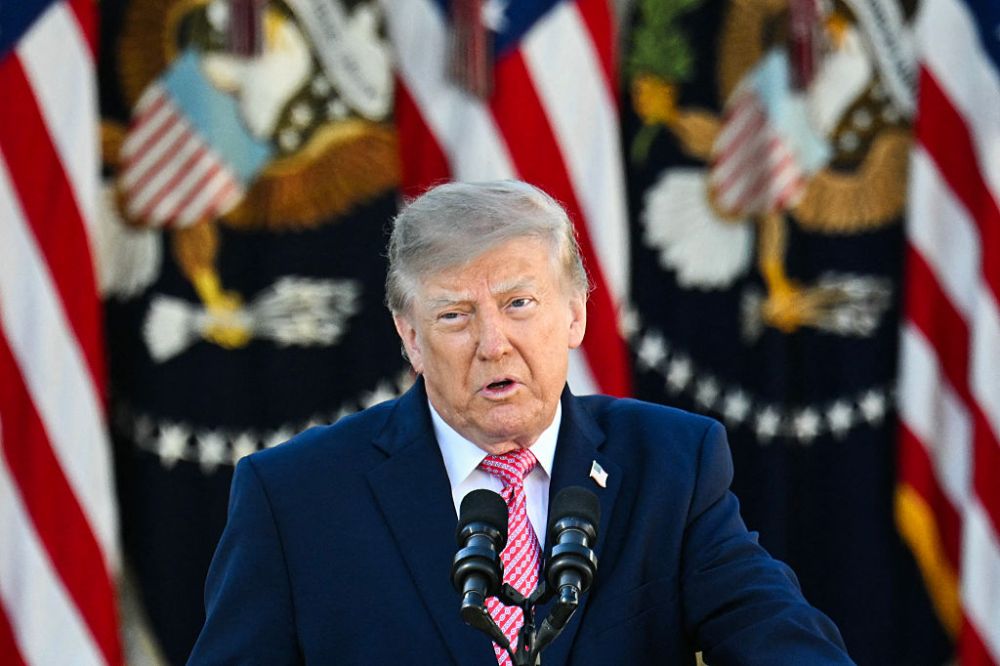
Such a pragmatic approach has seen the country become the primary Iran whisperer for the West for decades now, helping to broker the Iran nuclear deal in 2015 – a position not without risks. As the go-between, Oman has sometimes taken fire from opposing sides suspicious of its motives. Earlier this year, President Trump threatened to ‘bomb the shit out of them’ for negotiating with Iran over reopening the Strait of Hormuz.
The last imperative driving the state visit is Britain’s desperate need for growth, which has been weak bordering on stagnant since Labour took office. Britain needs to hitch its wagon to successful economies with strong upside potential – hence Labour hosting the United States and Qatar during the Starmer years.
Oman currently has one of the fastest growing and most resilient economies in the Gulf Cooperation Council. With no income tax, a competitive business environment, and very efficient development, Oman is on track to become a developed nation by 2040. The government will be trying to use the visit to deepen our trade ties and strike new economic deals, in the hope that some of that dynamism might help lift us out of the doldrums here at home.
While the fallout from the Iran war wasn’t the main issue prompting this trip, it has made Britain’s long relationship with Oman even more important. Any deal to reopen the Strait of Hormuz will need Oman’s in-depth knowledge of the caprice of the Iranian regime and its numerous internal factions to help to get it over the line.
With the Strait disrupted, the Gulf is also diverting significant trade traffic via overland routes through the United Arab Emirates and on to Omani ports as an escape hatch, making the country increasingly essential to international trade. This will make Oman a prime target for attack by Iranian drones and missiles if hostilities between the US and Iran resume after the US elections in November, as the regime tries to shutdown alternatives to its Hormuz shakedown. At which point, it’ll be a question of whether Britain will keep up its side of the bargain and send military support, or is Royal pageantry and a lavish supper at the palace all that we’re now willing to offer the ‘Unshook’ alliance?





Comments