Not dead, only resting. Of all the country’s fake parliamentary opposition parties, it is Russia’s Communists who are still showing signs – very, very limited signs – of still remembering that their job is sometimes to oppose.
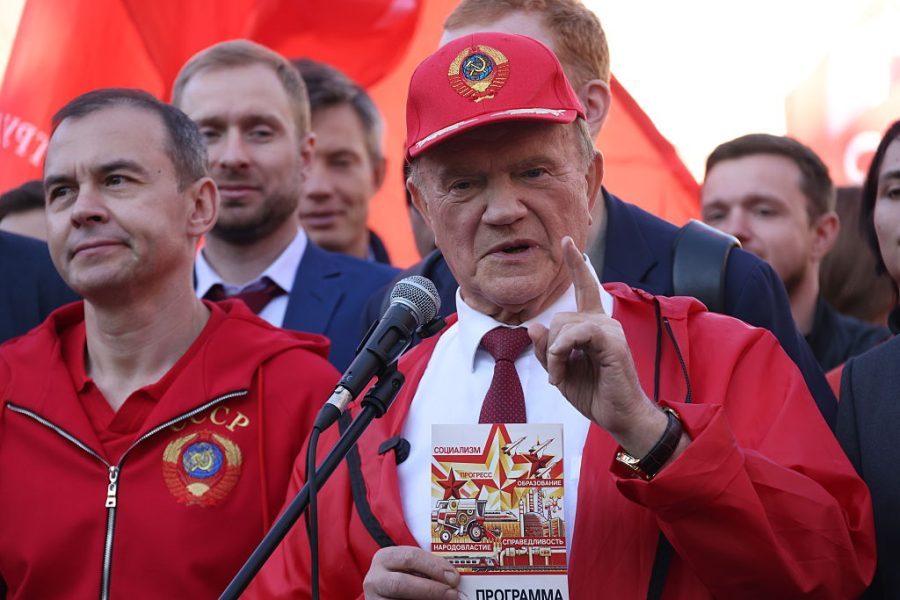
On Sunday, Communists and others gathered in Moscow to mark the 1993 ‘October Coup’, when Boris Yeltsin settled a constitutional face-off with an unruly legislature by shelling it into surrender. They were also protesting last month’s comprehensively rigged elections. When some began chanting ‘down with the Tsar!’, ‘we want fair elections’ and ‘down with the party of crooks and thieves’, the police moved in.
The latter slogan may well have been the most alarming for the authorities. It was coined by the murdered opposition leader Alexei Navalny and struck a chord with Russians across the country.
Many Russians, especially Communists, agree that they were robbed
Contrary to some foreign reporting, Russia is not some monolithic totalitarianist state. The elections are rigged, genuine opposition parties arbitrarily excluded, government critics harassed and imprisoned, and protests strictly controlled. But there is still some, albeit shrinking, scope for civil society.
So long as Vladimir Putin continues to want to maintain the legitimating fiction that Russia is a democracy, then some degree of debate and even dissent is necessary. Of course, there are strict limits, the least of which is any overt criticism of Putin himself. When things go wrong, it is never his fault but that of ministers, governors, or whichever other convenient disposable minion is to hand.
The main opposition parties represented in the Russian legislature are all house-trained. They know their role is to maintain the semblance of pluralism while supporting the government when necessary.
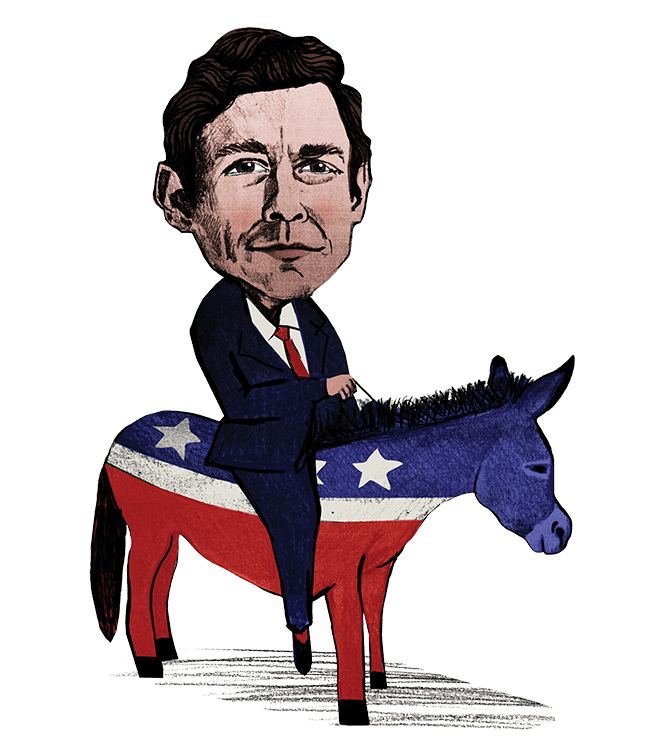
Of their leaders, the Communists’ Gennady Zyuganov has, in many ways, the most poignant and grotesque tale. The 82-year-old has been the general secretary of the party since 1993. In 1996, he probably would have won the presidential elections, had they not been rigged to keep Yeltsin in power. Since Putin’s accession in 2000, though, he has come to accept his role as the grumpy but compliant grandfather of Russian politics, living a comfortable life so long as he sticks to the approved script.
That’s not wholly true of his party, though. Although in the main, it is packed with cynical opportunists happy to play walk-on roles in the same familiar drama, there is still a cadre of members and activists who want to do more. Many, especially the younger ones, are hardly Marxist-Leninists but closer to socialists and social democrats.
Apart from the liberal Yabloko party, which was denied a place in the elections, it is the Communists who lost out the most through the fraud that delivered a record majority to Putin’s United Russia party. According to number crunching by the emigre newspaper Novaya Gazeta Europa, the real result would still have left United Russia the largest party, with 170 seats to the Communists’ 62, but well short of a majority of the 450-seat chamber.
One can quibble with the maths and the overall numbers, but there is a consensus among poll-watchers that this roughly reflects the real situation. Many Russians, especially Communists, agree that they were robbed. It was not just that votes were simply reassigned to United Russia, but many of their more capable and charismatic candidates were also barred from the poll on spurious grounds.
This poses a particular problem for Zyuganov. He is useful to the Kremlin only so long as he can control his party, but to do that, he cannot ride roughshod over the rank and file. At first, he admitted to misgivings but broadly endorsed the elections. However, he began facing growing pressure from within the party, especially from local branches. Some are launching legal challenges to the results. Others are holding small local protests. On Monday, Zyuganov issued an official statement which this time admitted that:
It’s absolutely clear to most voters: the official results bear little resemblance to the actual voting process… For anyone who values legality and fairness, the recent elections cannot help but bewilder.
Of course, Zyuganov is still trying to maintain a balance. By adding that ‘the plans of the fifth column and our enemies to sow a feeling of hopelessness in society will not work’, he tried to reassert his ‘patriotism’ while signalling that the party ought not take to the streets.
Let’s be clear: Russians are not about to take to the streets in mass protests, less yet topple Putin’s regime, especially in a time of war. Even if Zyuganov steps down, he will not be replaced by some revolutionary firebrand. However, it is a reminder that, whatever the pressure and propaganda, the embers of pluralism and civil society in Russia have not been entirely quenched.





Comments