An armed drone conveniently located near a Ukrainian cargo aircraft at Leipzig airport in Germany. Russian drones breaching the airspace of Romania and the Baltics, forcing both to scramble combat aircraft. A Russian airstrike landing dangerously close to a checkpoint near Poland’s border with Ukraine. An assassination of a dissident in the Spanish city of Villajoyosa. Arson attacks from the United Kingdom and France to Estonia. The list of Russian-sponsored grey-zone attacks on the European continent is long and growing by the day, and nobody in Europe seems to have a good idea of how to stop them.
The only thing the Europeans agree on these days is that Russian President Vladimir Putin, with few territorial gains on the ground in Ukraine, is increasingly expanding the conflict to Kyiv’s military supporters. French President Emmanuel Macron gathered the top candidates of the 2027 French presidential election for a meeting on the issue this month, warning that Putin’s attacks are bound to get worse before they get better. Polish Prime Minister Donald Tusk warned that Russia could soon lob missiles and drones into Nato territory to undermine the alliance’s Article 5 collective defence clause. The Danish intelligence service went a step further, assessing that there’s a possibility of Moscow attacking a Nato member state within a few months.
Diagnosing the problem is the easy part. Finding a solution, however, is much more difficult. Indeed, Russia’s grey-zone operations, which include everything from burning down warehouses storing defence equipment bound for the Ukrainian army to meddling in Europe’s parliamentary elections, are designed to cause havoc on the continent without the risk of launching a full-blown conventional conflict that, at its worst, would kill hundreds of thousands of people and possibly involve the use of nuclear weapons (three of Nato’s members are nuclear armed states). As much as Putin enjoys inciting the Europeans, he’s not insane enough to pick a fight with a military alliance in Nato that holds conventional and technological superiority – particularly when tens of thousands of Russian troops continue to lose their lives in Ukraine. The same can be said of Nato, an alliance that hasn’t fought a great-power war since its establishment in 1949.
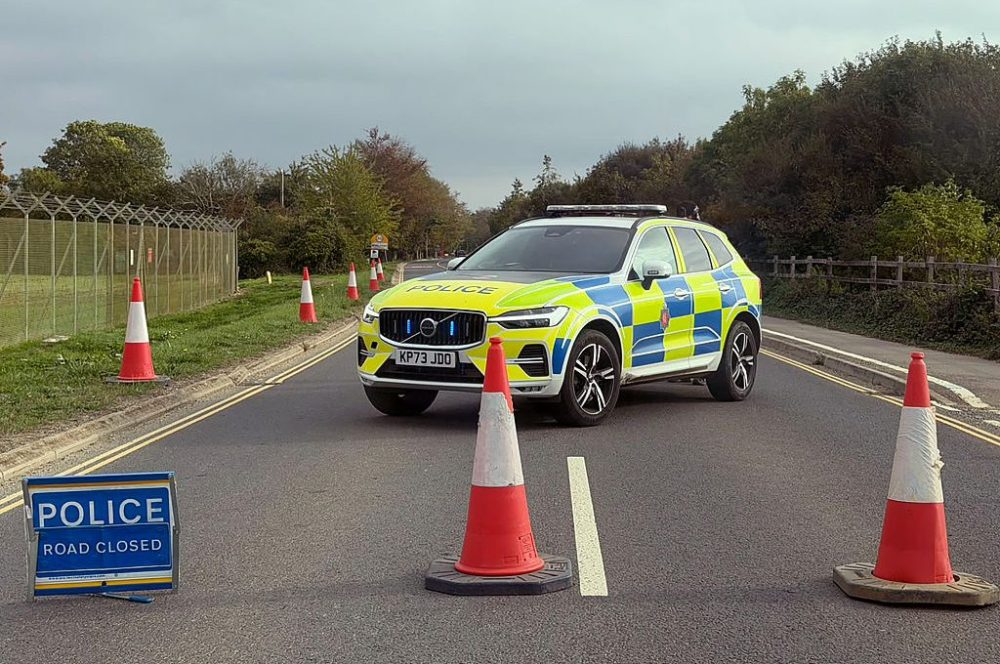
Still, the fact that Russian sabotage on European soil doesn’t technically meet the standard of Nato’s Article 5 doesn’t mean Europe shouldn’t respond. The question is how. So far, Nato has beefed up air assets through Operation Eastern Sentry along its long border with Russia and wasted no time shooting down any drones that happen to breach its airspace. Operation Eastern Sentry, tasked with countering Russian escalation. These strictly defensive operations are probably the least risky option for the alliance, yet using highly sophisticated fighter jets to counter much cheaper drones is an expensive proposition that isn’t deterring much of anything.
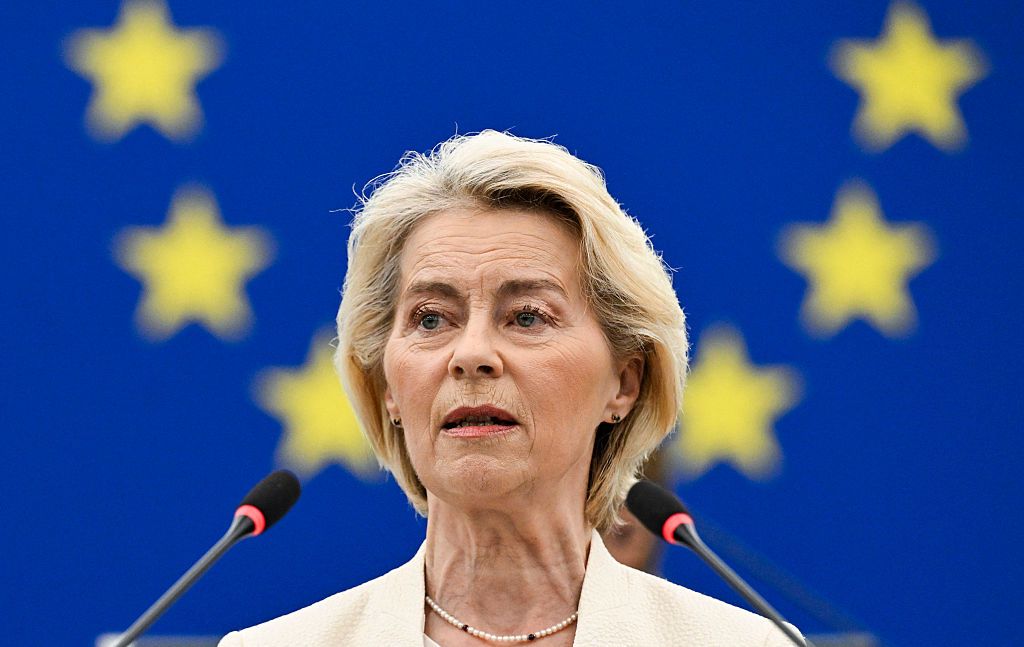
Whatever Nato is doing, the European Union is not particularly impressed. There is urgency in multiple European capitals to get a better handle on the Russian hybrid threat before it spirals out of control or exposes Europe’s security institutions as hapless bystanders at the mercy of decisions taken in Moscow. European Commission President Ursula von der Leyen delivered her state of the union address to the European Parliament on to outline one of her own initiatives to get a handle on this problem. ‘I believe it is time for Europe’s own Article 4 – or an Emergency Security Protocol,’ von der Leyen stated. ‘When triggered by one Member State, all Member States would convene. To coordinate a European response. To deter further escalation. And to mitigate the impact.’
The Article 4 concept was a focus of this week’s meeting of the Foreign Affairs Council, where defence ministers discussed it in more depth. It all sounds deadly serious, and the Europeans are certainly treating it as such. At the end of the day, Brussels wants a flashy initiative to demonstrate seriousness of purpose.
The reality is less dramatic. Faced with a more difficult threat environment, the EU seems intent on doing what it traditionally does during times of crisis: adding more meetings and building more bureaucracy. If von der Leyen thinks adopting an EU-style Article 4 mechanism will do much of anything to illustrate resolve to the Kremlin, then she’s sadly mistaken. One wonders whether she’s even read Article 4 to begin with—all it does is give a Nato member state the ability to call an emergency session when a threat is deemed to compromise national security or territorial integrity. Specific outcomes or decisions don’t even have to be made in those sessions. The clause is merely a meeting of the minds during tricky times and can best be described as a geopolitical therapy session, where concerns are aired and tempers are tamed.
The EU leadership’s so-called bold idea is even more insignificant when you consider the fact that the organisation already has a Nato-style Article 5 clause in its founding document. which states that all member states ‘shall have towards it an obligation of aid and assistance by all means in their power’ if another member state is the victim of aggression. Viewed in this light, an EU-style Article 4 mechanism looks like a downgrade of the status-quo rather than a sign of strength.
Simply put: if the aim is to deter Putin from becoming more aggressive against Europe, then it’s highly unlikely that calling more migraine-inducing summits between EU member states will meet the bill. Perhaps von der Leyen can spend one of these meetings asking what will.





Comments