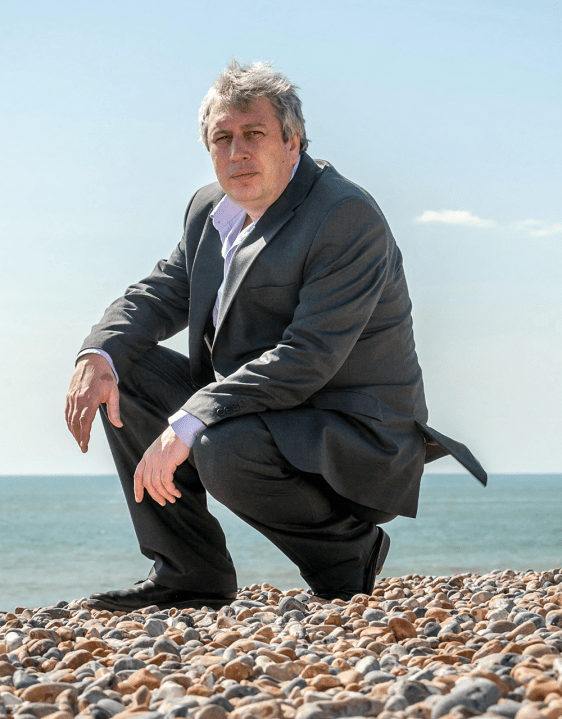


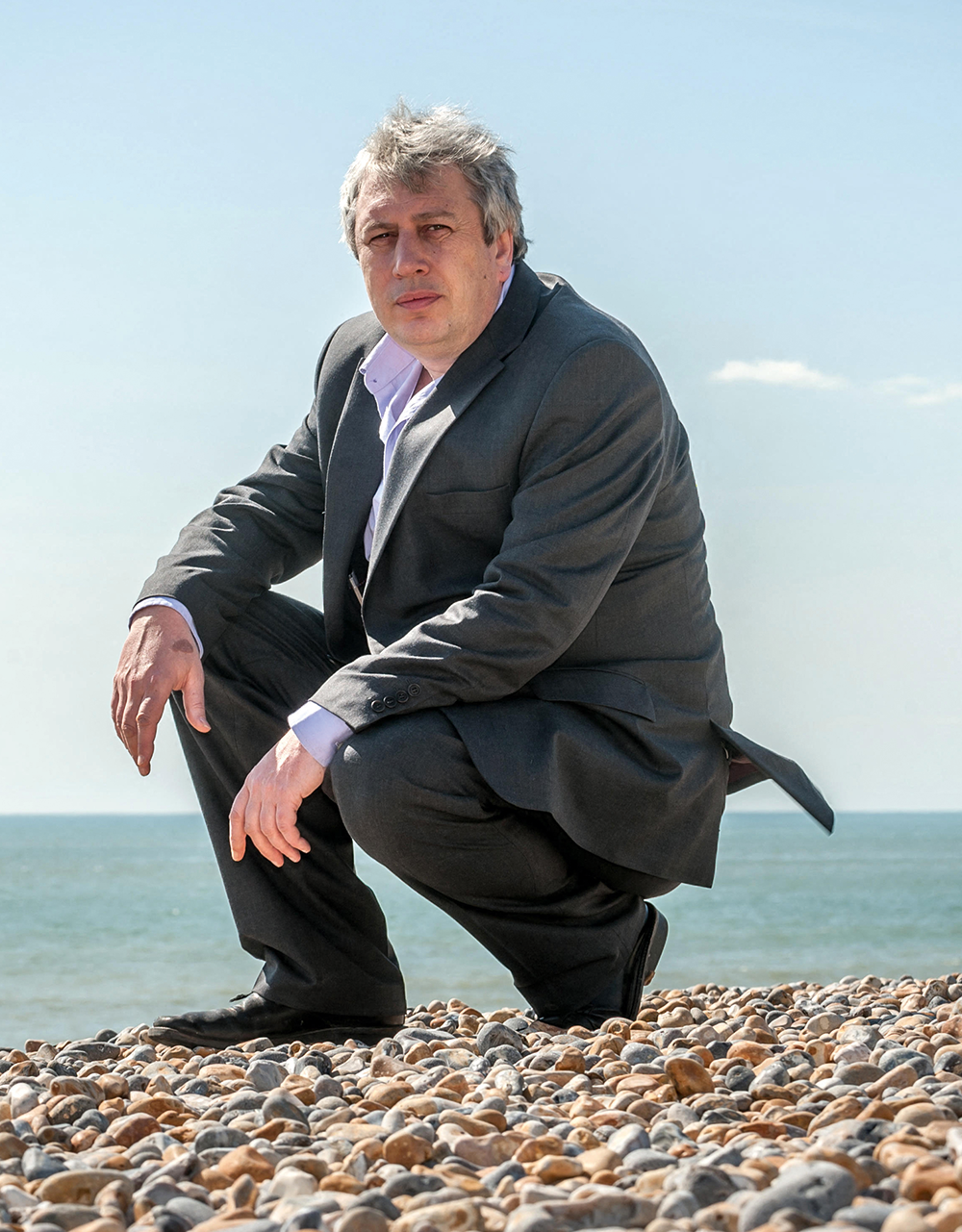
The organised hard left has moved fast after the fall of Jason Arday at Cambridge. They are furious with the Good Law Project for its open letter which still proclaims that ‘entirely false allegations of plagiarism were made against Professor Arday’. Instead of this absurd position, they are trying to control the narrative by quietly dumping those who appointed Arday. They want to save DEI by rebadging it. Hence their letter from 90 dons, publicly spoken for by Professors Nicholas Guyatt and Priyamvada Gopal. They know the Vice-Chancellor, Deborah Prentice, is vulnerable because an employment tribunal has just rejected her ‘ghosted’ evidence against a whistleblower in a university bullying case. They demand she reject what Professor Guyatt calls the ‘incredibly racist wave of commentary’ and back an ‘agenda of representation’ – in effect, racial quotas which, if so named, would be illegal. Professor Guyatt, like his fellow signatory, the Extinction Rebellion activist Professor Mary Laven and, until last week, Arday himself, are Fellows of Jesus College. Such people say Cambridge should ‘look like the society it serves’. If Jesus College is any guide, the society they mean is China.
Arday’s professorship had victims – those better qualified for the job who were discriminated against and research students whom he did not teach properly. They suffered from unprofessional behaviour by the relevant Cambridge authorities. Questions about Cambridge’s professionalism arise in other areas too. Take donations, and the strange case of a friend of mine, Benedict Westenra, a graduate of Trinity College. In 2021, his father died, leaving money for charitable purposes. Benedict set up a scholarship, named after his cat Tigris, to pay for students from poor countries in Africa, Asia and Latin America to do a one-year Cambridge Master’s degree in the hard sciences. The Cambridge Trust approved the scheme, the university did its customary donor background check and accepted his donation. All went well: Benedict raised further pledges and recruited senior practitioners from SpaceX and DeepMind to mentor successful applicants. But then the trust terminated the scholarship and forbade Benedict from contacting the first recipient. The trust’s minutes, which Benedict obtained under a Subject Access Request, said ‘he posted a series of racist and misogynist tweets inciting sexual violence’, an accusation of criminal behaviour. The Cambridge University Head of Media then drafted press lines repeating similar accusations. Benedict was never invited to put his case against this cancellation. He is pursuing legal action against the Cambridge Trust for libel.
I have seen the documentation. The sole thing described by the trust as ‘racist’ is a tweet commenting on another tweet about Islam and political ideologies. Benedict wrote, in full: ‘The left are cheering on Islam.’ The Cambridge Trust admitted internally that it could not locate the ‘misogynist’ content it itself condemned. As for inciting sexual violence, there is no such tweet. Westenra had satirised, online, a post in which someone speculated that a woman, not a victim of rape, had a rape fantasy. All, to use the current phrase, very meta – but not misogynistic and not incitement. So what prompted the scholarship’s cancellation? An ex-partner of Benedict, with whom he broke up 12 years previously, had denounced him to the trust. I do not know all the details of this quarrel, but nor did the trust; they did not ask Benedict. He did warn them that she was harassing him and had stolen Tigris, the famous cat, who was recovered by the police: he now has a five-year non-molestation order against her. So the sequence is this. You donate money for educational purposes and encourage others to do the same. The Cambridge Trust accepts the donation. Someone later tries to ruin you. Cambridge capitulates. In the process, it libels you. Cambridge conceals from you what is going on, writing internally: ‘I suggest we don’t tell him.’ It then stonewalls when you protest. Potential donors to Cambridge beware: it needs only a couple of university bureaucrats to misconstrue a few of your social media posts for you to be cast into outer darkness. You might think twice before you give.
Away last week, I was not able to contribute to the appreciations of poor Rod Liddle. I can belatedly fill out the story of how he switched to become the columnar genius we all recognise. It was September 2002. Rod was editing the BBC Today programme. The 400,000-strong Countryside March had just taken place, and Rod splenetically denounced the marchers (toffs with ‘a forelock-tugging menagerie of their better-paid servants’) in the Guardian, under the headline ‘Marching Back to Labour’. As the editor of the Daily Telegraph, I counter-denounced Rod in our leader columns for his gross breach of BBC impartiality rules which displayed ‘blatant bias, animus and even party allegiance’. Today, I complained, had failed to cover the huge march at all in its news bulletin. In a contemporary private note, I called him ‘stinking Rod Liddle’.
And then, incredibly, the BBC did what I demanded and sacked Rod. Almost immediately, I felt the assassin’s remorse. Friends convinced me he had been the only independent-minded editor in the corporation. I asked him to write for us and invited him for a conciliatory lunch in the ‘fusty, belch-filled’ club (Rod’s description) of which I am a member. He arrived very late and looked, I recorded, ‘magnificently out of place’. He confided in me that his Guardian editors, his new masters, had already banned, on politically correct grounds, his use of the words ‘jackanapes’ and ‘wolverine’ and the expression, ‘Oh, golly’. ‘We buried the hatchet,’ I wrote, ‘He is a free spirit.’ He was and, by accident, I had given that freedom wings. His release from the captivity of Broadcasting House was the best thing that ever happened to him.



Comments