Maximillian Garely

Trump is treating AI like a nuclear bomb

Initially, AI’s critics insisted that artificial intelligence was just another software product. AI was presented as a huge commercial opportunity, sure. It was presented as a tool through which humans could enhance their lives, but ultimately it was still understood as a statistical program that knew how to spell. Thanks to the Trump administration’s Anthropic export ban, that illusion is dead. The more powerful the technology becomes, the more determined governments are to control who can access it The United States government ordered Anthropic to suspend access for non-US persons to Fable and Mythos 5, its most advanced models, after officials raised national-security concerns. Whatever one thinks of the decision itself, its significance is hard to overstate.

Trump’s birthday UFC fight is a seminal moment in US politics

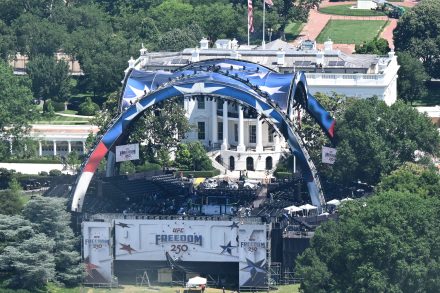
The UFC event today at the White House has been widely dismissed as an absurdity. Inevitably, the administration’s critics have portrayed the event — officially part of America’s 250th celebrations but curiously taking place on Donald Trump’s 80th birthday — as an odious example of Trumpian excess. Supporters, meanwhile, celebrate it as evidence that Trump is uniquely in touch with ordinary Americans.  Politicians are increasingly asked to function as cultural icons But what media commentators think of the UFC event is beside the point. The significance of this event lies not in the UFC itself, but in what it shows us about the changing nature of political authority. Beneath the headlines and Reddit threads, American politics is undergoing a profound change.

How warfare became welfare

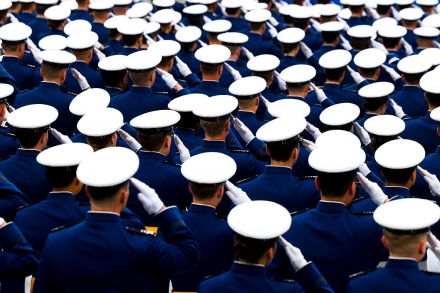
As tensions with Iran once again push the US toward the possibility of further involvement in Middle Eastern conflicts, a novel brand of anti-interventionism has swept American politics. After two decades of costly wars in Iraq and Afghanistan, both the populist right and progressive left have grown more willing to question the assumptions underpinning American military engagement abroad. Politicians as ideologically diverse as Thomas Massie and Alexandria Ocasio-Cortez now openly criticize interventionist foreign policy, while public fatigue with the post-9/11 wars has become increasingly visible across the political spectrum. Yet even as Americans tire of foreign interventions, cuts to the defense budget are politically untouchable. Wars end, defense spending does not.

US military