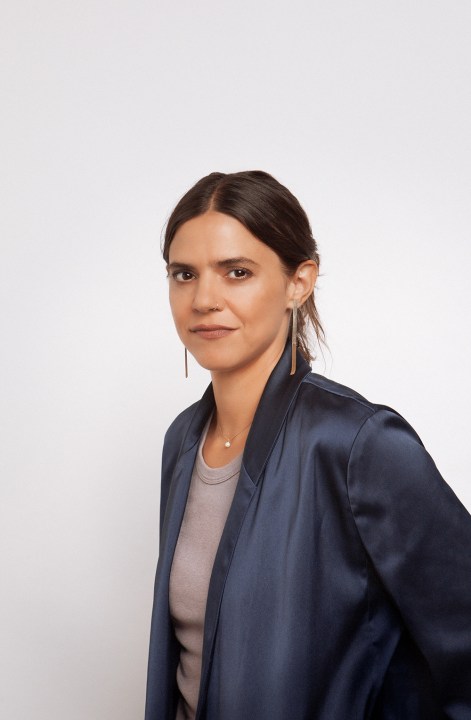
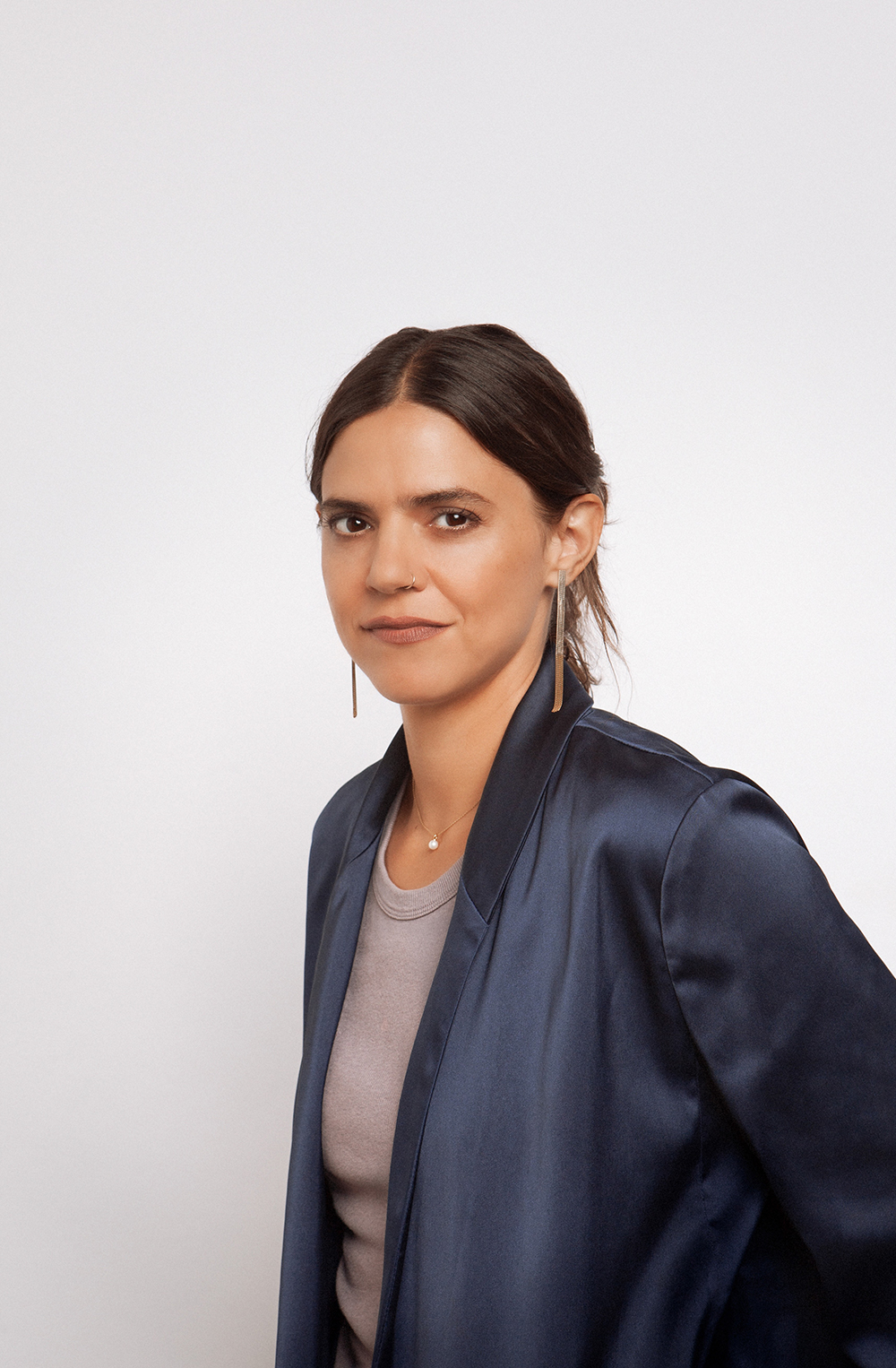
Valeria Luiselli’s previous novel Lost Children Archive (2019) was a formally inventive, highly erudite reworking of the American family road trip, a bravura performance that won both the Dublin Literature Prize and the Rathbones Folio Prize. Her follow up, Beginning Middle End, is a formally inventive, highly erudite reworking of a European family road trip. The framework might be the same – even down to the inclusion of Polaroid pictures – but this is far from a pale retread of earlier themes. It is a visionary portrait of three generations of women, as well as the times in which we find ourselves.
Mother and Daughter have escaped New York and are housesitting for the Pianist in Sicily. The Mother’s divorce from the Daughter’s stepfather is still to be painful, but it seems there is comfort to be found in their new surroundings. They go to the market together, talk about books and history, almost cook a swordfish head and attempt to write. It is a beginning of sorts, an intimate and new-found tenderness, though one that is fringed by darkness both past and present.
It is this interplay between past and present that makes Beginning Middle End so deft and beguiling. Connections rise and fall, binding the novel in a constellation of meaning and implication. While listening to a radio show about the late-Bronze Age Sea People, the daughter complains that the news is making her nervous. The Mother says it’s history, not the news. ‘It sounds like the news,’ the Daughter replies. This tension between what has been, what is now and what is to come builds throughout the novel.
There are many digressions on the nature of story, on what constitutes plot, on what fiction means, on how we create our own narratives against ‘the greater epic of the natural world’. These are elegantly constructed, but also heighten the reader’s sense of jeopardy. Around the Mother and Daughter, the world is literally on fire, but the worries of daily life are just as palpable: the Grand-mother is possibly showing signs of dementia; and the Pianist, who eventually joins them at his house, is not the man they expected.
There are sentences and paragraphs of rare beauty here, scenes of genuine wit and humour, as well as a deeply forged emotional range, that makes for a wholly immersive, utterly convincing world. Few writers have the skill and dexterity to turn the novel inside out while still providing such readerly pleasure, but Luiselli manages it with verve. It is the kind of novel you wish would never come to an end.




Comments