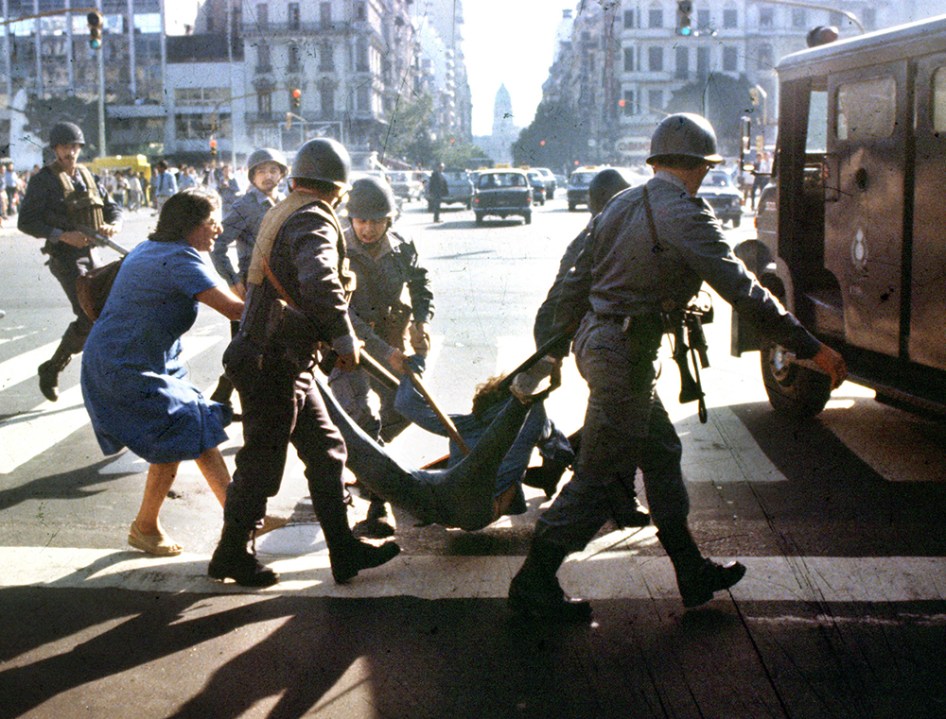
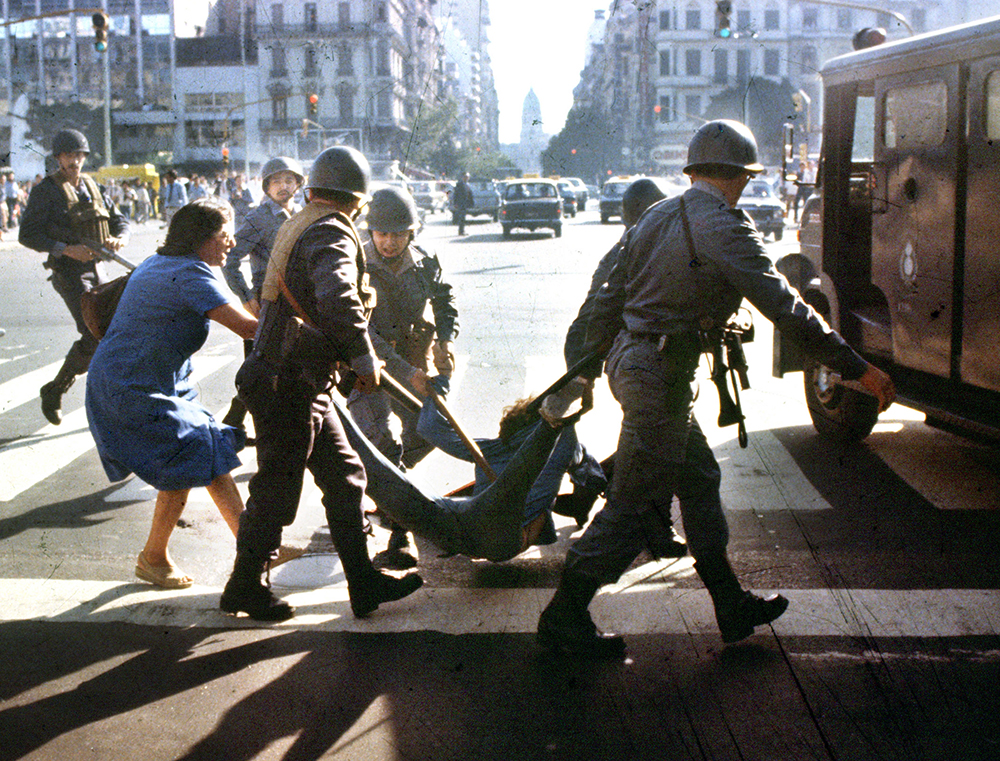
In photography, balance, whether radial, conceptual or symmetrical, is critical to the success of a composition. An unbalanced photograph can confuse, obfuscate or otherwise diminish an image. It is the same for a literary writer (Nicholas Shakespeare has twice been Booker-longlisted) taking on the thriller genre. Finding an equilibrium between prose styling and fine plotting requires considerable skill and a gentle touch. In his second outing for the former journalist John Dyer, Shakespeare treads this tightrope nimbly.
Following the events of The Sandpit (2020), Dyer is in Tasmania, engaged in research for a book on the Tupian peoples of the Amazon. He is soon interrupted by a voice from the past, that of Miguel Girondo de Belew, an Argentinian photo-journalist. An old mutual friend has recently been found dead in an apparent hit-and-run, but Miguel suspects a deeper conspiracy. Fearing for his own safety, he begs Dyer to meet him in Argentina to discuss his findings face to face, as he believes Dyer is the only one who can break the story.

What follows is a novel perhaps more in conversation with the paranoid thrillers of the 1970s – The Parallax View and Three Days of the Condor especially – than with Graham Greene or John le Carré, with whom Shakespeare has sometimes been compared. The early 1980s sections that burrow back into the young lives of Dyer and Miguel are hugely evocative of the smoky, drink-soaked possibilities of youth, as well as the dangers lurking in the shadows of Argentina’s Dirty War. Four decades on, the legacy of that time gives Shakespeare the opportunity to explore the dynamics of power and accountability in a post-populist world order, as well as raise the personal stakes for Dyer.
Frame 37 has some compelling set pieces and several engaging characters – the quietly amoral Warmuth, a diminutive fixer involved in finding the next candidate for president, is a particular highlight – but it is not without its idiosyncrasies. The constant switching of tense from past to present is baffling. Similarly, some of the characters’ names are wildly distracting. It’s hard, for example, to take a central antagonist called ‘Talcy Malcy’ seriously, while metaphors can stretch over several lines, making less sense the longer they go on.
Those caveats aside, Frame 37 is an intelligent, suspenseful take on classic thriller tropes that is nonetheless rooted in the mess of the here and now. It is an intriguing blend that’s sure to see Dyer back for a third outing.






Comments