The story of the United States was determined from the start by the manner of its birth. The original 13 English colonies may seem lost in the distant past. Yet it was their diversity that was the key to their union. The creation of the US reflected the tensions of 17th-century England, pitting the Puritan republicans of Massachusetts against the landed gentry of Virginia, Quaker New Jersey against Catholic Maryland. The Founding Fathers resolved these tensions by instituting the concept of states’ rights. Their Constitution was a tissue of compromise, yet it was robust. What served to unite 13 colonies still holds together the mightiest nation on Earth.
Over the course of the 19th century this union of “free states” attracted to America the most spectacular migration in world history, that of some 50 million Europeans. Imperial rivals such as Spain and France were swept aside. America’s native inhabitants were driven off their land. Yet when Jefferson, Madison and Adams sought to balance federal and states’ rights in the 1770s they did not take up arms against each other as have so many other revolutionaries. They entrenched liberties in their local governments, the states.
They did more. Schooled in Locke and the ancient classics, they studied republican Rome to curb the power of the union’s center. America was to know no king or emperor. Decisions of an elected president were subject to congressional scrutiny and veto. Without Congress, a president could not declare war, except in “emergencies.” A third power, that of the Supreme Court, stood apart as the final arbiter of the constitution. This triumvirate has clearly proved vulnerable to partisan abuse – but it still applies, as the coming year will show.
The union’s first test was bound to be slavery, and it brought disaster. By the time of independence in 1776, slaves were critical to the South’s economy. Most of the Founding Fathers owned slaves. The Declaration of Independence had asserted the equality of mankind, but carefully ignored the rights of enslaved and Native Americans. This deliberate neglect prevented the union from fragmenting over its first 70 years, as did other American empires. But it could not last. In 1861, the Southern states seceded from the union and established an independent Confederacy. The resulting Civil War – couched as a battle over states’ rights – emancipated the slaves, but it saved the union only by another compromise. Readmitted to the union, the South’s so-called Reconstruction was abandoned. Slavery elided into legalized segregation, to which a blind eye was again turned for another century.
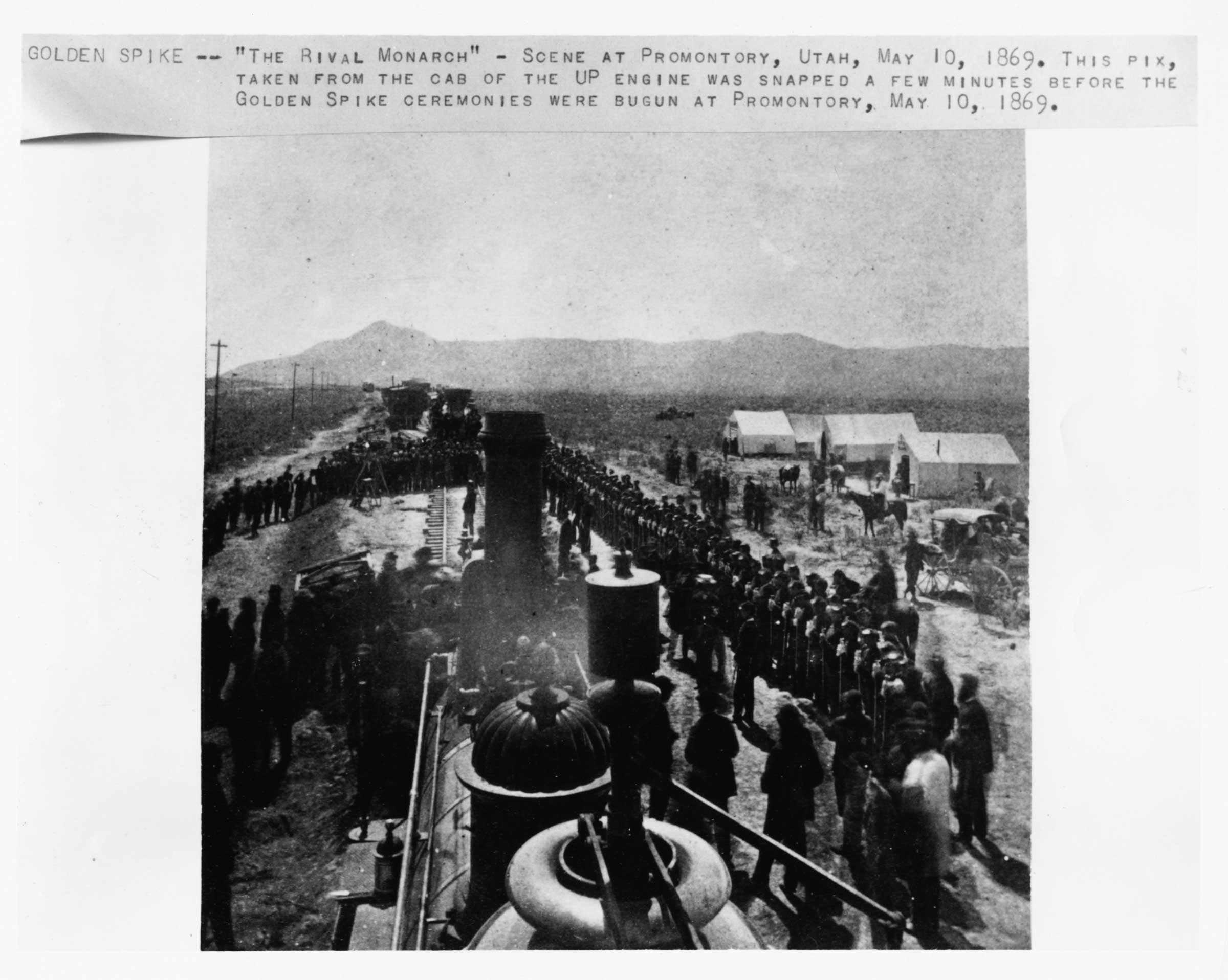
Thus the union of states remained plural, not singular. When in 1869 the first railway penetrated the Rocky Mountains to the Pacific, it was “transcontinental” not trans-national. The southwestern states, initially “territories” seized from what was once Mexico, were not admitted to the union until the second half of the 19th century. That admission, not 1776, marked the true formation of the USA as a continental union.
What created modern America was the phenomenon of rampant, unchecked capitalism. In the decades after the Civil War, America saw what was called the Gilded Age. Some 6,000 Mississippi paddle steamers, followed by 80 percent of the world’s railways, flooded world markets with cheap food. Tycoons such as Carnegie, Rockefeller and J.P. Morgan fashioned giant monopolies of steel, oil and banking. Their power was unregulated, though diluted by a phenomenal inventiveness. America produced the lightbulb, the sewing machine, the typewriter, the phonograph, the telephone, the car and eventually the airplane. The maker of the Colt revolver boasted, “God created men: Colt made them equal.” Ford’s cars came in every color “so long as it is black.”
The extent of the union now broadened America’s cultural horizon. Writers such as Ralph Waldo Emerson, Henry David Thoreau and later Mark Twain brought a romance to the “new frontier,” the conquest of the west. Twain contrasted it with the vulgarity of the “robber barons” of the northeast. As the Indian wars reached a grimy conclusion, Buffalo Bill invented cowboys versus Indians as true Americans versus noble primitives. He staged their struggles both on Broadway and even toured Europe, where gun-toting Annie Oakley entranced Queen Victoria.
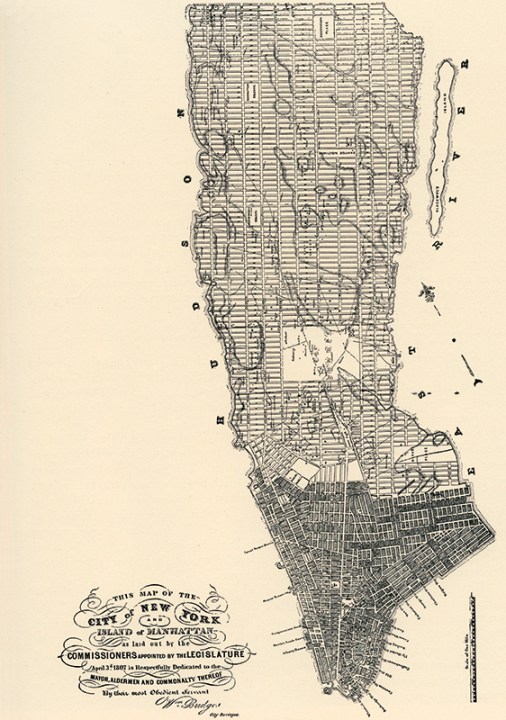
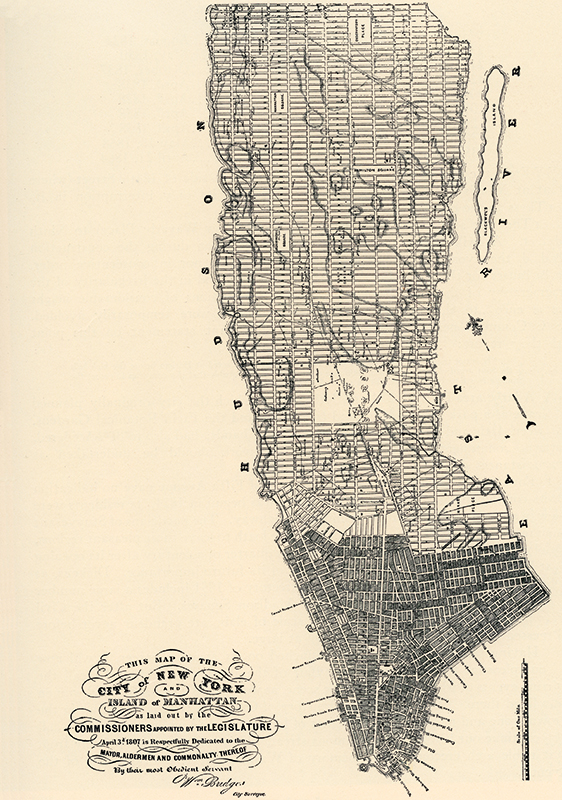
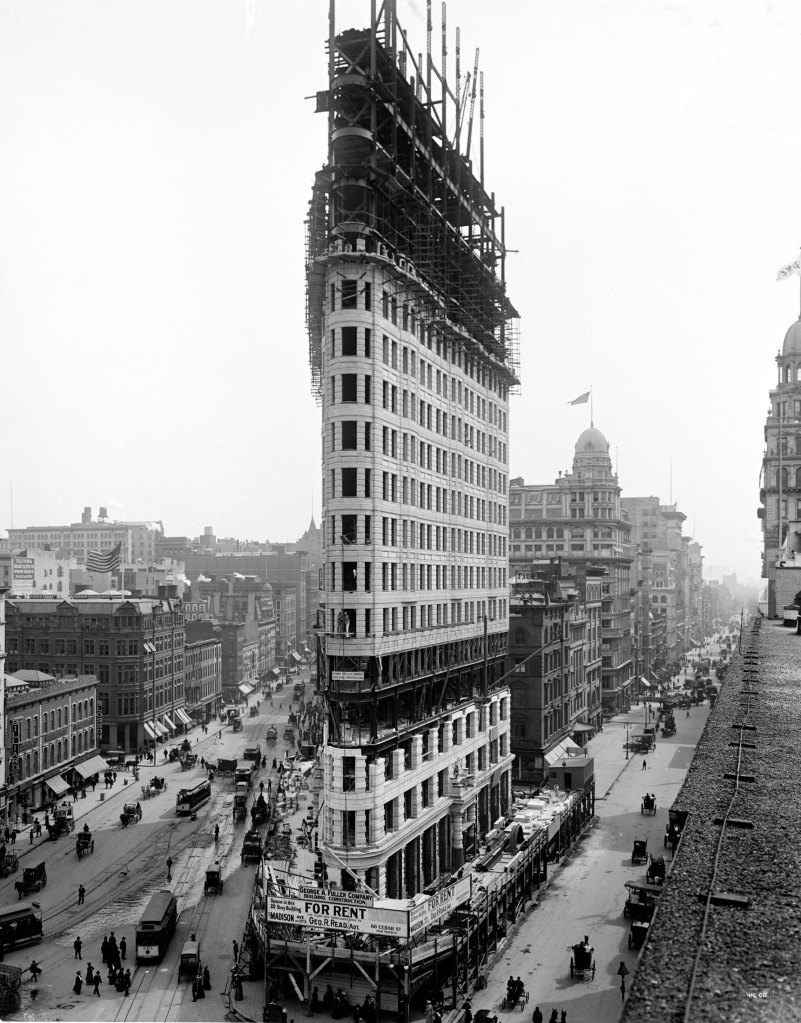
The city of New York erupted, surging to a population of 3.5 million in 1900, bigger than Paris or Berlin and only just behind London. It sprouted 60 skyscrapers. Florentine palaces arose along Park Avenue. Social climbing became frenetic, with millionaires competing to marry their daughters to titled British aristocrats. The most celebrated, Consuelo Vanderbilt, brought $2.5 million to the Duke of Marlborough in a miserable marriage that financed the repair of Blenheim Palace. Novelists such as Henry James and Edith Wharton even dusted New York with a new gentility. Wharton’s maiden name, Jones, gave rise to the saying “keeping up with the Joneses.”
This new America found political expression in the bombastic presidency of Teddy Roosevelt (1901-09). He took up the challenge of Rudyard Kipling’s poem, “The White Man’s Burden,” addressed to a newly mature America. It first appeared in a New York newspaper, bidding Americans to go into the world and fight “the savage wars of peace.” They should civilize “the new-caught, sullen peoples, half-devil and half-child,” even if it meant facing “the judgment of your peers.”
The poem was read out in Congress, where it confronted America’s ambiguous self-image. Isolationism had been politically ingrained since George Washington. He had declared his to be a land of limitless possibilities, but one that should have nothing to do with Europe’s constant disputes, with “causes foreign to our concerns.” Above all it should never fight abroad.
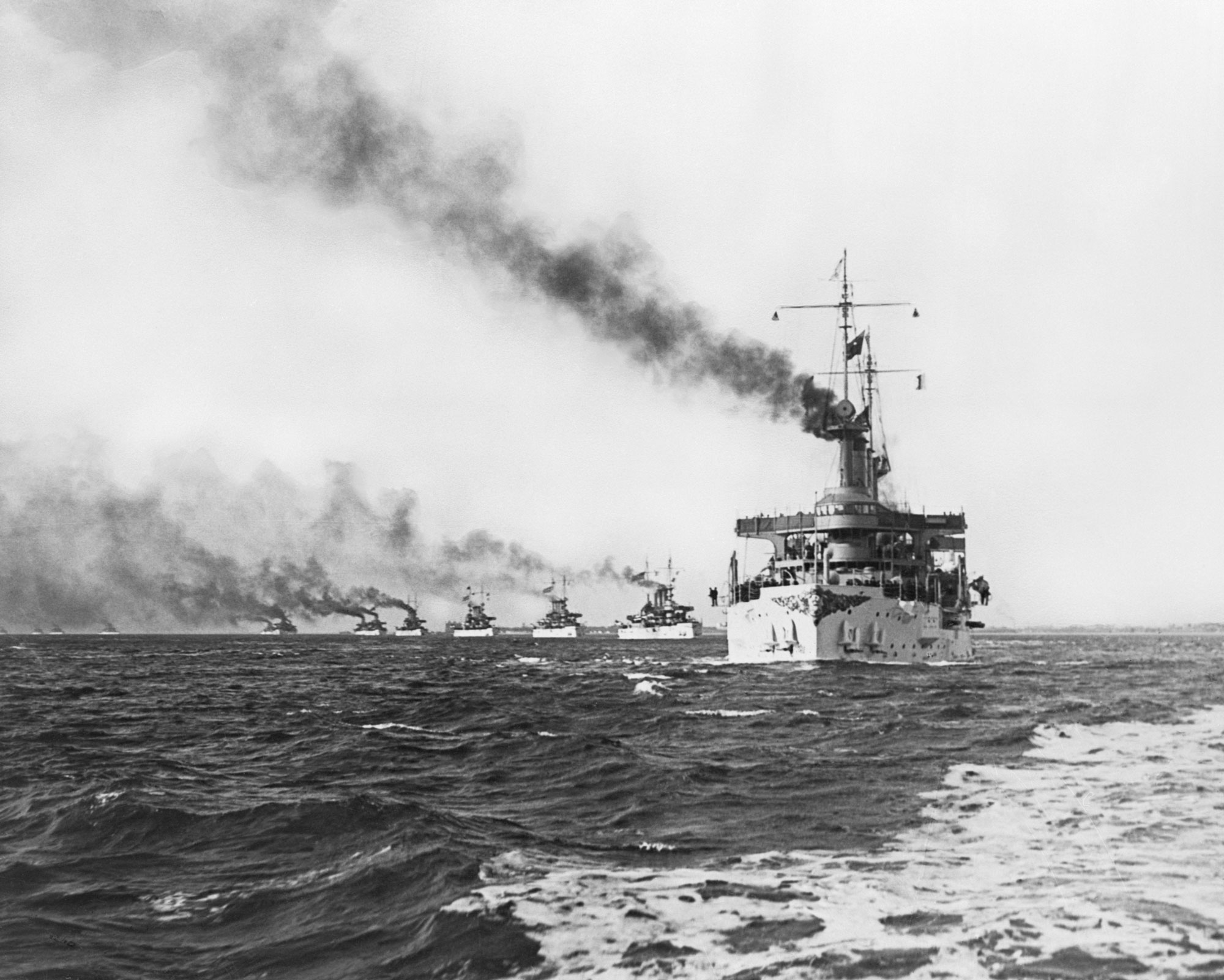
Roosevelt rose to Kipling’s challenge. His America could afford to join the premier league of nations. He was an activist president, progressive in securing “trust-busting” anti-monopoly laws. But he abused “emergency” presidential powers and was avidly belligerent. America now occupied Cuba, Puerto Rico, Panama, the Philippines, Guam and Hawaii. It had an empire in two oceans, with a “white fleet” of 16 battleships. There was to Roosevelt more than a hint of Donald Trump.
Opposition in Congress was strong. It kept America out of World War One until the very end. By then, four million troops were in uniform, forging an American military tradition out of all proportion to the needs of national defense. Congress did not approve. It humiliated Woodrow Wilson by refusing to join his proposed League of Nations.
While Europe struggled through the 1920s, America boomed. Its factories produced five million cars to Europe’s one million. A new American culture distinct from Europe emerged. The music of jazz migrated north from New Orleans. A moving picture industry was founded in Los Angeles, its stars Mary Pickford and Douglas Fairbanks becoming global celebrities.
This union of ‘free states’ attracted to America the most spectacular migration in world history
Yet every advance has its retreat. The Constitution was a safety valve of sorts. The federal prohibition of alcohol – beer being seen as pro-German – could not be sustained. Some states banned socialism, others banned the teaching of evolution. Many were appalled at the movies’ licentiousness. Hollywood’s Hayes Code limited an on-screen kiss to three seconds and required three (of four) feet always to be on the ground. One 1920s president, Warren G. Harding, won the biggest majority in American history for advocating nothing but “normalcy.” He defined it by personally answering the White House door.
After the Depression there was fierce congressional opposition to America’s involvement in World War Two. It U-turned only after Pearl Harbor when another Roosevelt, Franklin Delano, committed America to leading the West to victory. So emphatic was this display of American power that it could not refuse to lead the North Atlantic Treaty Organization, defined to confront the threat of a nuclear-armed Soviet Union.
American presidents from Dwight Eisenhower and John F. Kennedy to Barack Obama and Trump found themselves torn by precisely the constitutional ambiguity that attended the union’s birth. The federal government failed to fashion a welfare state on European lines. Instead it built a military complex way beyond America’s needs. Kennedy promised to “pay any price, bear any burden” to “support any friend, oppose any foe to ensure the survival and success of liberty.” He tried to invade Cuba and invaded Vietnam.
From Korea and Vietnam to Afghanistan and Iraq, America’s global role has seemed confused and directionless. Since the end of the Cold War in 1989, successive presidents have been ambivalent over America as a world policeman. Time and again vanity and good intentions have seduced them into military failure.
I believe this merely reflects America’s pluralism as a continent as much as a nation. Likewise internally, states are pro-abortion and anti-abortion. They differ widely on drug legality, gambling, gun control, IVF, crime and punishment. America’s scientists are world leaders, as its religious fundamentalists are extremists. Voters are whimsical. They vote for change, and then reject it. When feeling neglected or cheated by those in power, they sound the alarm and go for a figure like Trump.
This diversity has brought a strange security. For more than a century it has enabled America to emerge as the richest, most inventive and most powerful nation on Earth. Warts and all, it is still a bastion of democratic liberty. For the present, its Constitution is being tested to the limit. However messily, it will survive.





Comments