One critic memorably described Waiting for Godot as a play in which nothing happens, twice. Twenty Minutes of Silence is a novel in which something happens, repeatedly. Ina luxurious villa in northern France a man lies dead, surrounded by disorder – apparently a robbery gone wrong. When the police arrive, they find he was shot with his own gun and the murder weapon is missing. His wife and 15-year-old son become suspects.
What is really going on here? Again and again we are taken through the night’s events, starting afresh each time. The dead man was a multi-millionaire with dubious associates. The marriage relationship seems ambiguous: the wife could have been deceived or unfaithful. The son is just a child, apparently victimised by a sadistic father, though he too could be concealing something. And, crucially, why was there a 20-minute delay before the neighbouring doctor was called?

With its dark absurdist humour, chronological chaos and effervescent language, this is a dizzying take on a crime thriller: a collage of words and an examination of what lies behind those words. Is it a prose poem or a poetic novel? To describe a book as kaleidoscopic has become a cliché, but here it’s inescapable: look at things one way and the pattern is clear, but a rotation changes everything. Each twist reveals new information. Glimpses of the past – a bitter Christmas celebration; an undeserved punishment. And each time we relive the night’s events we get closer to a possible truth which wrenches the heart.
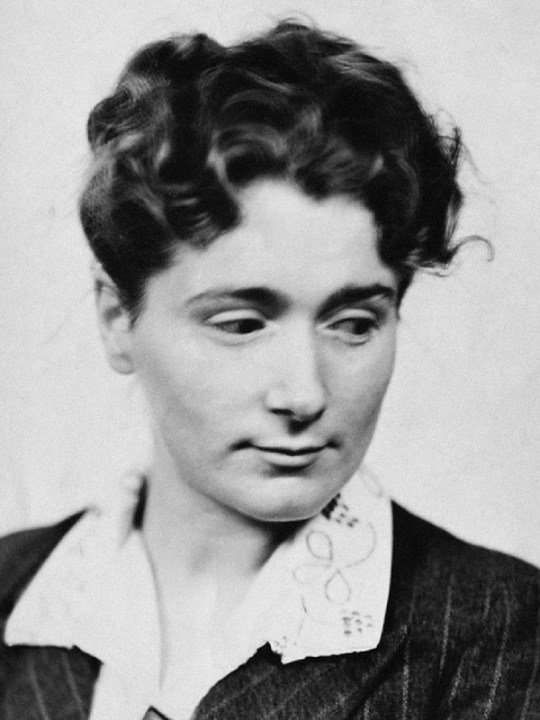
The author’s life is as intriguing as the book. When Hélène Bessette’s first novel was published in 1953, she was immediately recognised as an important new voice by the French literary establishment, Simone de Beauvoir and Marguerite Duras being among her many admirers. She wrote 13 novels and was twice nominated for the Goncourt prize, though critical acclaim was never matched by a wide readership. She continued to write but earned her living as a schoolteacher until she was dismissed, later working as a cleaner. She died in 2000, forgotten, her books out of print.
A lapse of time between writer and readership is not new. Kafka’s novels appeared posthumously, and Proust self-published Swann’s Way. Last year Fitzcarraldo brought out Bessette’s first novel, Lili is Crying. Now we have Twenty Minutes of Silence, translated with glittering fluency by Kate Briggs and with an illuminating introduction by Kathryn Scanlon. This could be the time for Bessette to be rediscovered.






Comments