
For decades, the bloody mary pretty much had the tomato cocktail on lock. If you wanted something savory, spicy, vegetal – a bloody was your brunchtime go-to.
Today, tomato-based drinks span well beyond the bloody – and beyond brunch, too. From legions of tomato water ’tinis to savory spins on negronis, margaritas, and beyond, expect to find drinks everywhere this summer paying homage to the beloved tomate.
The key drivers behind the trend: rising affection for savory drinks (thanks, dirty martini), tighter connections between kitchen and bar, and an emphasis on seasonality.
‘If you think tomato drinks sound weird, just remember it’s a fruit. It belongs in the bar too’
“Seasonal, ingredient-driven cocktails have grown in stature over the years,” observes Tom Sullivan, bar manager at Pasjoli, a French restaurant in Santa Monica, CA. “I don’t see that ethos changing.” In fact, that approach led to a particularly successful experiment: an MSG-tinged tomato negroni made with “the most amazing Sungold tomatoes.” It’s only on the menu when the tangerine-hued, sweet-tart tomatoes are flourishing; Sullivan anticipates the drink returning to the cocktail menu this month.
Meanwhile, at Boston cocktail bar Equal Measure, the “gracias gazpacho” is a clarified cocktail that presents a tomato drink as “nighttime refined: chilled, sultry,” without the volume of a bloody, explains beverage and bar director Jackson Cannon. “That remains an underserved area: people who know they want a bloody mary or dirty martini but have precious few other optionsto go in that savory direction.”
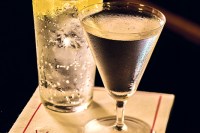
Described as “not your mom’s tomato soup,” an aptly gazpacho-like mix of tomatoes, onions, bell pepper, and cilantro is puréed and strained, akin to making tomato water, and mixed with The Botanist gin (or Grey Goose vodka). Poured into a martini glass, the drink is finished with dots of cilantro serrano oil.
Looking back, the advent of the upscale tomato drink isn’t exactly new, Cannon says – he recalls seeing tomato water drinks 20 or 30 years ago, during “the era of foams and molecular concentrates.” I dove deep to recall the first time I saw a cheeky tomato drink, and landed on 2011, when bartender Gen Yamamoto painstaking devised a full-on flight of tomato drinks at EN Japanese Brasserie in NYC (now closed; Yamamoto now runs an eponymous bar in Tokyo).
But now, tomato-based drinks have gone mainstream. This is in part due to the “tomatini,” created in 2010 at LPM Restaurant & Bar in Dubai, a “salad in a glass” mix of muddled ripe Campari tomatoes, balsamic vinegar, and vodka, since popularized around the world and a beneficiary of the still-going-strong savory martini trend.
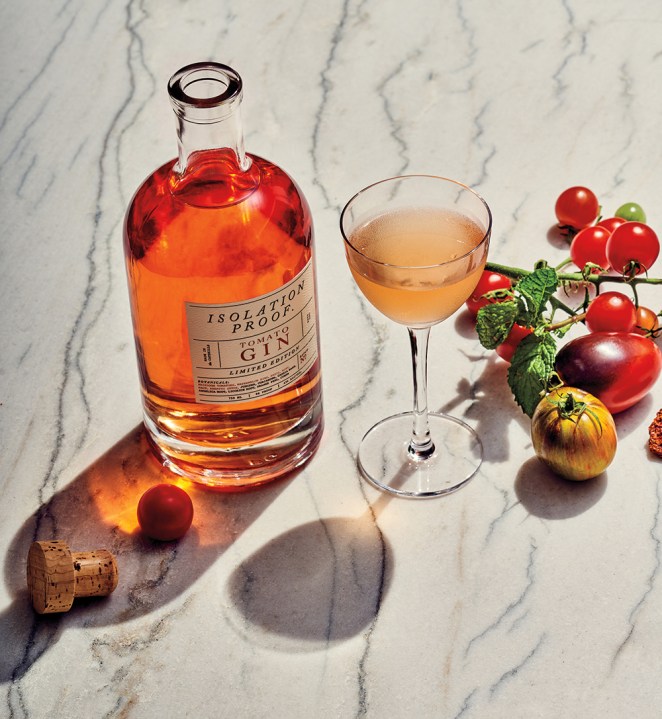
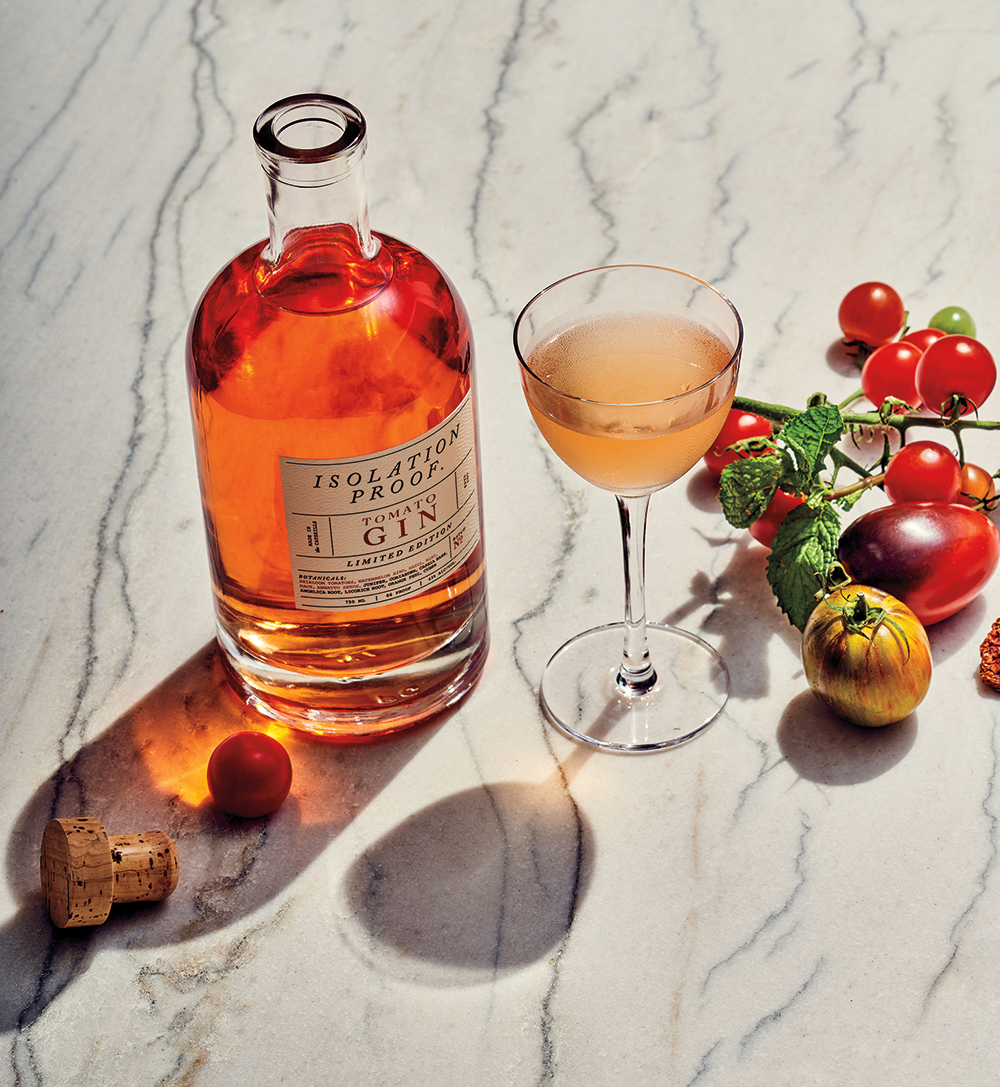
Looking ahead, a burgeoning crop of commercial tomato-spirit bottlings teases the promise of summer-kissed drinks all year round. Opt for a tomato vermouth from San Francisco producer Veso, made with Purple Cherokee and Early Girl tomatoes, plus young tomato leaves for a herbal accent; savory-sweet 72 Tomates, a liqueur from French brandy-maker Laurent Cazottes, made with a whopping blend of 72 heirloom tomato varieties; and fresh and bright Covalle Tomato-Water Gin. At a recent trade show, I also sampled an intriguing tomato gin debuting in July from New York state-based Isolation Proof, made with sundried tomatoes, basil, and marigold among its botanicals.
Yet, most of these elixirs are made in woefully limited quantities. At Tuscan-inspired restaurant Via Aurelia in San Francisco, the piquant “piccolo pomodoro” featured white whiskey, tomato water, lovage, and that Veso tomato vermouth. The catch: it was a hit – and it came off the menu as soon as they ran out of the vermouth.
Clearly, we’re not free from the tyranny of only-in-peak-season produce quite yet. So if you spot a creative tomato drink on the menu, don’t delay too long in ordering it. And for first-timers, Equal Measures’ Jackson Cannon has a message: “If you think tomato drinks sound weird, just remember it’s a fruit,” he urges. “It belongs in the bar too.”
Bottle of the month
America will celebrate the 250th anniversary of the country’s founding this summer. Yet, Tenmile Distillery, located on a converted dairy farm about two hours north of New York City, has been celebrating all year, releasing a steady stream of 57 “Revolutionary Series” whiskies (they’ve adopted the Scottish spelling), named for the various battles that took place around New York’s Hudson Valley.
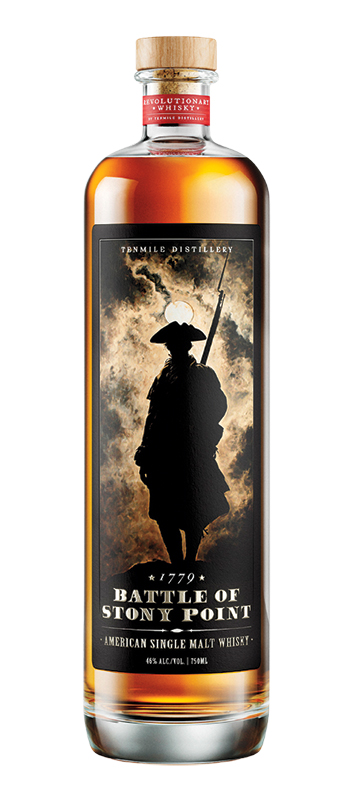
Battle of Stony Point is one of the Semiquincentennial series’ more readily available bottlings, a five-year-old American single malt aged in French oak (a cask that previously held Pinot Noir) and American oak (an ex-bourbon barrel). The result is a bold sipper that mingles notes of toasted almond and dried fig with a brisk, tobacco-tinged finish.
If you’re not familiar with American single malts, this is a fine time to get acquainted. Inspired by the whisky traditions of Scotland, Americans have been experimenting with made-in-the-USA versions for more than a decade; last year, American single malt was finally granted official recognition as a spirits category.
Scotch purists may appreciate how Tenmile has built on Scottish roots, importing distillation equipment from Scotland – as well as Aberdeen-born master distiller Shane Fraser. But these small-batch whiskies are distilled on-site, using New York State grain, making a dram worthy of toasting America’s big birthday.
Battle of Stony Point, $85; tenmiledistillery.com





Comments