
Martinis remain one of the most popular cocktails of the moment – pristine and dry or filthy-dirty-hazy, vodka or gin, olive or twist, there’s one on every menu.
But the iconic drink sure does pack a punch.
In a moment where many – particularly younger consumers – are drinking less, even the classic martini is seeing some changes. Enter the “long” martini, which lengthens the basic martini build with soda water, tonic, etc., and serves it over ice. The end result: a less-strong, less austere version of the drink.
“I don’t think the martini is going anywhere,” says Kevin Denton Rex, director of The Spirits Authority, a research organization that gathers data from bartenders. But the “long” martini drives “sessionability, that low-alcohol moment.” It’s also a drink that encourages sipping and lingering over, he observes.
‘You get the best of both worlds. A dry martini and a dry vermouth spritz on the side’
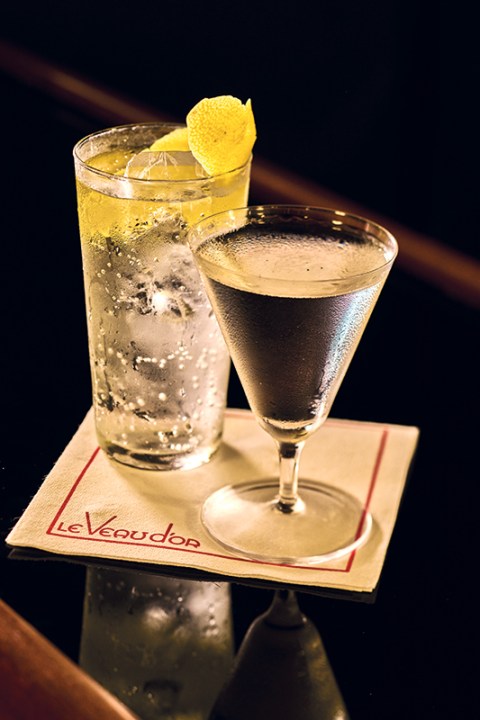
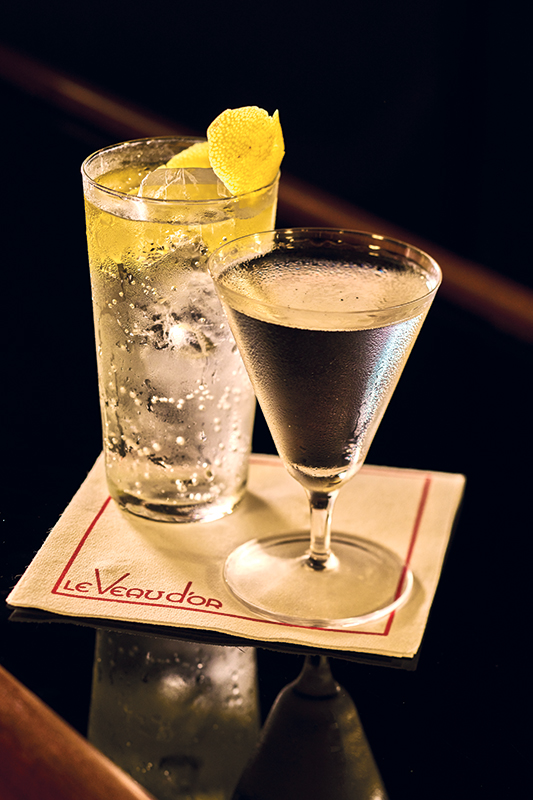
The martini “our way” at Le Veau d’Or was the first time I ever saw a martini deconstructed to create a longer, slower, bubblier drink. When the old-school NYC French restaurant reopened in 2024, it included the “our way”: a dry, overproof martini (Old Raj gin, fine sherry vermouth, orange bitters), flanked by a highball glass filled with the “dirty ice” left from shaking the cocktail, plus more vermouth and a generous pour of saline Vichy Catalan mineral water.
The inspiration: steakhouse regulars who asked for the “dirty ice” as a way to get a little more mileage out of their martini orders. But in a more upscale context, the drink became a hit. “You get the best of both worlds,” explains Sarah Morrissey, former bar manager at Le Veau. “A dry martini and a dry vermouth spritz on the side.”
Looking back, that drink foreshadowed a new template for the martini.
For example, look to the dirty martini & tonic at NYC’s Schmuck, created as a 2025 summertime serve, which dilutes a dirty 50-50 Ford’s gin martini with plenty of Thomas Henry tonic and ice, and tops it with both lemon peel and skewered green olives. The end result: a fizzy, spritz-y version that turned out to be so popular, it’s now available year-round.
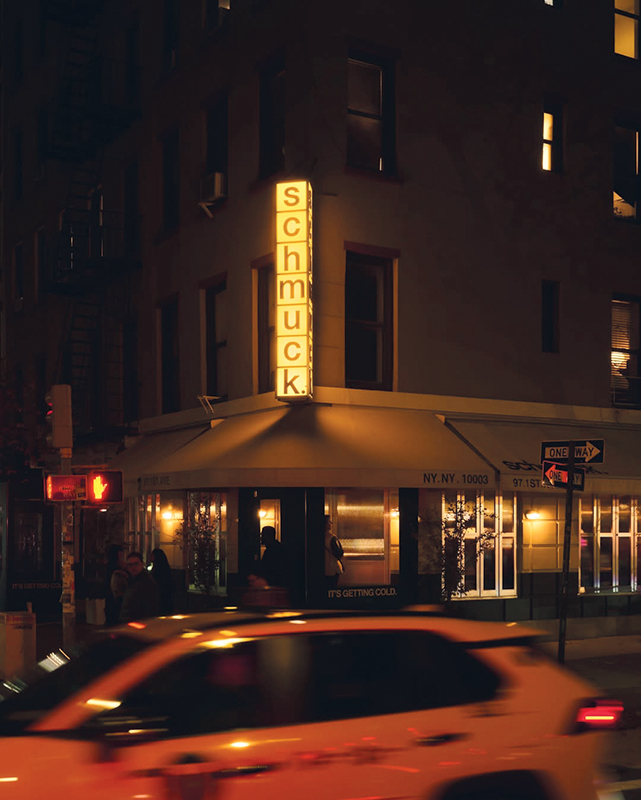
The drink was created for guests to enjoy on the terrace outside, explains Schmuck co-owner Moe Aljaff. “However, as everyone knows, martinis must always be served cold, even better in a frozen glass, something you can’t really control while sitting outside.” Serving it tall and fizzy over ice helped solve that problem.
A similar-ish drink – the martini & tonic – also appears at Gus’ Sip & Dip in Chicago: Tanqueray no. Ten gin, a house vermouth blend, and orange bitters, lengthened with tonic water. And if you can get into The Corner Store (NYC and coming soon to Las Vegas), where celebrities seem to have staked out every cozy banquette, you can try the dirty spritz: white vermouth, fino sherry, plus splashes of salmiana mezcal for a hint of smoke and housemade olive brine for a salty kick. The drink is then carbonated, bottled, and served in a highball glass over ice, which dilutes the drink as it melts.
Of note, most Americans don’t know what a “long” drink means. With the exception of the canned Finnish Long Drink, which appears on some liquor store shelves, it’s not really part of the US lexicon. More likely, this less-potent variation will morph into the “martini highball” or “martini spritz.”
Whatever it’s eventually called, expect to see it gather speed in the year ahead. Denton Rex, for example, notes that long drinks with savory accents were a frequent feature at the 2025 Tales of the Cocktail conference, an annual bartender event held in New Orleans, where trends often surface first. Already those drinks are showing up in NYC, Chicago, and other metro-area bars. Next stop: the mainstream.
But that’s still off on the horizon. For now, I’m still playing the long game: betting that long martinis will be showing up on lots more drink menus before too long.
Born in the USA
Maybe you haven’t noticed, but bartenders certainly have: we’re in the midst of a chartreuse shortage. For that, you can blame the Carthusian monks in France, and their wacky notions of work-life balance. In 2021, the monks who produce the herbal liqueur opted to limit production of the liqueur in an effort to protect monastic life and devote more time to solitude and prayer.
But you can also blame the popularity of drinks like the last word, the naked and famous, and the bijou, which rely on chartreuse to add nuanced, herbaceous flavor. In other words, the supply crimp wouldn’t be such a big deal if demand wasn’t booming at the same time.
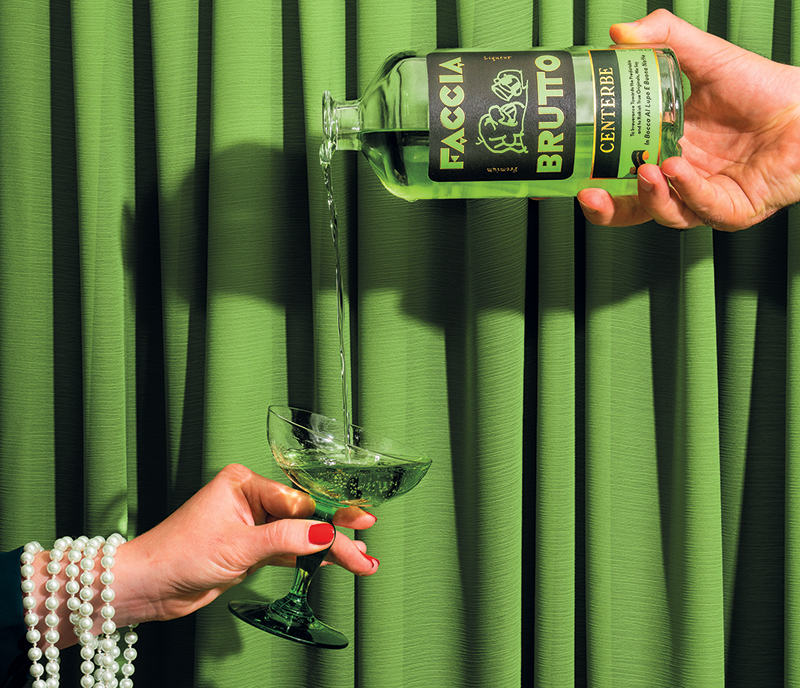
In response, it seems like everyone’s trying to make chartreuse-alikes – although it’s difficult to reproduce exactly (did we mention how zealously the monks guard the secret blend of 130 plants, flowers, barks etc?). Centerbe, from Brooklyn’s Faccia Brutto, has proven to be one of the best replacements for green chartreuse (by comparison, yellow chartreuse, popular in drinks like the alaska, a martini variation, has a sweeter, more vanilla-forward tone). Centerbe’s vivid green hue and relatively high proof (45% ABV) make it an easy swap in classic cocktail recipes, while botanicals like lemon balm, tarragon, and bay leaf add bright, fresh flavor.
Faccia Brutto Centerbe, $45; facciabruttospirits.com





Comments