
Two weeks before the 2024 presidential election, Robert F. Kennedy Jr. tweeted that “the FDA’s war on public health is about to end.” He then listed a host of treatments, all of which he claimed had been “aggressively suppressed” by a corrupt Big Pharma system.
Two Ps – psychedelics and peptides – featured on that list of treatments, one more familiar than the other. You could be forgiven for thinking that peptides are a recent creation but they’re not. They’ve been around for a long time, but they’ve gained huge attention due to Wegovy and Ozempic.
Peptides are natural compounds: short chains of amino acids (the building blocks of proteins) that function as signaling molecules within the body, sending a wide variety of messages to all sorts of tissues, from the skin to muscle and internal organs.

The global market for peptides is growing rapidly. The regulated market alone is worth $50 billion and is projected to double by the early 2030s. The first major peptide to be synthesized was insulin, which plays a vital role in regulating blood-sugar levels. About eight million people in the US currently take insulin, mostly diabetics, but it is also used as a growth promoter by professional bodybuilders. Peptides such as insulin, Wegovy and Ozempic clearly work. They’ve been fully licensed for human use and their effects are visible for all to see.
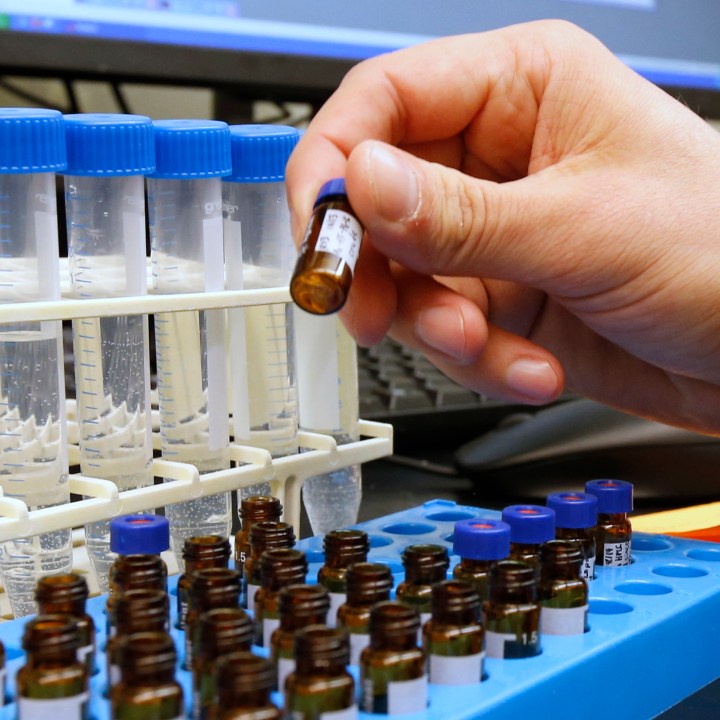
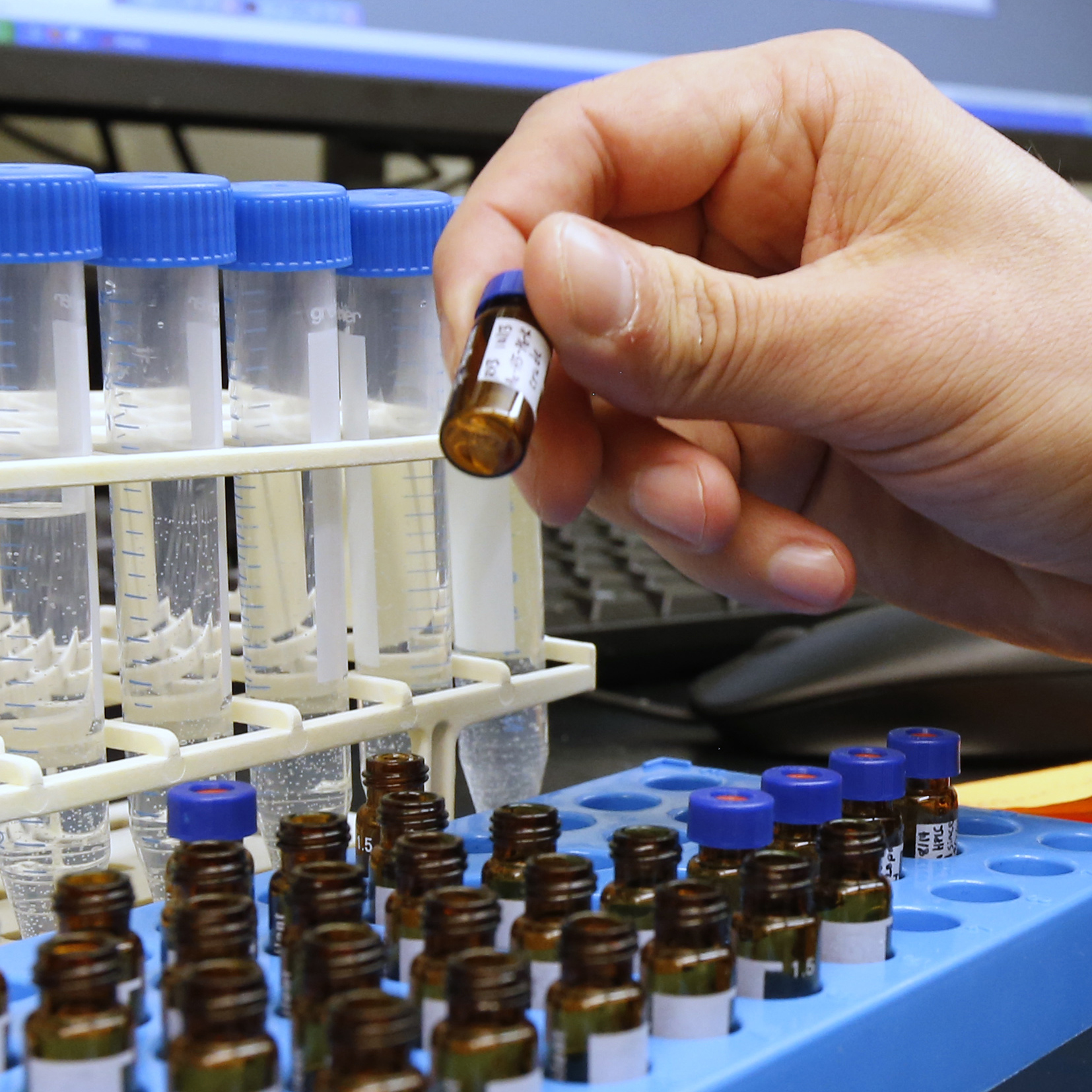
But when it comes to the newer peptides – or at least those that have finally escaped obscure bodybuilding forums after decades of underground use – there is no rigorous human safety data at all. No human clinical trials have been carried out. All safety and efficacy data comes from animal studies and these are often few in number and limited in scope. That hasn’t stopped a rapid rise in consumer use.
BPC-157 is among the most popular. It’s a peptide that’s marketed for its regenerative qualities, including joint-healing. I’ve considered using BPC-157 to treat recurring tendinitis from a dislocated knee I suffered giving a girl a fireman’s lift at the beach (don’t ask). Lab mice given this peptide have recovered from traumatic spinal and brain injuries that would otherwise have killed them.
BPC-157 is often paired with TB-500 as part of the “Wolverine stack,” named after the X-Men character whose powers of recovery make him almost impossible to kill. In one film, he survives a nuclear explosion. Other common peptides include GHK-Cu, a copper peptide that promotes collagen production for joints, skin and hair; ipamorelin, which makes the body produce growth hormones; NR, an anti-aging peptide; and tesamorelin, which is said to increase muscle mass.
Most peptides are sold as “research chemicals” that are “not intended for human consumption,” a nice little workaround that prevents the manufacturers from being held liable for the uses buyers put them to. As well as the lack of compelling clinical evidence for their effectiveness, lack of regulation makes buying peptides even more of a lottery.
In 2023, the Biden administration decided compounding pharmacies could no longer make unapproved peptides. At a stroke, oversight vanished. Compounding pharmacies are subject to state regulations and regular inspection by the FDA. Most peptides now come from abroad, China in particular. If you want to get hold of peptides, you often need to know a gray-market distributor or someone that works at one of these Chinese factories. Deals mostly happen over encrypted messaging apps such as Telegram and Signal.
The quality and purity of peptides vary wildly. Investigations have revealed that many peptides are heavily contaminated and the actual concentrations don’t match the advertised dosages. This is a common problem in the world of health products and supplements more generally. Ecdysteroids, for example, a kind of plant steroid used by Soviet weightlifters for decades, are often sold in tablet form at a thousandth the strength indicated on the bottle.
Another consideration is price. Popular stacks that are used by celebrities and wellness influencers can end up costing hundreds of dollars a month, sometimes closer to $1,000. Jennifer Aniston and Gwyneth Paltrow have both reportedly been using weekly peptide injections and collagen supplements to improve their overall vitality and their skin’s appearance. Joe Rogan has frequently promoted BPC-157, claiming the gut-derived peptide completely healed his elbow tendinitis in just two weeks.
Many peptides are contaminated and concentrations don’t match the advertised dosages
There remain persistent questions about the safety of licensed peptides. Well-established side effects include vomiting and nausea, diarrhea and even stomach paralysis, which requires the sufferer to be fed via a drip – but barely a week seems to pass without the appearance of a new one ending up in the headlines. Recently we’ve discovered Wegovy and Ozempic might cause vision loss, false diagnosis of cancer in routine medical scans, alopecia, gallstones and loss of muscular strength, among other things.
There are also worrying instances of changes to moods and behavior, which shouldn’t be surprising given how food is intimately related to desire (it’s why we talk about motivation in terms of “hunger” and “thirst”). There are rumors that top financial firms have banned their staff from using weight-loss drugs because they appear to blunt traders’ appetites more broadly – including the crucial appetite for risk.
So far, I’ve decided not to take BPC-157 for my niggling knee. I’ve been using ice packs and a compression sleeve instead, and most of the pain and swelling has disappeared. I can squat heavy and run again, which is good enough for me, Wolverine be damned. I can’t say I like the idea of injecting myself with an unapproved compound made god-knows-where by god-knows-whom. And however useful animal studies might be, human bodies are not the same. I am not a mouse that’s been half-crushed to death by a man in a white lab coat.
In the end, it’s up to you to balance potential rewards and risks: to do your own research, as the labeling on these compounds implies. But then I think about Paltrow. Wasn’t she singing the praises of vagina-scented candles a few years ago? Best leave the Chinese injections to people like her.






Comments