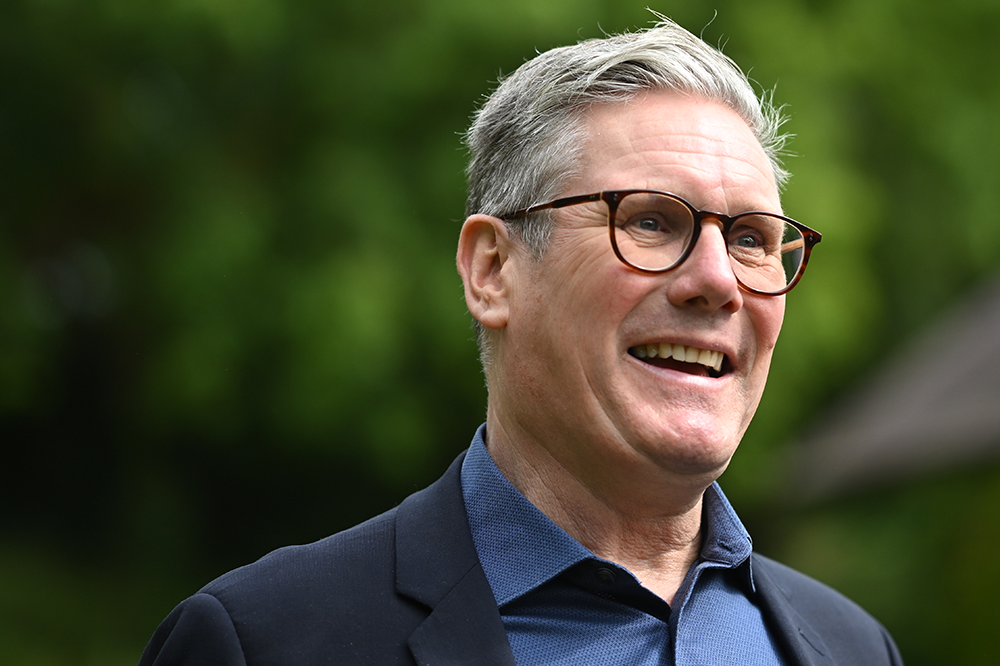


If Keir Starmer didn’t already understand Harold Macmillan’s warning about ‘events, dear boy, events’, he got a lesson on Saturday. At 4.49 p.m. on Truth Social, Donald Trump ate humble pie about the -sacrifice of British troops in Afghanistan, having previously claimed Nato forces avoided the front line. ‘We enjoyed it for a few minutes,’ a close aide recalled.
Eleven minutes, to be precise. At 5 p.m. on the dot, Andy Burnham announced that he wished to stand in the Gorton and Denton by-election. So began the latest psychodrama at the top of the party. This was an open challenge to Starmer’s authority and a test both of his remaining political power and his willingness to use it.
It is the pithiest explanation the government has yet provided of what it is doing
The conversation was brief. It was decided that Starmer’s allies on Labour’s National Executive Committee (NEC) would reject Burnham’s request. An ally said: ‘A man says he wants to launch a leadership challenge, but can’t when he’s not an MP, then says he wants to become an MP and the current Prime Minister has the ability to stop that. What do you think is going to happen?’
Burnham did little to lobby even his allies on the NEC to vote for him and lost the vote 8-1. Colleagues think this is a strange strategy. ‘He’s been elected to serve four years and he wants to call the biggest by-election ever in Britain and divert huge amounts of party resources to it. It wasn’t hard to find people, whether they like Keir or not, within the party machinery who think that’s not a very good idea.’
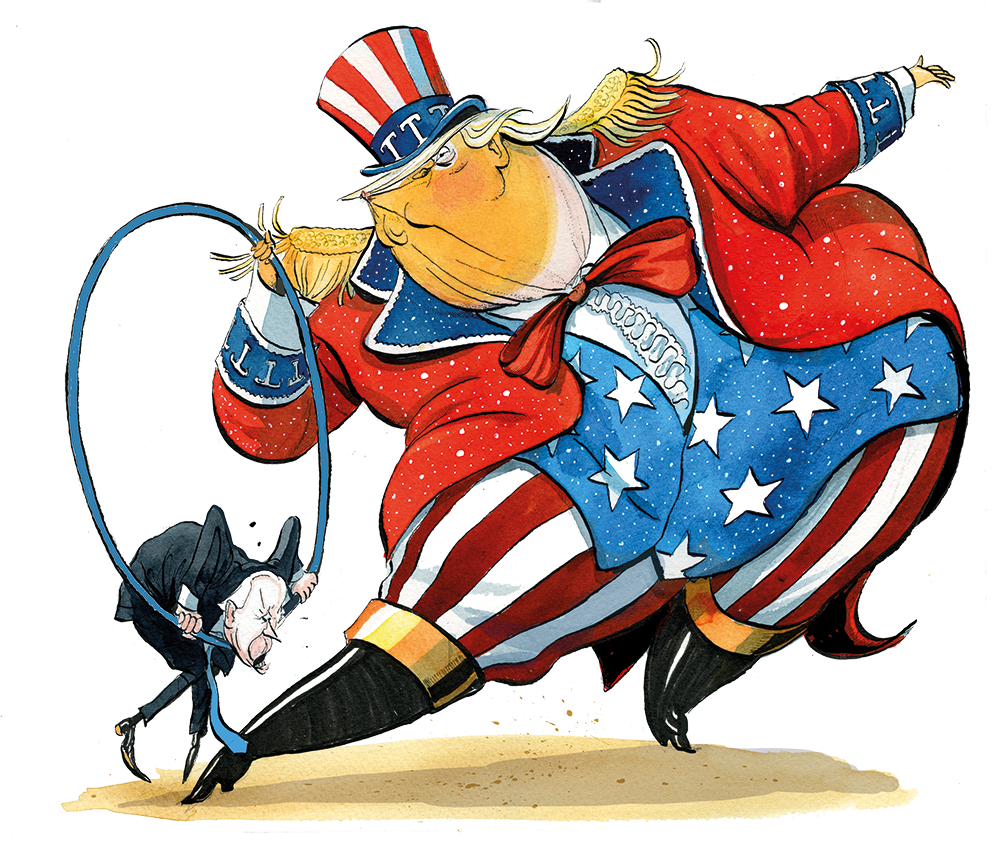
With Trump, Starmer was also decisive. When the US President threatened tariffs, the PM used a press conference to fight back. Trump backed down. When he ranted about Afghanistan, Starmer branded Trump ‘insulting and frankly appalling’. An aide said: ‘That wasn’t the script. He was bloody furious. He judged it was one of those moments where the Prime Minister needs to speak for the country.’ When they spoke, Trump dutifully wrote down the number of British dead and publicly apologised half an hour later.
These events, however, meant No. 10 had to tear up plans last week for a major Starmer speech on the cost of living. In facing down Burnham, the Prime Minister deferred an explanation of what he and his government are really about, now that the missions, pillars and pledges of 2024 and 2025 are gone.
When Starmer does give the speech, ahead of the local election campaign, he will argue that in order to tackle the cost of living, families need an ‘active government’ in three ways. First is the contestable claim that Labour has achieved macroeconomic stability by clinging grimly to the Chancellor’s fiscal rules, which will mean interest rates and inflation fall. ‘That requires an active government committed to stability,’ a source familiar with the text says.
Secondly, Starmer will say Britain needs an ‘active government’ to intervene directly in retail offers on things like energy prices, rail fares, prescriptions and breakfast clubs: ‘all the stuff that the Tories wouldn’t do’.
Finally, the PM will seek to tie together domestic and international policy by arguing that Britain needs ‘an active and engaged government abroad’ if it is to control the cost of living at home. This means maintaining decent relations with the White House, going ‘further and faster’ with the EU and engaging with China. This is why Starmer is now in Beijing. ‘We’ve veered from the golden age to the ice age,’ a No. 10 source says. ‘It’s important that we try to improve business relationships while recognising the security pressures.’
No one in the Prime Minister’s team would dare call this ‘Starmerism’ – the man himself says there is no such thing – but it is the pithiest explanation the government has yet provided of what it is doing. A senior No. 10 figure admitted: ‘You’ve got to narrate the story of government’ – a case many have been making to Starmer for 18 months.
The PM has appeared on noticeably more media since Christmas, while his team is focused on speaking directly to voters rather than through lobby journalists, a process coordinated by David Dinsmore, the former editor of the Sun. Labour’s cap on ground rents this week was the first time a policy has been launched on TikTok. Since Starmer took over, there have been 3,100 announcements, most of which have made no impression on the public. Expect to see much more direct communication.
None of this means Starmer is safe if the May local elections are a bloodbath. He remains the most unpopular prime minister since polling began. ‘Active government’ is hardly a stirring rallying cry for a furious electorate and Starmer remains curiously uninterested in how to grow the economy. There are many who think bulleting Burnham will backfire. ‘My view is that we should have let him come back,’ says a cabinet source. ‘Hug him close, make him foreign secretary and put him on a plane. We look weaker now because we are weaker.’
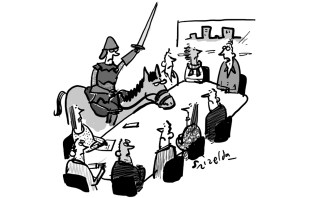
However, Starmer retains the support of friendly ministers and those who would not expect a job under anyone else. A YouGov poll this week found that the public thinks Wes Streeting, Angela Rayner and Shabana Mahmood would all do a worse job than Starmer. Only Burnham, the best known, was seen as an improvement.
This is surely because none of those who want to replace the PM have provided a governing vision beyond Rayner’s recent comments that Labour ‘should do better and should do more’. Burnham is a successful mayor but those with longer memories than the 2024 intake of MPs (many of whom think him their best chance of saving their seats) regard him as a political weather vane who served Tony Blair, Gordon Brown and Jeremy Corbyn with equal enthusiasm. Burnhamism is less visible even than Starmerism. Prior to May, Streeting is best placed, but when Rayner returns from her tax-avoidance exile he may be outgunned. ‘Wes is as strong as he is going to be,’ says a ministerial aide.
The conclusion of one Starmer confidant on the leadership question is that ‘absolutely nothing happening is way underpriced’. All the pretenders, bar Mahmood, who is not expected to run, seem to be offering more taxing, borrowing and spending. None has spelt out anything resembling a coherent plan. If they want Starmer’s job, the bare minimum Labour MPs should expect is that they do so.
Listen to the latest of Tim Shipman on Coffee House Shots:



Comments