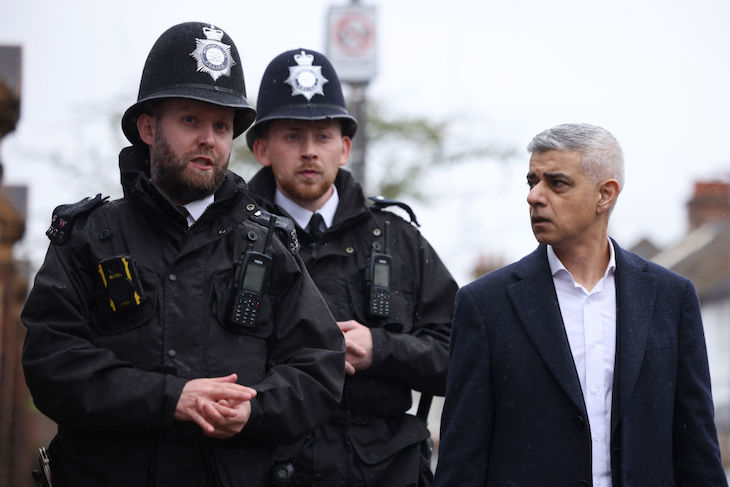
Walk through central London with your phone out, and it might not be yours for much longer. Theft in the capital has surged in recent years. So has shoplifting, with almost 90,000 incidents recorded in London last year, up roughly 54 per cent from the previous period. Meanwhile, fare dodging on London’s transport network has soared. The joke is on law-abiding Londoners who bother to buy a ticket.
Over 2,200 TfL employees earn more than £100,000
The sums of money lost to crime in London are far from trivial: the £190 million cost of fare dodging would pay the annual salaries of 3,000 frontline police officers. But it’s not just phone snatchers and those who refuse to buy a train ticket that are costing Londoners a packet: City Hall is doing so too. As Metropolitan Police and British Transport Police recruitment tumbles, the administrative arm of City Hall has been expanding rapidly. When Sadiq Khan entered office in 2016, the Greater London Authority (GLA) employed about 900 full-time staff. By 2020, this figure had risen to a little under 1,200, a 33 per cent increase. More recent GLA workforce reports show further growth: 1,303 employees in March 2023, 1,396 in March 2024, and 1,525 by March 2025.
The top jobs continue to pay extremely handsomely, of course. Transport for London’s published accounts show that its commissioner, Andy Lord, remains the organisation’s highest earner with a base salary of more than £400,000. With bonuses and benefits, the package adds up to £640,000.

Lord isn’t the only one doing well. Over 2,200 TfL employees earned more than £100,000, double the London average salary; 78 of them were paid more than the Prime Minister, who earns £172,000, including his basic MP salary.
Yet despite this explosion in pay, the service is going backwards. TfL figures show that the Tube now runs a smaller proportion of its scheduled services that it did before the pandemic. Pre-Covid, reliability sat comfortably in the mid-to-high nineties. Today it is much closer to 90 per cent – a statistic that in practice means more delays, more cancellations and more daily disruption for commuters.
For this dismal service, Londoners are paying more than ever into City Hall’s coffers. The mayor’s portion of council tax, the GLA precept, has risen from £276 for a Band D property in 2016/17 to £471 in 2024/25. This hike comes amid a general feeling that London is a worse city to live in than it was twenty years ago.
Under Khan’s mayoralty, City Hall has grown unusually large, with a morass of senior deputies. There are nine deputy mayors, plus the statutory deputy mayor. Most of these roles come with salaries exceeding £150,000 per annum.
Do they deserve such enormous pay packets? A cabinet minister in the UK government earns a similar amount to these positions, even though national ministers run departments with budgets and responsibilities dwarfing those of any single London portfolio. These deputy mayors are nominally ‘responsible’ for areas such as housing, transport, policing or environment, but their fancy titles appear to be more about prestige than practicality.
In essence, deputy mayors are Khan’s flunkies, doing what David Graeber famously called ‘bullshit jobs’: layers of staff whose real purpose is to make their boss feel important, rather than deliver meaningful outcomes.
Questionable salaries are accompanied by questionable spending. In 2025, the GLA forked out over £1,000 on flights and accommodation for Tom Copley, Deputy Mayor for Housing, to attend a Pride march in Budapest. Khan’s five-day jaunt to the US in 2022, where he visited New York, San Francisco and a cannabis farm in Los Angeles, cost taxpayers £35,000. The mayor was there to ‘bang the drum for London’ apparently. Perhaps he’s be better off staying in London and making our city a better place. These overseas jaunts, ultimately funded by you and me, are hard to justify.
City Hall would probably argue that high pay attracts talent. That may be the case, but when you have a Mayoral office that is unwilling to give a simple and straightforward answer to questions such as ‘How many Assembly Committee meetings [has] Tom Copley attended in his role as Deputy Mayor?’ or ‘Can you please confirm on average how many days a week each of your Deputy Mayors physically work from City Hall?’, you do wonder why there is such a need to be so elusive.
The truth is that too many Londoners are falling victim to crime on our city’s streets, emboldened by the lack of enforcement. And they are also being failed by overpaid administrators and bureaucrats who simply are not making the capital a better place.
To make London great again, we need fewer deputy mayors and symbolism, and more enforcement and operational focus. London does not suffer from a lack of money, but a severe lack of financial discipline. Until this changes, the message to Londoners from Sadiq Khan is clear: pay up, look away and try not to get your phone out.






Comments