Tim Shipman

Tim Shipman

Tim Shipman is political editor of The Spectator.

Can you ‘take the politics out’ of the grooming gangs scandal?

13 min listen

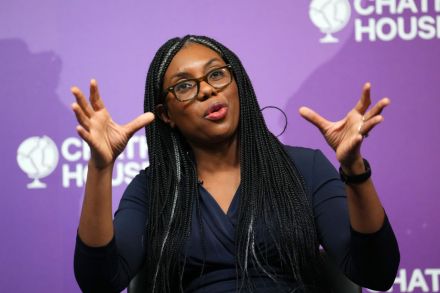
Yesterday Yvette Cooper announced a national inquiry into the grooming gangs scandal after the Casey Review found that a disproportionate number of Asian men were responsible and that governments and authorities had failed to step in over fears of racism. Anxious to press Labour on their U-turn – memorably, Starmer accused the Tories of ‘jumping on the far-right bandwagon’ – Kemi Badenoch held a press conference, joined by victims of the gangs. ‘I’m not doing politics now, when I’m in the Houses of Parliament, when I’m in the Commons, I will do politics’, she said. But can you really take the politics out of the grooming gangs scandal? Elsewhere, Donald Trump has fled the G7.

Spending review: smoke, mirrors and no strategy

10 min listen

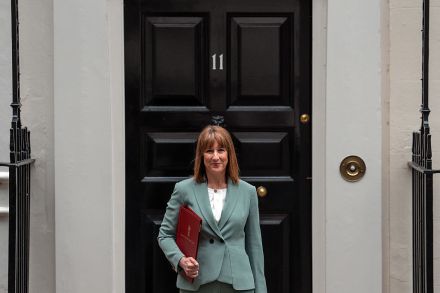
There were few surprises in Rachel Reeves’s spending review today. Health was the big winner, with a £29bn increase in day-to-day spending and £39bn was announced to build social and affordable housing. The main eyebrow-raiser was the announcement that the Home Office will end the use of hotels for asylum seekers within this parliament; this could save £1bn or it could become Labour’s ‘stop the boats’ moment. The bigger picture was confusing – with increases measured against levels three years ago, is there really as much cash as Rachel Reeves wants you to think there is? And what’s the strategy behind it all?

Local elections live: is Reform unstoppable?

15 min listen

The word ‘unprecedented’ is often overused in politics, but these local elections have proved to be just that. The headline is: sweeping success for Reform.  Nigel Farage's 'teal tsunami' comes at the expense of the main parties – turning the two-party consensus on its head. The recriminations for Labour and the Tories have already begun. On the left, a number of MPs have broken cover and urged the government to shift its position on high-salience issues such as winter fuel. On the right, Kemi Badenoch’s leadership is looking increasingly shaky, with Tory MPs and staff warning that a step change is needed. Where do the main parties go from here? And can anyone stop Nigel?

Is the Tory psychodrama over?

17 min listen

Tim Shipman, chief political commentator at The Sunday Times, joins Katy Balls to discuss his new book, Out: How Brexit Got Done and the Tories Were Undone. The final instalment in Shipman's Brexit quartet, the book goes behind the scenes in Westminster to reveal the warring factions at the heart of Boris Johnson's government. Considering all of this, has the Tory party left this era of controversy and backstabbing behind? Or, with a new leader, is there a whole new chapter to come?

The Xi files: how China spies

38 min listen

This week: The Xi files: China’s global spy network. A Tory parliamentary aide and an academic were arrested this week for allegedly passing ‘prejudicial information’ to China. In his cover piece Nigel Inkster, MI6’s former director of operations and intelligence, explains the nature of this global spy network: hacking, bribery, manhunts for targets and more. To discuss, Ian Williams, author of Fire of the Dragon - China's New Cold War, and historian and Guardian columnist Simon Jenkins joined the podcast.. (02:05) Next: Lara and Gus take us through some of their favourite pieces in the magazine, including Douglas Murray’s column and Gus’s interview with the philosopher Daniel Dennett.

Hyper-history: why did politics go crazy?

On the day Theresa May signed her Brexit withdrawal agreement with Brussels, Dominic Raab, the Brexit secretary, resigned. She tried to dragoon Michael Gove, a leader of the Brexit campaign, into taking the job. Dominic Cummings, the erstwhile campaign director of Vote Leave, persuaded Gove to resign rather than take the job. It was mayhem. That day Cummings texted a friend in Westminster to say: ‘Sometimes nothing happens for years. Sometimes years happen in days.’ The phrase was originally Lenin’s, though he referred to ‘decades’ rather than years – but it was apt for the almost revolutionary cascade of events unleashed by the EU referendum of 2016, which we are still living with eight years later.

Never-ending stories

I spent a bit of time last week on the set of the new Brexit film, which James Graham has written for Channel 4. My book on the referendum has been plundered by the new production, so it was fascinating seeing real events given life again, in several pitch-perfect performances. The subject of conversation on set was the public slating of a leaked (early) copy of the script earlier that week. Most agitated of the slaters was Carole Cadwalladr, the Observer reporter who has made her name by uncovering malfeasance around the use of data in politics and the financing of the referendum. ‘It’s profoundly wrong on every level,’ she moaned. ‘It’s wilfully misleading the public.

The seven ways ‘Remain’ could have won the EU referendum

Trying to write the first draft of history on the EU referendum and the leadership mess that followed had both its dramatic and its comic elements. My phone never stopped ringing with Eurosceptics keen to tell me why their contribution to a meeting that had previously escaped my notice was the decisive factor in securing victory. But when a vote is so close — 52 per cent to 48 per cent — then it would not have taken much to push the result the other way. Donald Trump’s victory adds some credence to the idea that Brexit was pre–ordained, part of a wave of history. But the campaign turned on several events that were the result of accident, farce or both. If a relatively small number of those who backed Brexit had voted the other way, Remain would have triumphed.

Brexit’s breaking points

Trying to write the first draft of history on the EU referendum and the leader-ship mess that followed had both its dramatic and its comic elements. My phone never stopped ringing with Eurosceptics keen to tell me why their contribution to a meeting that had previously escaped my notice was the decisive factor in securing victory. But when a vote is so close — 52 per cent to 48 per cent — then it would not have taken much to push the result the other way. Donald Trump’s victory adds some credence to the idea that Brexit was pre–ordained, part of a wave of history. But the campaign turned on several events that were the result of accident, farce or both. If a relatively small number of those who backed Brexit had voted the other way, Remain would have triumphed.

Will MI6 finally come in from the cold?

Sir John Sawers is not the Downing Street stooge some of the old guard say he is, writes Tim Shipman. And the new head of MI6 may focus the spooks’ gaze on the real enemy The man who brought us The Meaning of Tingo is at it again, closer to home. Adam Jacot de Boinod’s previous excursion among unlikely foreign words turned at times into a wild Boojum chase because the meanings claimed for some words softly and silently vanished away once confronted. That was the case with tingo itself, the supposed definition of which was more like a short essay on circumstances in which it might be used. His latest amuse-bouche, The Wonder of Whiffling (Particular Books, £12.99), is a sort of reverse Call My Bluff, which groups the true meaning of English words according to themes.

Why the CIA has to spy on Britain

On the night of the Mumbai attacks I spoke to an old security source of mine, who has friends in SIS, MI5 and defence intelligence. There was only one thought on the minds of our security chiefs that night: ‘Are they British?’ In the bar of the Travellers Club and the pubs and tapas restaurants of Vauxhall Bridge Cross, drink was taken in double and treble measures amid grim assumption that the terrorists would turn out to have links to the UK. It was a fair assumption since, where international terrorism is concerned, Britain is no longer part of the solution; we are part of the problem. Where once we exported football hooligans, now we are among the world’s most prolific suppliers of Islamist extremists.