The Spectator

Barometer: David Dimbleby is not alone (unfortunately)

Whose tattoos? David Dimbleby, 75, has had a scorpion tattooed on his right shoulder. Some more tattoo-wearers who perhaps ought to know better: —  Lady Steel, 71, wife of former liberal leader David Steel (pink jaguar on left shoulder). — Vanessa Feltz, 51 (photographed with Bob Marley on left arm, although it’s not known to be permanent). — Vladimir Franz, 54, composer and university professor who came fifth in this year’s Czech presidential elections (entire face covered with swirling motifs). — John Fetterman, mayor of Braddock, Pennsylvania (town’s postcode on his left forearm; dates of five murders in the town on his right). — 21% of US adults, according to a Harris poll last year.
Portrait of the week | 14 November 2013

Home EDF Energy said it would put up prices by 3.9 per cent. BT Sport spent £897 million on the rights to show Champions League football for three years, provoking a 10 per cent fall in BSkyB shares. The rate of inflation fell from 2.7 per cent to 2.2, as measured by the consumer prices index; as measured by the retail prices index, it fell from 3.2 per cent to 2.6 per cent. Unemployment fell by 48,000 to 2.47 million. Barratts, with 75 shoe shops, went into administration. Flybe, the Exeter-based airline, announced plans to cut 500 jobs. Plans were published for an airport on an artificial island off Sheppey in the Thames Estuary, to be called Britannia airport.

Vive la France! Everyone else, led by Obama, is capitulating to Iran

President Obama’s flagship foreign policy of ‘leading from behind’ has had some surprising consequences. Not least among them is that France now appears to be leading the free world. During the current set of negotiations in Geneva between Iran and the P5+1 countries, America, Russia, Britain, China and Germany seem eager to declare a breakthrough. Iran is seeking an alleviation of the tough international sanctions against it and the right to continue what it calls its ‘peaceful’ nuclear programme. The Israeli prime minister, Benjamin Netanyahu, has warned of Iran benefiting from ‘the deal of the century’. Last weekend it took the government of François Hollande to call time on this.

Spectator writers pick their books of the year

Mark Mason JFK’s Last Hundred Days by Thurston Clarke (Allen Lane, £20) brilliantly captures Kennedy’s entire life through the prism of his final months. Deliberately thrusting his crotch for an official portrait, musing about assassination (he even acts it out in a game of charades, covered in ketchup), folding his monogrammed handkerchiefs to hide the initials because he disliked ostenatious wealth, putting a black marine at the centre of a ceremonial line-up … the hero, like the devil, is in the detail. Emailing my friend Travis Elborough about his and Nick Rennison’s A London Year (Frances Lincoln, £25), I wrote simply: ‘You bastard.’ Great idea, expertly researched and beautifully packaged (it’s even got a ribbon!

Lest We Forget

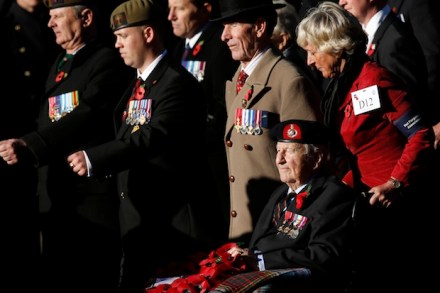
One remarkable fact of recent years is that even as the veterans of the first world war have died and as those who served in the second world war have headed through their eighties and beyond, the memory of the 20th century’s two most devastating wars has continued to be honoured with thoughtfulness and devotion. The idea of commemorating those who defended and saved this country has lost none of its potency. This year, as we head towards the 100th anniversary of the start of what was meant to be the war to end all wars, there are more British poppies in evidence than ever. Our part in the Allied victory over Nazi Germany in particular has become one of the few indisputable moments of our history about which all British people can feel legitimate and unalloyed pride.

John Cole: ‘An institution cherished by the viewing public’

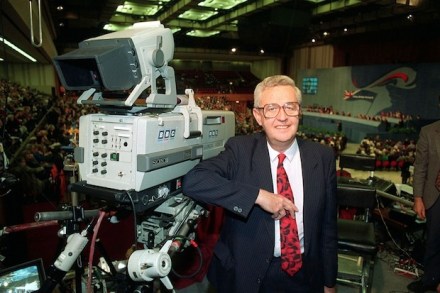
The BBC’s former political editor, John Cole, has died aged 85. As their political reporter during the Thatcher era, he covered many major stories concerning her, including the miners' strike and the Brighton bombing. We have dug up from the archive a review, by John Campbell, of Cole’s memoir, ‘As it seemed to me’, from April 1995.  John Cole's Ulster accent was a shock to metropolitan ears when he became the BBC's Political Editor in 1981. Scottish or Yorkshire voices were no problem, but there was unfamiliarity amounting almost to incongruity in hearing that particular accent discoursing on subjects wider than the tribal politics of Northern Ireland.