The Spectator

Portrait of the week | 21 November 2013

Home The government announced proposals for the National Health Service, including a law to criminalise wilful neglect by doctors and nurses, and a scheme to post online the numbers of nurses on wards. By the end of October, 219 households had seen work completed to insulate their houses under the government’s Green Deal, launched last January. Nick Boles, the planning minister, suggested that David Cameron, the Prime Minister, might like to revive the National Liberal Party, an organisation affiliated to the Conservative party from 1947 to 1968. The Foreign Office summoned the Spanish ambassador after a Spanish ship entered waters off Gibraltar and undertook surveying activity for 20 hours.
Is addiction a disease?

Tonight, the Spectator will host a debate on the motion: ‘Addiction is not a disease’.  Damian Thompson, Theodore Dalrymple and Dr Aric Sigman will lock horns with Trinny Woodall, Dominic Ruffy and Vic Watts to decide whether addiction is a medical condition or a pattern of immoderate behaviour. The extraordinary story of Reverend Flowers is likely to feature in the discussions. As Melanie Phillips writes in this week’s Spectator cover piece: ‘So what about all those drugs and orgies? The behaviour which even his former rent boy described as ‘debauched’? How could a man with such predilections have got away with being a Methodist minister for 40 years?

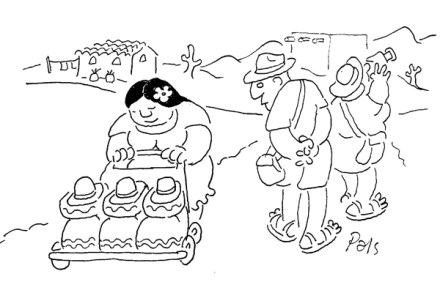
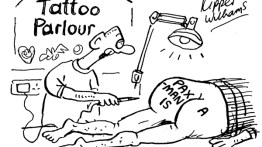
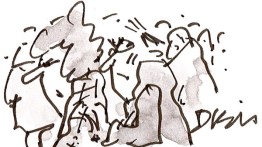
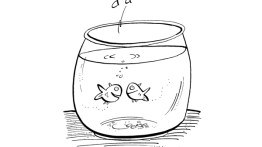
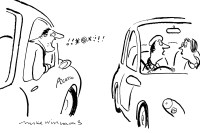
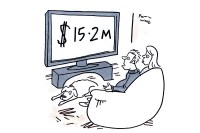
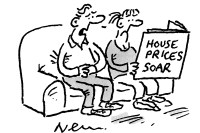
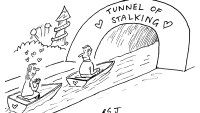
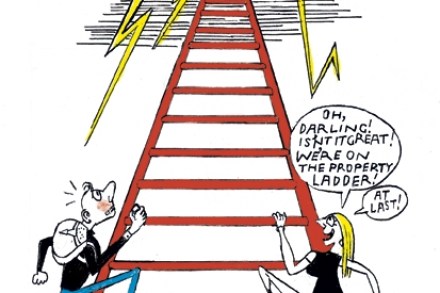
The 2013 Michael Heath Award for cartooning  — shortlist (part I)

Nine cartoonists are shortlisted for the first ever Michael Heath Award for cartooning. The theme of the contest, sponsored by John Lobb, is ‘Man in Motion’. Work by four of the shortlisted artists is below. We’ll print four more next week, and the winner on 7 December. Thanks to all who entered — and congratulations to those on the shortlist.

Spectator writers’ Christmas book choices

Byron Rogers Rhys Davies by Meic Stephens (Parthian, £20). This is the first full-length biography of the grocer’s son from the Valleys who, in the course of a long and industrious life spent mainly in London (where guardsmen were), wrote over 100 short stories and 20 novels and was hailed as the Welsh Chekhov. Helpfully, he encouraged his countrymen to follow his example: ‘Stop thinking of yourself as a Welsh writer. Consort as much as possible with people who dislike Wales or, better still, are completely indifferent to her.’ A funny and quite delightful book.