The Spectator

France

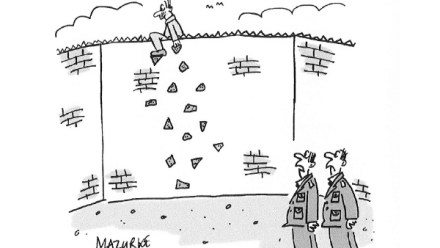
‘Oh yeah? Well, we used to walk to France for the weekend till you gang of weirdos started that messin’ about with the environment.’

Calling

‘I’m calling to find out if you got my text about the email I sent regarding the letter I wrote...’

Five more MPs making Malcolm Rifkind’s day rate

Golden league Some MPs who earn Sir Malcolm Rifkind’s rate of £5,000 a day: — Sir Tony Baldry (Banbury): £3,333 for four hours work as deputy chairman of Woburn Energy. — Greg Barker (Bexhill and Battle): £20,000 for 30 hours providing advice to Ras Al Khaimah Development LLC. — Henry Bellingham (NW Norfolk): £7,500 for

Portrait of the week | 26 February 2015

Home Sir Malcolm Rifkind, the former Conservative foreign secretary, resigned as chairman of Parliament’s Intelligence and Security Committee and promised not to stand for Parliament in May after he and Jack Straw, the former Labour foreign secretary, were suspended from their parties. This followed their being separately secretly filmed apparently offering their services for payment

The Spectator at war: Animal sentries

From ‘Animal Sentries’, The Spectator, 27 February 1915: OBSERVERS of birds have been much interested by the evidence, which seems to be fairly satisfactory, that pheasants in as remote a part of England as Westmorland were disturbed by the firing in the North Sea on the day of Sir David Beatty’s action and showed many

From the archives | 26 February 2015

From The Spectator, 27 February 1915: Observers of birds have been much interested by the evidence, which seems to be fairly satisfactory, that pheasants in as remote a part of England as Westmorland were disturbed by the firing in the North Sea on the day of Sir David Beatty’s action and showed many signs of excitement.

The Spectator at war: The price of failure

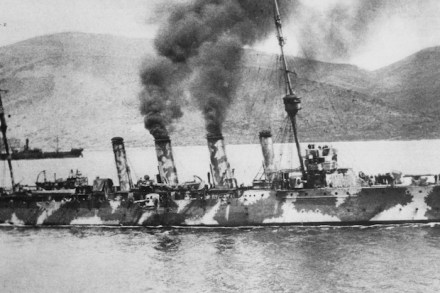
From ‘The Attack on the Dardanelles’, The Spectator, 27 February 1915: THE British public have recognized the importance of the attack on the Dardanelles. They have seen instinctively that it means a great deal more than the mere bombardment of the vulnerable points offered by the enemy’s forts on the European and Asiatic sides of

The Spectator at war: Romantic bombardment

From ‘News of the Week’, The Spectator, 27 February 1915: A MOVEMENT which will appeal to many people as the most significant and romantic in the war was begun on Friday week, when an Anglo-French fleet appeared off the Dardanelles and bombarded the forts. Early in the morning Cape Relies and Kum Kaleh were bombarded