Simon Heptinstall

AI’s come for our carmakers

During the first half of this year, Chinese carmakers achieved a feat of hyper-production that sounds less like industrial manufacturing and more like a plague of locusts. In just six months, they unveiled 650 new models – an average of four brand-new cars every day. At the same time, on the other side of the Pacific, Elon Musk abandoned Tesla’s car assembly lines. He retooled the entire factory to mass-produce the Optimus humanoid robot. What on earth is happening to the world’s car industry? These two bizarre developments seem to signal the end of the global automotive industry as we know it. The age of spanner-wielding, oily-fingered car worker emerging from under a jacked-up rolling chassis appears to have been vaporised.

How Volkswagen drove its own demise

I moved on from most of my father’s automotive prejudices. He refused to buy from the Japanese ‘who treated our prisoners so cruelly’, French and Italian cars would ‘always let you down in the end’ and Fords were gaudy creations of ‘big-headed Americans’. Instead, it was Volkswagen (VW) I never trusted. Stupidly stuck in a bygone era, I couldn’t get over that infamous 1938 photograph of Adolf Hitler, smiling with childlike delight, leaning over a miniature Beetle. Beside him, in a smart civvy suit, SS Colonel Ferdinand Porsche gleefully shows off the prototype. The foundation of Volkswagen is the definitive portrait of a dictator and his sycophants. Okay, it’s 88 years later and I don’t like hearing about people losing jobs, even at VW.

Why the death of the manual car matters

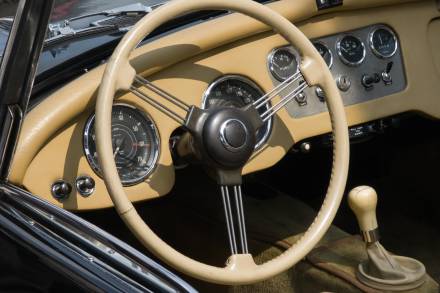
There was a time when any travel involved engaging in a delicate, tactile negotiation with the material world. To step into a motor car (or climb aboard a railway carriage or board a steamer) was not merely about changing your location but a chance to operate a complex mechanical instrument.   Car drivers listened to the rising baritone of the engine, felt the precise vibration of the engine revs and – with a smooth, practised movement – slotted the gearstick into place. It was a sensory dialogue – a minor act of humanity and engineering combined to delightfully punctuate any journey.

The rise of ‘autobesity’

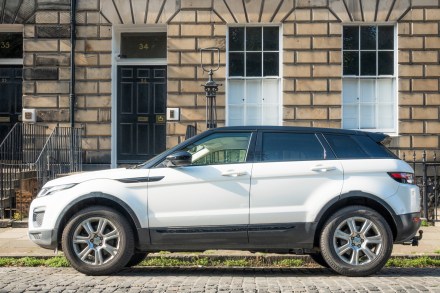
It’s a busy Saturday morning and in the supermarket car parks of Britain we are forced to indulge in a cartoonish game of automotive Tetris, performing 15-point turns to coax our modern SUVs, EVs and people-carriers into parking spaces painted in 1971 for a Morris Minor. Alloy wheels scrape kerbs and mirrors bang bollards as children are extracted through two-inch gaps in doors that can now barely open.   The monstrous inflation of modern car sizes crashed into the headlines last week with the latest transport crisis dubbed ‘carspreading’ or ‘autobesity’.

The British road trip is over

You set off on a spring morning, windows down, full of hope. Sunglasses, flasks of tea and a picnic rug are packed. You are ready to experience the freedom of the road, leave your worries in the rear-view mirror, put pedal to the metal (and every other optimistic road trip cliché). Follow the brown signs to the Pembrokeshire Coast 200, South West 660, Wales Way, Antrim Coast Road or any of the other curated, promoted and hash-tagged routes now crisscrossing the UK.

Blame the EU for your increasingly bossy car

When Eileen, a 75-year-old British grandmother, bought a brand-new car she found its advanced driver-assistance repeatedly told her the speed limit in a 30mph zone was 80mph and then kept jerking the steering wheel to ‘correct’ her, even when she was trying to park. She told Which? that driving had gone ‘from a lifeline to a nightmare’. ‘I’ve seriously considered getting some old, beat-up car from five years ago that doesn’t have this technology,’ she said. Car safety features are boring and intrusive, like having a man with a clipboard and lanyard permanently in your backseat. Indeed, the Which? survey of more than 1,500 motorists found we are increasingly switching off all that ‘safety’ tech because it’s actually dangerous, distracting or useless.

The scourge of the cultural inheritance tax

Remember when history cost a few shillings? We wandered through romantic ruins, wondered who painted that dusty landscape above the fireplace, brushed lichen off carved stone and got shoes muddy spotting weeds in herbaceous borders. Visiting was about letting the quiet authority of age do its work; the place spoke for itself. After a financially bruising encounter with a sequence of heritage attractions in the past month, I’ve realised this experience is no longer available in Britain. Accessing our history today means a digital entrance gate, a logo, a QR code and a moral message – plus a fee that makes your eyes water. At St Paul’s Cathedral, the entry price for an adult is £26. A couple fork out £52 even before the gift shop. It cost £9 in 2007.