For generations we relied on the good old flat-capped honesty of the onion. It was unpretentious, predictable and perfectly content to hide in a bag at the dark recesses of kitchen cupboards until dragged out, to be chopped into the bottom of a mince or fried into submission as the ‘healthy’ garnish in a bapped burger. Onions knew their place.

But over the last few months, an allium armada has breached our shores. An aggressive amphibious landing has invaded Middle England’s supermarkets and thus the showier parts of my kitchen units. These are shallots: small pink immigrants arriving in vast, unstoppable numbers. Once a snobbish continental import, confined to French bistros, Gordon Ramsay F-word masterclasses and upper-middle-class Waitrose baskets, the shallot has suddenly become a UK supermarket staple.
The onion, of course, is a natural-born Brit. The majority are pulled straight from soggy, no-nonsense fields in places like Lincolnshire or Kent. The vast bulk of these new- age shallots, however, originate in the Netherlands or Brittany. Of course they’re not newcomers over there. They’re long-standing culinary cornerstones. In traditional French gourmet lore, you cannot call a sauce a true Béarnaise if it uses standard onions. The French view the shallot as an entirely distinct taste; using an ordinary onion instead of a minced shallot is considered a gastronomic crime that might instantly disqualify a chef in a classical French kitchen exam.
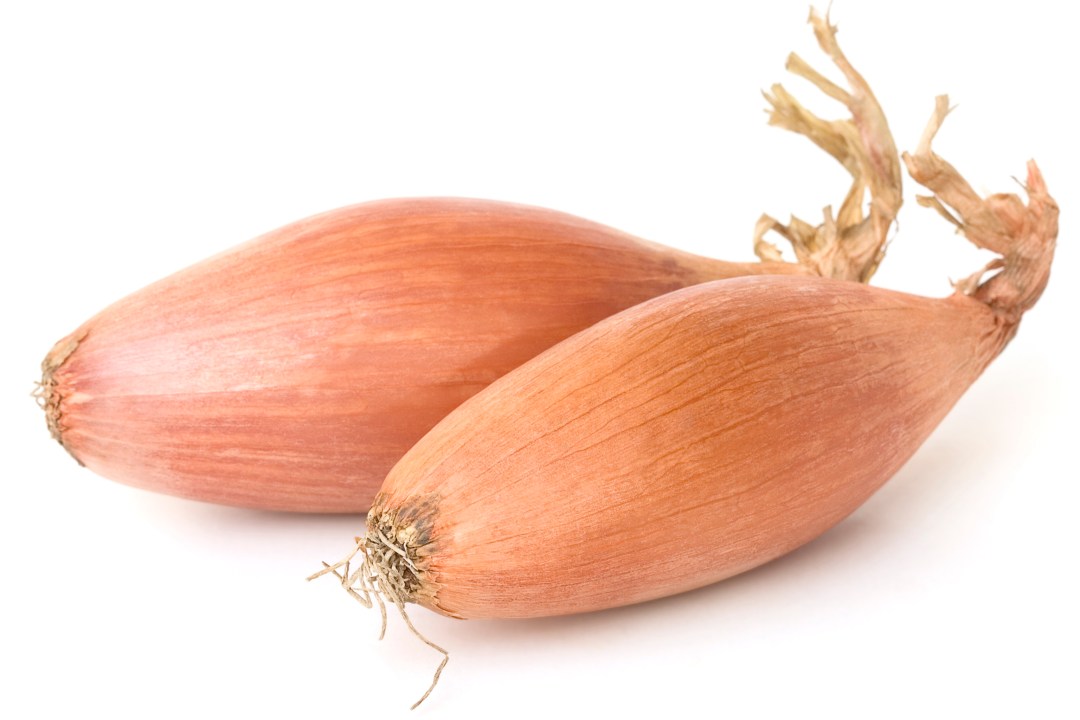
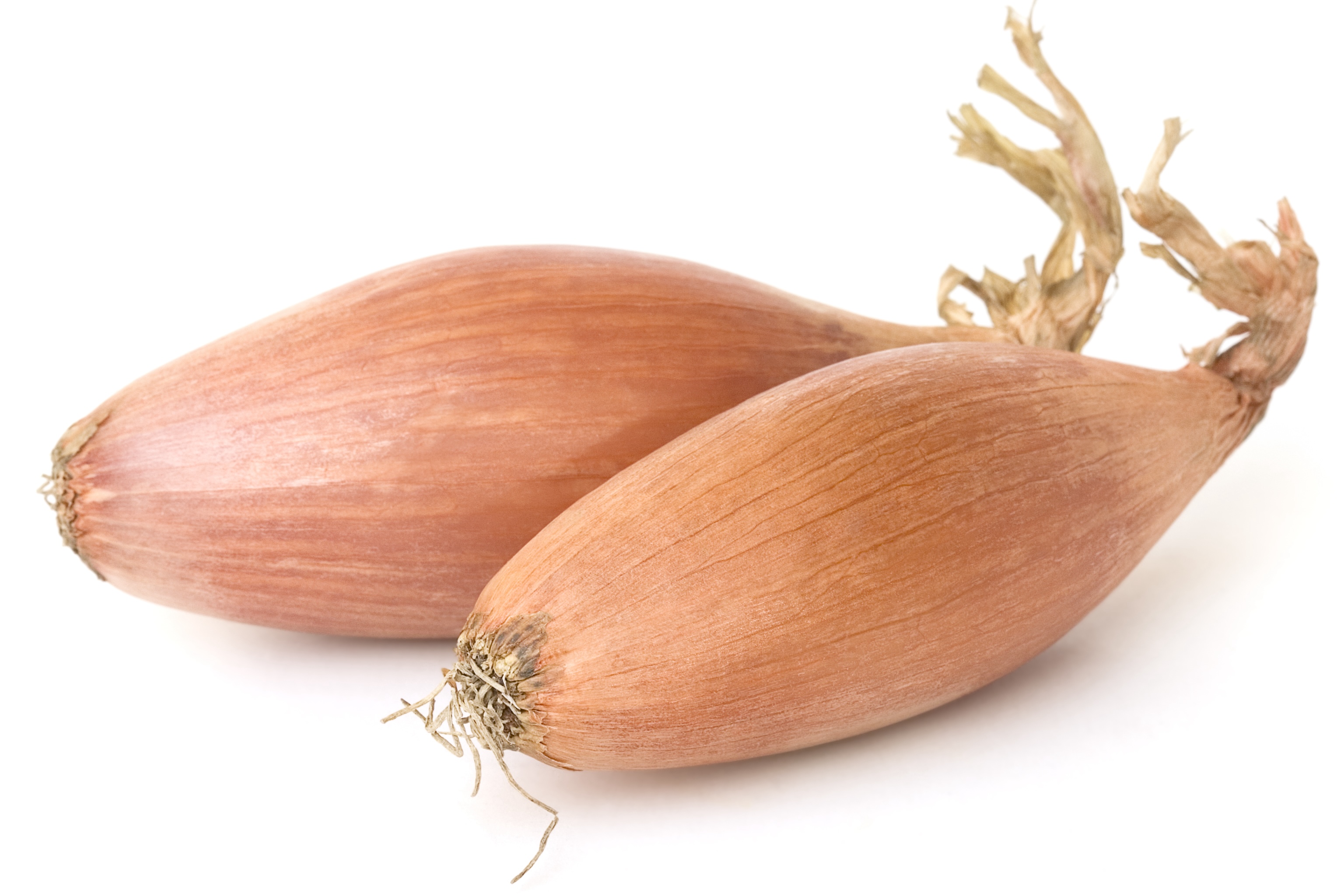
In our own kitchens, in contrast, the usurping of the onion has been weirdly sudden. Driven by the algorithmic currents of TikTok’s influencer chefs and posh ready-meal kits that now drop onto middle-class Corian worktops like humanitarian rations, the shallot has executed a quiet takeover. Home cooks who once dourly chopped a sturdy brown onion are now meticulously peeling delicate, teardrop-shaped boutique bulbs. The reward: all the punch of an onion, the delicate sweetness of garlic, but crucially, none of the harsh, throat-burning sting when eaten raw.
The onion, of course, is a natural-born Brit. The majority are pulled straight from soggy, no-nonsense fields in places like Lincolnshire or Kent
Out of the blue, Britain has suddenly become the second-largest allium importer in the world, our native pallet absorbing £176 million worth of the continental interlopers annually. While the traditional onion crop proudly occupies 25,000 acres of prime British topsoil, the domestic shallot’s footprint is a pathetic 370 acres. We simply do not grow them. The overwhelming majority of the pink tide is being imported from the EU.
Which brings us to politics, of course. Surely the cold realities of Brexit would have checked this foreign vegetive incursion? Remainers must surely have nightmares about lovely, colourful continental vegetables being brutally turned away at our ports. But the pink armada enjoys friends in high places. Last year DEFRA quietly intervened, with classic British diplomatic appeasement. The Starmer government scrapped physical border checks on EU fruit and vegetables in the name of maintaining adequate food supplies. While British farmers drown in endless red tape to export a single sausage to Calais, Dutch and French shallot growers have been granted what amounts to diplomatic immunity. They are waved through customs with a polite nod so that Middle England doesn’t have to suffer a shortage of salad dressings.
To supermarkets, the true genius of the shallot revolution lies in its economics. The humble and homely brown onion weighs in at around 95p per kilo. Fashionable Echalion shallots command an audacious £3.88 per kilo – a 400 per cent luxury premium for what is essentially a sweeter, better-dressed cousin. Four times the price. To cook with shallots is an act of fiscal vanity, the vegetive equivalent of buying flat white instead of instant; a small, daily indulgence that signals we have successfully evolved beyond the basic stews of our ancestors. We are living through the Day of the Shallot.
Carpet-bombing of viral social media had prepared the ground with fantasies of shallot pastas and dressings. Then Lidl weaponised the demand by using shallots as a high-value ‘loss leader’ to pull millions of shoppers away from traditional supermarkets. When the supermarket nationally introduced premium Echalion packs at a provocative 5p last Christmas, it triggered a literal civilian stampede. Restaurant traders began raiding aisles, their hoarding forcing Lidl stores to implement strict checkout controls of three bags per customer.
It culminated in a bizarre case this summer where the chain had to fork out £25,000 to a Blackburn shopper, evidently dressed in traditional Islamic religious attire, who had been falsely accused of buying more than his fair share of shallots at a check-out at Christmas.
When a tiny continental root vegetable starts causing supermarket rationing and High Court settlements, the invasion is surely well underway. The poor old onion workhorse of the pantry has lost control of its homeland. The pink tide of taste is here and for the first time it’s the onions that are left to shed a tear.




Comments