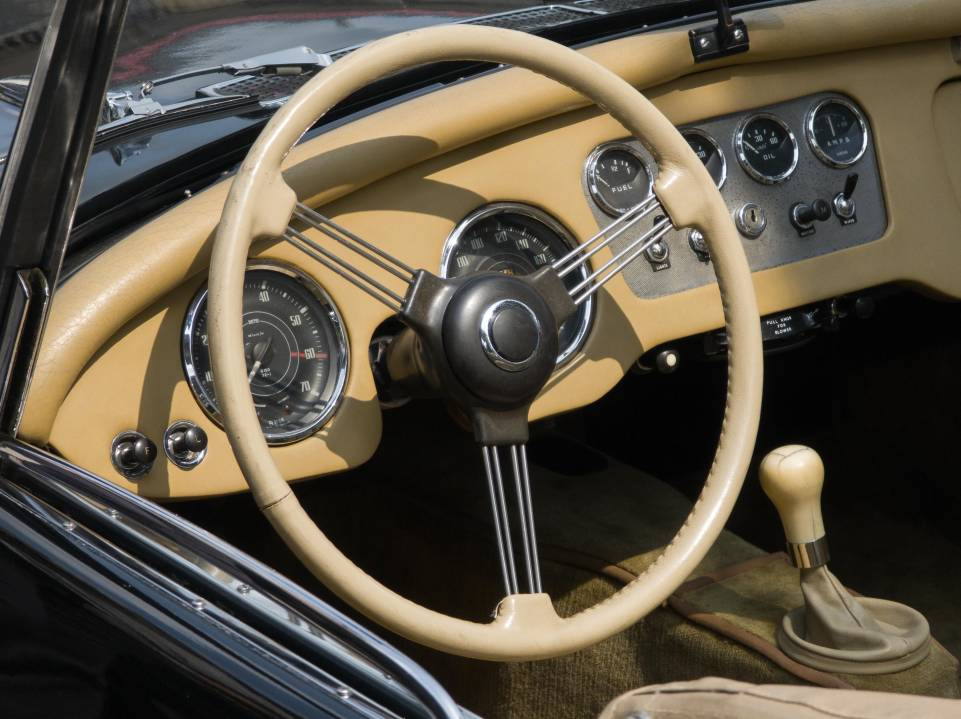
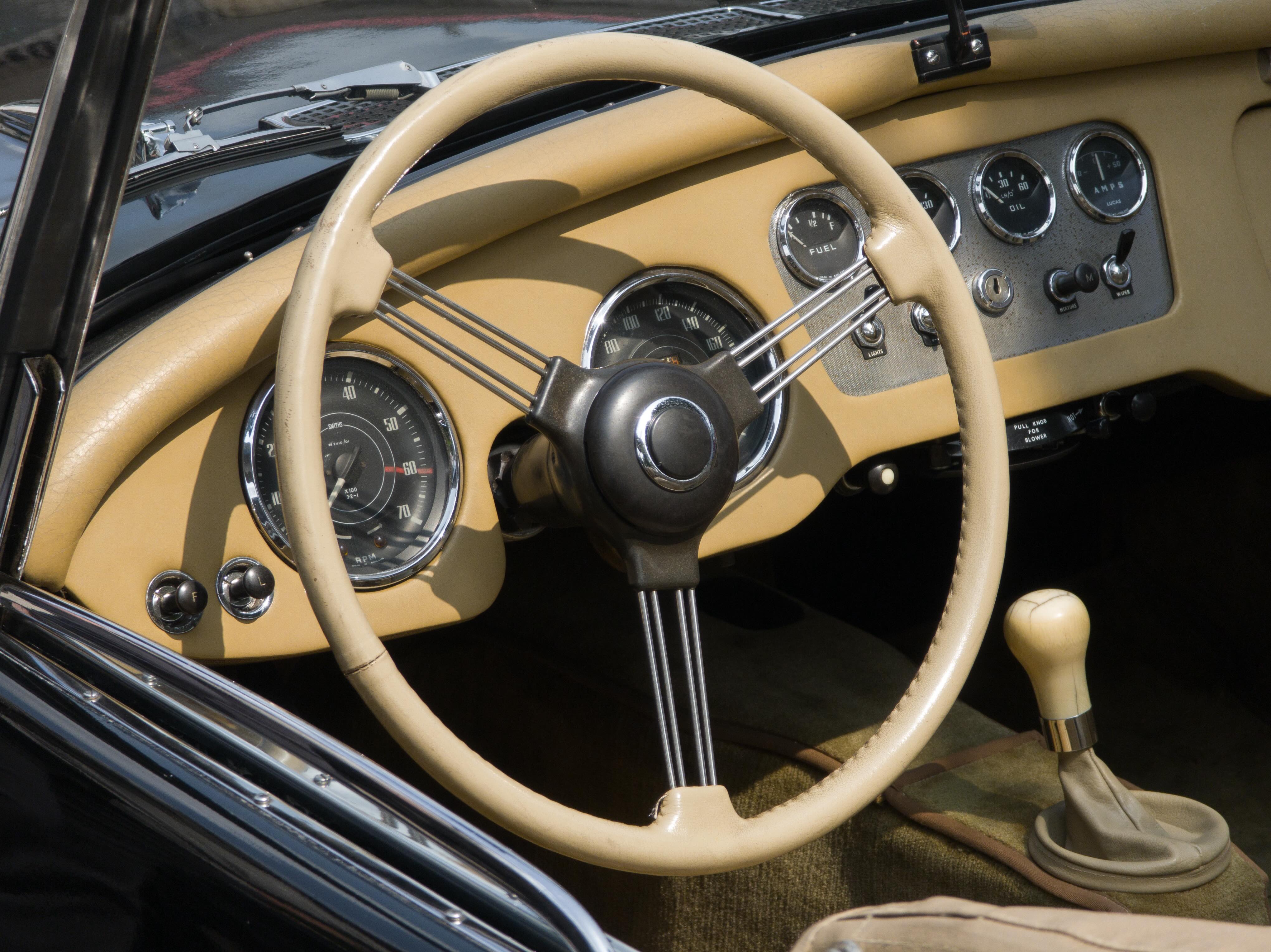
There was a time when any travel involved engaging in a delicate, tactile negotiation with the material world. To step into a motor car (or climb aboard a railway carriage or board a steamer) was not merely about changing your location but a chance to operate a complex mechanical instrument.
Car drivers listened to the rising baritone of the engine, felt the precise vibration of the engine revs and – with a smooth, practised movement – slotted the gearstick into place. It was a sensory dialogue – a minor act of humanity and engineering combined to delightfully punctuate any journey. I have adored changing gears in some cars, like a characterful old Alfa, a cheeky MR2 or a gun-bolt precision of a Porsche 911.
Anyway, whatever the marque or memory, that dialogue will soon be silenced. Data released earlier this month via Auto Express Marketplace reveals enquiries for new manual cars have collapsed to a record low of under 8 per cent. In 2000, manual gearboxes accounted for 86 per cent of UK car sales. Now the industry expects no new cars will offer them within four years.
Gear changes will be handled by the sterile efficiency of computerised multi-speed automatics or you’ll travel in a whirring single-speed electric thing. To today’s technocratic engineer, the clutch pedal is a design flaw – an unnecessary bit of ‘friction’ to be ironed out. Yet its disappearance signals a more profound cultural shift: the robotisation of transport and our dissociation from the journey itself.
I thought long and hard about the best possible contrast with that bland vision of travelling. This is my best shot: Steve McQueen’s pumping right arm in the 1968 film Bullitt. It is a deliberate, physical action, used by the director to demonstrate that McQueen isn’t merely choosing a different cog ratio, he is wrestling with a four-speed Borg-Warner gearbox, his hand clamped on a white cue-ball shifter. When he overshoots a corner, there is no automatic override or stability control. He aggressively stamps on the clutch, yanks the lever into reverse and fights the Mustang back into line.
The rapid, rhythmic, back-and-forth shifting gear-change sounds in Bullitt were so distinct they gained a cult following. Those exact recordings were re-used in shows and films like The Cannonball Run, Assault on Precinct 13, The Rockford Files and The Dukes of Hazzard. It’s even in the Grand Theft Auto V video game. The hum to the sound is that speed is synonymous with driver virtuosity. For decades it provided a lovely subliminal thought as you changed down to third gear to tackle a busy suburban roundabout on the school run.
The Bullitt gearchange noise is so iconic, Ford engineers used acoustic spectrum mapping of the film’s car chase to tune the exhaust system for modern Mustang Bullitt models, which also featured a white cue-ball gear shift. In fact, gearchange noises are so nice that some new electric vehicles are including fake ones. Honda’s new Super-N pairs simulated engine noise with artificial drops in electric power, mimicking the physical jerk and sound of gear changes.
The car industry wants to decouple the human from the machine
McQueen’s gorgeous gearshifts may be echoing down the ages, but most modern cars are no longer built to connect us to the road. Rather, they insulate us from it. Double-glazed windows, acoustic isolation and automatic gearboxes are designed to help you forget you are moving through physical space. We have been demoted from drivers to cargo, sitting in a mobile living room while computers handle the physics.
Surely it’s not just weird old car owners with flat caps and leather driver gloves who consider a great gearbox to be more than a simple appliance? It is an instrument. When Mazda designed the Mazda MX-5 in 1989, the top-selling roadster of all time, its engineers minutely studied all other sports car gearboxes. They wanted to create the perfect gearshift because they knew it was a vital sensory component. They calculated that each shift should be exactly 45 millimetres and designed it to plunge directly into the machinery to provide a distinctly satisfying mechanical clunk.
The car industry wants to decouple the human from the machine because if a driver is engaged in the joy of gear changes, they aren’t looking at digital dashboards, interacting with subscription services or viewing targeted advertisements. A dissociated passenger is far more profitable than an engaged driver.
Perhaps I’m going into overdrive about a simple gear stick. But it’s a process. First, computers take over the gears. Next, with lane-keep assist and adaptive cruise control, they handle pedals and steering. The ultimate destination is the autonomous soulless robotaxi. And before you say it, I do appreciate the irony of using artificial intelligence to help spellcheck my prose, outsourcing the mechanics of writing to a server farm in Virginia, while simultaneously lamenting the loss of the clutch pedal. We’re all hypocrites now.
Am I to conclude that we are all so obsessed with the destination at the expense of the journey? The manual car is a stronghold against this passive numbness. The gear lever isn’t dying because it is bad; it is dying because it requires human effort – and in the 21st century, effort is out of fashion.





Comments