Shiraz Maher

‘Unprecedented’ sanctions could still be powerless

Are sanctions among the most pointless tools in contemporary diplomacy? That certainly seems to be the case in Syria where sanctions have been in place against the Assad regime ever since he launched a brutal crackdown against his own people 16 months ago. Last week, Wikileaks began releasing a massive tranche of emails from Assad’s inner circle which will make uncomfortable reading for many companies in the West. They reveal that in May 2011 a subsidiary of Finmeccanica, the Italian defence manufacturer, sold over £30 million worth of equipment to the Syrian government just when an EU trade embargo was being placed on the regime.
Prevent strategy still needs political will

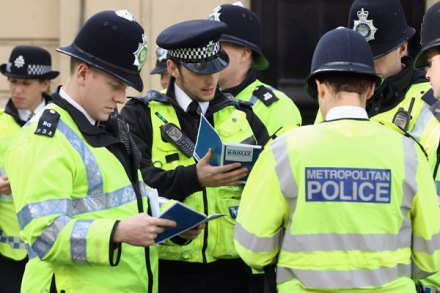
West Midlands Police have just announced seven arrests as part of an investigation into alleged terrorist activity. This follows the detention of six individuals on similar charges across London yesterday. Together, they reveal just how active the Islamist network in the UK remains and the potency of its ongoing threat. One of those arrested in London yesterday, a convert, Richard Dart (also known as Salahuddin al-Britani) first came to prominence last year when his step-brother featured him in a documentary called ‘My brother the Islamist’. It offered a rare observational view on the inability of one family to comprehend the militancy and millenarianism of their son.

The struggle to deal with foreign terror suspects

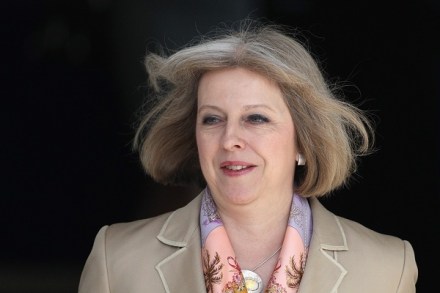
Abu Qatada, the Islamist cleric once branded ‘Osama bin Laden’s ambassador to Europe’, has dominated headlines in recent months as the government struggles to return him to Jordan. Theresa May wanted to take a hard line against foreign clerics operating from Britain but has found her hands tied by the European Court of Human Rights. Indeed, she pledged to deport Qatada, only to be overruled by the European courts. This setback took on added significance yesterday when the United Nations confirmed that it has removed Saad al-Faqih from the al-Qaeda sanctions list which freezes the assets of persons believed to be associated with the group.

Plus ça change in Cairo

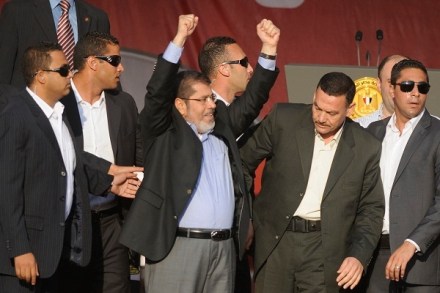
Don’t expect Cairo to become Kabul now that the Muslim Brotherhood’s presidential candidate, Mohammed Mursi, has been sworn into power earlier today. There are real fears, of course, about the future of Egypt under an Islamist president and it’s foolish to whitewash Mursi as either moderate or benign. The Muslim Brotherhood is a deeply reactionary and dangerous group, but Mursi will find it extremely difficult to implement the more radical aspects of his agenda.   Officially, the Brotherhood has said it will respect all existing treaties – a subtle attempt to placate fears about Egypt’s future relations with Israel.

Pakistan’s descent into chaos

Few countries elicit as much bewilderment as Pakistan — unstable and unreliable, it is simultaneously a friend and foe. Indeed, over the last decade Islamabad has arguably aided the War on Terror as much as it has hindered it. The stakes could barely be higher. A nuclear power in which terrorist groups operate with near impunity, it sits in the strategic heart of South Asia bordering Iran, Afghanistan, China, and India. Its Baluchistan port, Gwadar, is just 200 miles from the Straits of Hormuz — a vital channel for seaborne oil exports threatened with blockade by the Iranians should it be attacked. The United States may well be looking to withdraw from Afghanistan in the coming years, but it cannot not exculpate itself from the region for the foreseeable future.