Sebastian Payne

Briefing: Britain — a Christian country?

From our UK edition

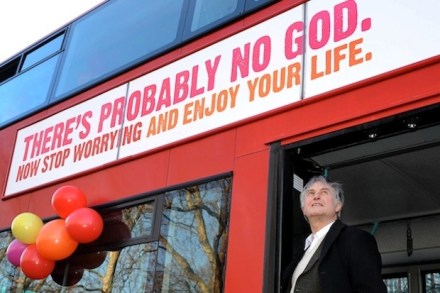
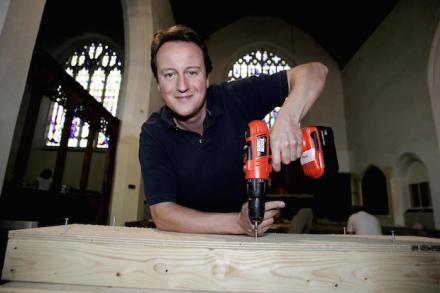
Is Britain still a Christian country? There is no straightforward answer to that question, as David Cameron discovered to his cost this weekend. The ongoing row began with an article the Prime Minister wrote for the Church Times last week, arguing that Britain should not be ashamed of its Christian ethos: ‘I believe we should be more confident about our status as a Christian country, more ambitious about expanding the role of faith-based organisations, and, frankly, more evangelical about a faith that compels us to get out there and make a difference to people's lives’ In response to this, fifty notable public figures — from Tim Minchin to Terry Pratchett — wrote to the Telegraph warning that the Prime Minister’s remarks will cause ‘alienation’.
Britpop 20 years on: the Tory voters who love Oasis

From our UK edition

It’s twenty years since the height of Britpop, but does anyone still care about it? YouGov has carried out some polling on the subject today. Although 35 per cent stated that they like or really like Britpop (compared to 20 per cent who dislike/really dislike), 44 per cent replied 'don’t know'. There’s also a lot of indifference on whether music has been better or worse since. Nine per cent think better, 26 per cent worse, and 34 per cent stated they also don’t know. At the height of Britpop, Oasis painted themselves as a working class band, the lads, in contrast to the perceived effete and posh boys of Blur. Based on this public image, one would expect Oasis fans to be natural Labour supporters (like Noel Gallagher, who posed in No.

Podcast: Atheism’s crisis of faith, whether Cameron ‘ does’ God and holidaying in Athens

From our UK edition

Is atheism in trouble? On this week’s View from 22 podcast, the Spectator’s Douglas Murray and Freddy Gray discuss our Easter cover feature on the return of God. Why has atheism hit the intellectual buffers? Can Britain still be considered a Christian country? Is the church losing the argument against government policy on matters such assisted dying? Should atheists be worried by the loss of Christian values in our society? And, with church attendance in free fall, is it not religion that’s in decline? James Forsyth and Fraser Nelson discuss the role of religion in politics. Why is Ed Miliband’s atheism less controversial than other past Labour leaders who were non-believers? Why does David Cameron occasionally ‘do’ God?

Modern Britain: little islanders who love the Queen and Richard Branson

From our UK edition

Who and what represents Britain today? Our country has changed significantly in the last few decades; but, a batch of YouGov polls published this weekend suggest that traditional notions of what is British remain remarkably unchanged. The public was asked to choose which prominent people they think reflect Britain today. Members of the Royal Family occupy four of the top five positions — the Queen, Prince William, Harry and the Duchess of Cambridge — while fifth spot is represented by the nouveau riche Richard Branson: David Beckham is the only mega celebrity to have made this list.

What if mayors ruled the world?

From our UK edition

Once, countries competed. Now, cities do. Take the above video of Stockholm, boasting about being the best place in the world to live and work. As the magician says, 'it’s not a coincidence' that the Swedish capital is doing well. It's an example of all that can go right in a city, thanks to the power of elected mayors. Since 1920, Stockholm has had a variety of powerful leaders who have shaped the city with their own vision. As the magician explains, it’s a great place to live. It’s not just Stockholm that has benefited from a good municipal leader. Plenty of other cities are thriving without help from their national governments.

Podcast: Can William Shakespeare save the union, plus Maria Miller’s resignation

From our UK edition

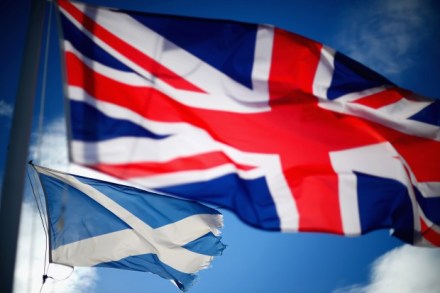
Did William Shakespeare invent Britain and can he save it? On this week’s View from 22 podcast, Fraser Nelson debates this week’s Spectator cover feature with the SNP’s Westminster leader Angus Robertson. Do the English and Scots have many cultural values in common? Are there any other countries contemplating splitting up who are so similar? Is there a political disconnect between the two countries, or is the ‘No’ campaign simply losing the debate? James Forsyth and Isabel Hardman also discuss Maria Miller’s resignation and what it means for David Cameron. Was she pushed out of her job or did she jump? Has the Prime Minister's reputation and judgment been damaged by supporting her for too long? Will there be any long-term effects for the government?

Governments have failed — mayors are the future

From our UK edition

As Michael Bloomberg approached the end of his time as Mayor of New York, Americans expected him to run for the White House. He had the money, the profile and the ego to be President. But the problem, as it turned out, was his ambition — he had too much of it to settle for the Oval Office. As he put it: ‘I have my own army, the seventh largest in the world. I have my own state department and I don’t listen to Washington very much.’ His ambition, it turns out, was not to be the next President of the United States. He wants to be Mayor of the World. Bloomberg is deadly serious. Since stepping down last Christmas he has recruited a hit team of government advisers who intend to travel the world giving advice on how to run cities.

Podcast special: Maria Miller’s resignation

From our UK edition

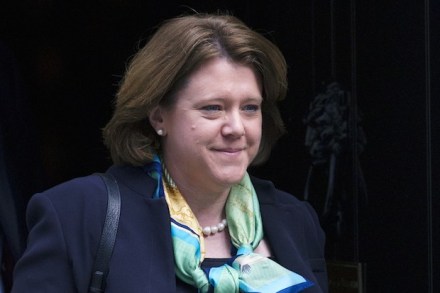
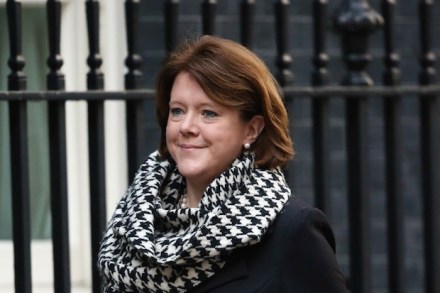
Why has Maria Miller finally decided to resign this morning? The Spectator's Fraser Nelson, James Forsyth and Isabel Hardman discuss in this mini-View from 22 podcast on what the resignation of the Culture Secretary means, the damage it has done to the Prime Minister and No.10 as well as what to look out for at PMQs today.

Briefing: Maria Miller’s marginal critics

From our UK edition

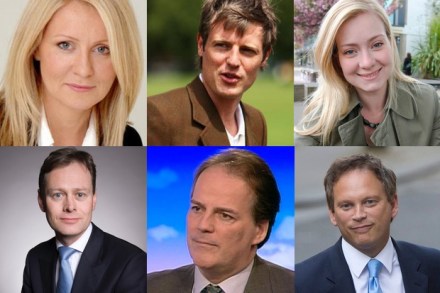
Day five into the Maria Miller debacle and the calls for her resignation keep on coming. As Isabel reported earlier, more MPs are starting to break cover. Many of the critical Tories are speaking to the press anonymously, but some have been more vocal, especially the younger MPs who sit in marginal seats - who are more conscious of the slings and arrows of outraged voters. Here’s a breakdown of some MPs who have criticised Miller publicly and what their motivations might be: Esther McVey ‘I can honestly say it wouldn’t be how I would have made an apology’ The Employment Minister is widely tipped for promotion in the near future.

Will Maria Miller become a victim of the ten-day rule?

From our UK edition

Today’s newspapers do not make happy reading for Maria Miller - or David Cameron. After informing the press that it was ‘time to draw a line’ under Miller’s expenses, he ought to have known what to expect. The Sunday Times splashes with ‘MPs can’t be trusted on expenses’ while the Sunday Telegraph quotes an anonymous minister saying ‘Maria must go’. The Mail on Sunday has commissioned some polling, to the effect that 80 per cent of the public want her out of the cabinet. According to the Survation polling, 82 per cent of Conservative voters want her to be sacked, while two thirds of Tories think she should resign from Parliament: [datawrapper chart="http://static.spectator.co.uk/z8bs7/index.

An afternoon in Tower Hamlets on the stump with Lutfur Rahman

From our UK edition

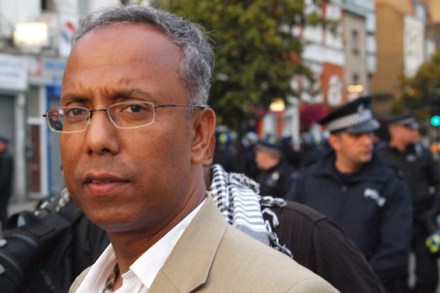
It’s been a busy week for Lutfur Rahman. On Monday, the mayor of Tower Hamlets was the subject of a Panorama investigation, which alleged he had misdirected public funds. Yesterday, Eric Pickles announced he was sending in PricewaterhouseCoopers to conduct a fraud investigation. Rahman has vehemently denied all of the claims, describing the BBC as ‘Islamophobic’. On Thursday, he announced a ‘community walkabout’ to counter #PanoramaLies, so I decided to go along and find out what Rahman had to say. Arriving outside at the Sir John Cass School in Stepney this afternoon, I found a group of around 75 waiting for the mayor. There was a fraternal vibe (I did not spot a single woman during my time there) amongst the crowd, who hugged and greeted each other.

Elizabeth Truss: look at Wales to see what Labour would do with education

From our UK edition

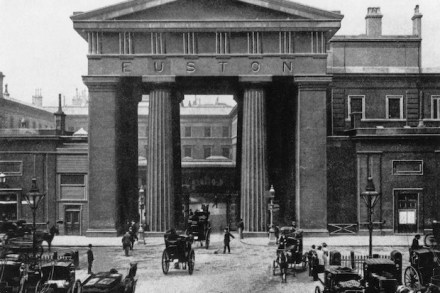
Want to see what Labour would do with Michael Gove’s reforms? Just look at Wales, says Elizabeth Truss. At the Spectator’s schools conference this morning, the Childcare Minister used the demolished the Euston arch (pictured above) as a symbol of how Britain went wrong, and its HS2-stimulated rebirth of how this government is making amends. Speaking after a robust lecture from Tristram Hunt, Truss explained how the changes to education in Wales have set a dangerous precedent of what a Labour government might do. She pointed out that after abandoning national testing, Wales has fallen to 40th in international league tables for maths: 'In terms of accountability, this is one of the big issues with Wales and why they’ve fallen down so dramatically.

Podcast: Adapting to climate change, monogamy in gay marriage and new forms of electioneering

From our UK edition

Is the world finally realising it has to adapt to, rather than halt, climate change? On this week’s View from 22 podcast, Matt Ridley discusses this week’s Spectator cover on the IPCC’s latest climate change report with Fraser Nelson. What do the findings mean for climate sceptics and the green lobby? How has the received wisdom on climate change shifted over the past eight years? And how big of a political issue is climate change? Julie Bindel and Douglas Murray also discuss gay marriage and the new responsibilities that come with it. Should gay marriages follow the same monogamous virtues as heterosexual marriages? Has the gay rights movement been taken over by too many conservative ideals? Is marriage a failed institution anyway?

Lutfur Rahman and Tower Hamlets — an example of why elected mayors don’t work?

From our UK edition

Is Eric Pickles about to send government troops into Tower Hamlets? Last night’s Panorama examined Lutfur Rahman, the borough’s independent directly elected mayor, who is accused (amongst other things) of mismanaging public funds to purchase influence within certain communities. The programme outlined how Rahman has allegedly ignored the advice of his own officials on distributing money and more than doubling funds to projects in Tower Hamlets’ Bengali community— of which more than two thirds were responsible for electing him in 2010. Rahman has denied all of the allegations against him, calling the BBC Islamophobic, a charge the BBC has in turn refuted in vigorous terms.

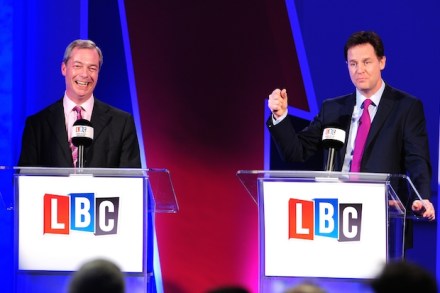
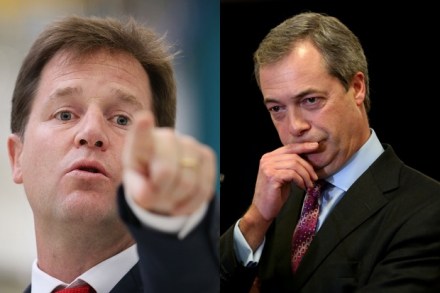
Will Nick and Nigel be sidelined from the 2015 TV debates?

From our UK edition

Has last night’s debate affected Nigel Farage’s chances of being involved in the general election TV debates? Although the broadcasters and political parties have yet to agree any dates or formats, the precedent has been set and the public will be expecting them. With weasel words from No.10 and a bullish attitude from some broadcasters, there’s a long way to go before an agreement is made. The public already have a clear idea of what they expect. According to the last YouGov polling on the subject, nearly half believe there should be a four-way debate between Cameron, Miliband, Clegg and Farage: [datawrapper chart="http://charts.spectator.co.uk/chart/noqHV/"] It’ll be interesting to see whether the public have changed their minds following Nick vs.

Introducing The Spectator’s mobile-friendly website

From our UK edition

Ways to read the Spectator are evolving all the time and we're today delighted to introduce a tablet- and smartphone-friendly version of our website. In technical terms, we've moved to a responsive design that automatically reconfigures itself for whatever device you’re reading it on — be it a smartphone, tablet or desktop computer. In non-technical terms, we'll now be a lot easier to read on your iPhone, your tablet and everything else besides. Given than half of you now read us on some kind of mobile device, we hope you'll notice the difference. The Guardian and BBC now both work in this way, and we agree with them this is the future of web design.

Podcast: Reforming Islam, Ed Miliband on the rocks and teaching French

From our UK edition

Can Islam ever be reformed and reclaimed from the fanatics? On this week’s View from 22 podcast, the Quilliam Foundation's founder Maajid Nawaz argues it most certainly can. Discussing this week’s cover feature with Freddy Gray, Maajid questions why the British media thinks there is only one strain of thought in Islam. How does seeking out a singular ‘Muslim opinion’ lead to a spiral towards regressive conservatism? How can the vocal reformers make a difference when they are frequently outnumbered? James Forsyth and Isabel Hardman also discuss whether Ed Miliband’s luck has run out. Labour’s lacklustre response to the budget appears to have put Miliband on the back foot, but will this harm his electoral chances in 2015?

Can the government avoid another rail fiasco before 2015?

From our UK edition

There’s some exciting train news today, and no, it’s not related to HS2. The Transport Secretary has announced that the franchise for the East Coast Mainline has gone out to tender. Britain’s second busiest railway marked a low point for rail privatisation, when National Express bombed out of the franchise and Labour nationalised the line. Since then it has been under government control and the coalition has delayed throwing it back into the private sector several times. How have each of the operators fared on the line? Since British Rail was privatised in the early 1990s, the ECML has been run by Great North Eastern Railways (1996 to 2007), National Express East Coast (2007 to 2009) and the government-owned East Coast (2009 to present).

Polling shows none of the party leaders are trusted on Europe

From our UK edition

Do we trust our politicians to deal with Britain’s ties with Europe? The polar opposites on the matter, Nick Clegg and Nigel Farage, will be making their case for reconfiguring Britain’s relationship this Wednesday, but it appears we have little faith in either of them. Ahead of the debate, YouGov and LBC have commissioned some polling on how each of the party leaders are trusted on Europe. The results aren’t particularly encouraging for any party leader — 31 per cent trust no-one on this matter, and all of the other party leaders rank below that: [datawrapper chart="http://charts.spectator.co.

Pension reforms are vital to encourage saving. But what about everyone else?

From our UK edition

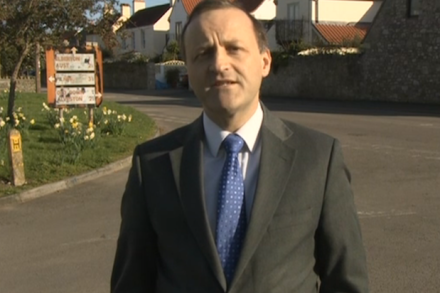
‘This reform is about treating people as adults’ — according to the Pensions Minister Steve Webb. The announcement of a pensions revolution in this week’s budget took everyone by surprise, leading to the question of whether there has been enough consultation on the changes. Webb said on the Sunday Politics today that evidence elsewhere shows the coalition is doing the right thing: ‘We know from around the world - places like America and Australia - where people already have this kind of freedoms. So we already have some things to judge by. We're going to spend the next year talking to people working it through, including a three-month consultation. There is a lot of detail to be worked out.